What Makes a Packaging Bag Eco-Friendly?
Eco-friendly packaging bags are designed to reduce environmental impact through material choice, structure design, recyclability, compostability, or reduced plastic use.
But “eco-friendly” does not mean one single material. A recyclable mono-material pouch, a kraft paper bag with an inner barrier, and a compostable mailer may all serve different product needs. The key is choosing a structure that fits your product, market, packing process, and end-of-life requirement.
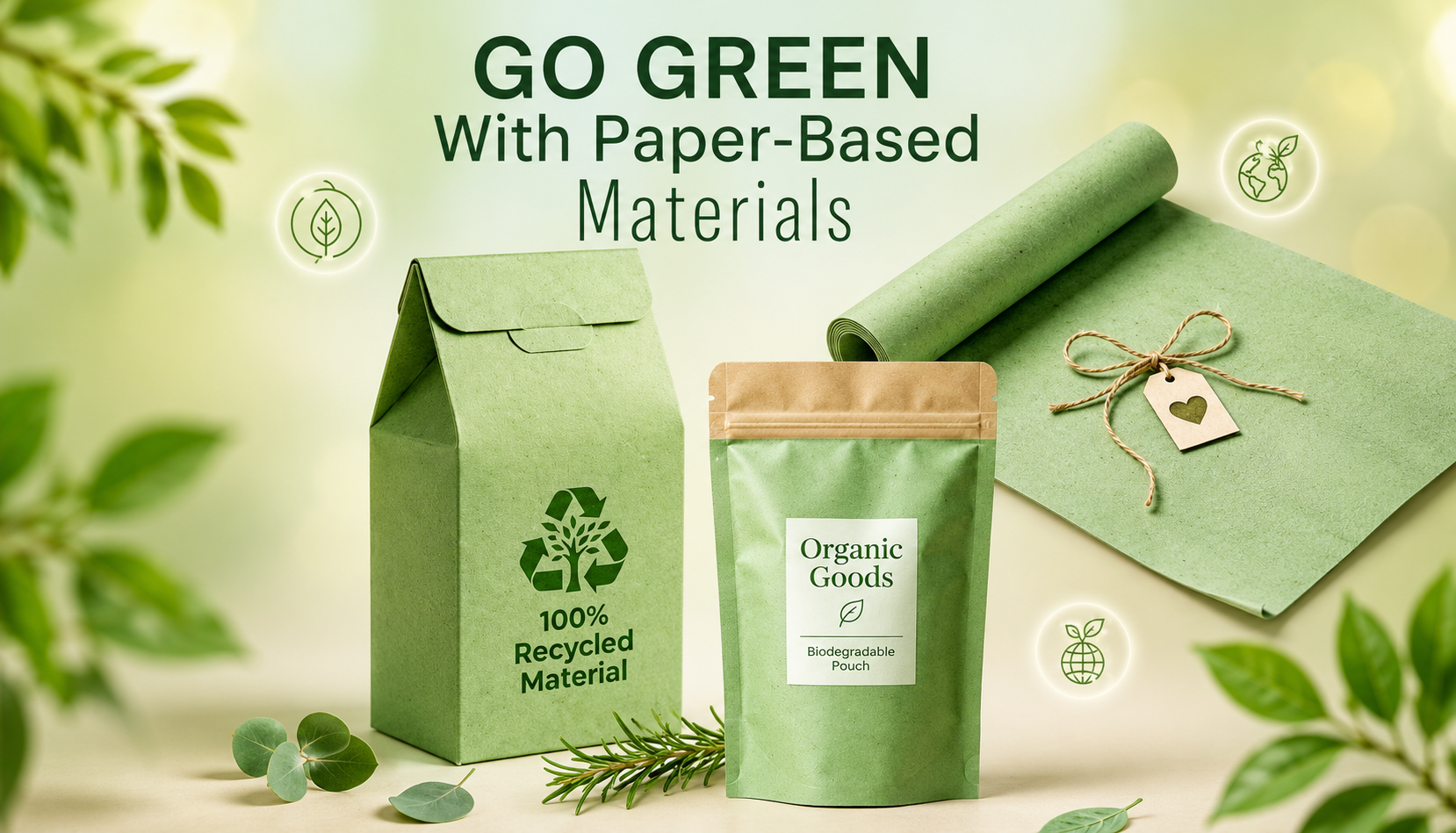
Eco-Friendly Packaging Bags Manufacturer in China
EHAI Packaging has been manufacturing eco-friendly packaging bags for over 20 years, serving 3,000+ customers worldwide and earning a strong reputation for consistent quality and reliable delivery.
We provide flexible, custom solutions — including recyclable, compostable, and biodegradable packaging bags — widely used across food, pet food, household, and industrial applications.
For us, sustainability isn’t a marketing line. It’s built into the way we choose materials, design structures, and run production.
Contact us for a quote or samples — and you’re always welcome to visit our factory.
Eco-Friendly Packaging Bags Options
Eco-friendly packaging bags can effectively reduce the environmental impact of flexible packaging and are gaining increasing acceptance in many markets.
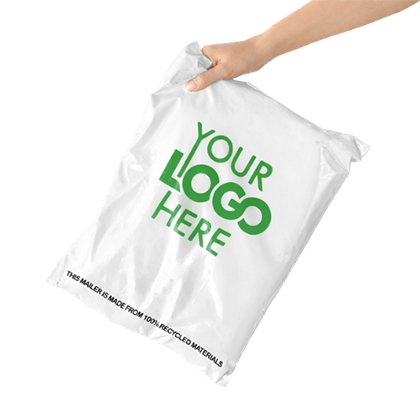 Recyclable Packaging Bags
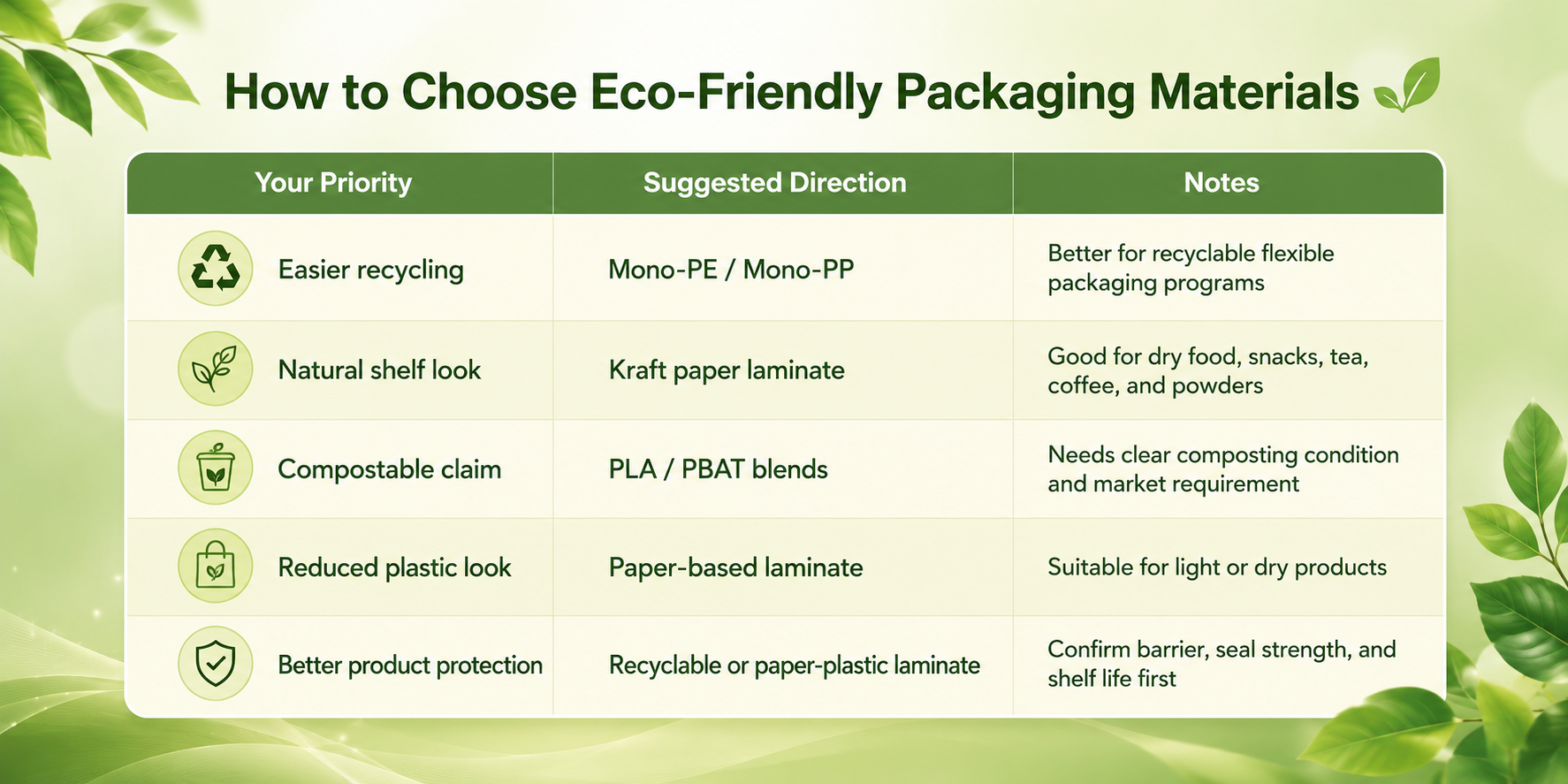
Recyclable packaging bags usually use mono-material structures such as Mono-PE or Mono-PP. They are suitable for brands that want easier recycling while keeping basic strength, sealing, and moisture protection for food, pet food, and daily-use products.
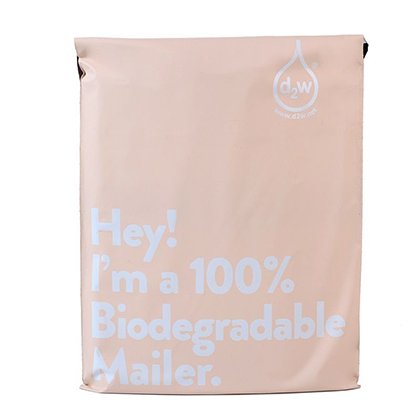 Biodegradable Packaging Bags
Biodegradable packaging bags are used when brands want materials designed to break down under suitable conditions. They are often considered for mailers, light products, and selected dry goods, but product protection and storage conditions should be checked first.
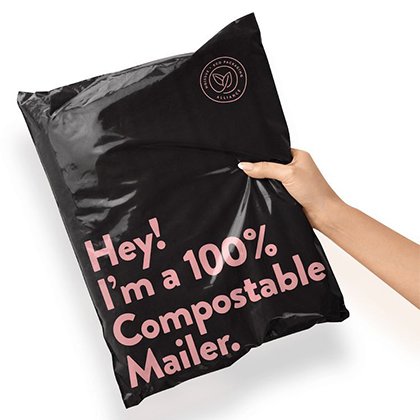 Compostable Packaging Bags
Compostable packaging bags are suitable for brands with a clear composting program or market requirement. They can be made for selected product categories, but compostability claims should match the material certificate, disposal condition, and destination market rules.
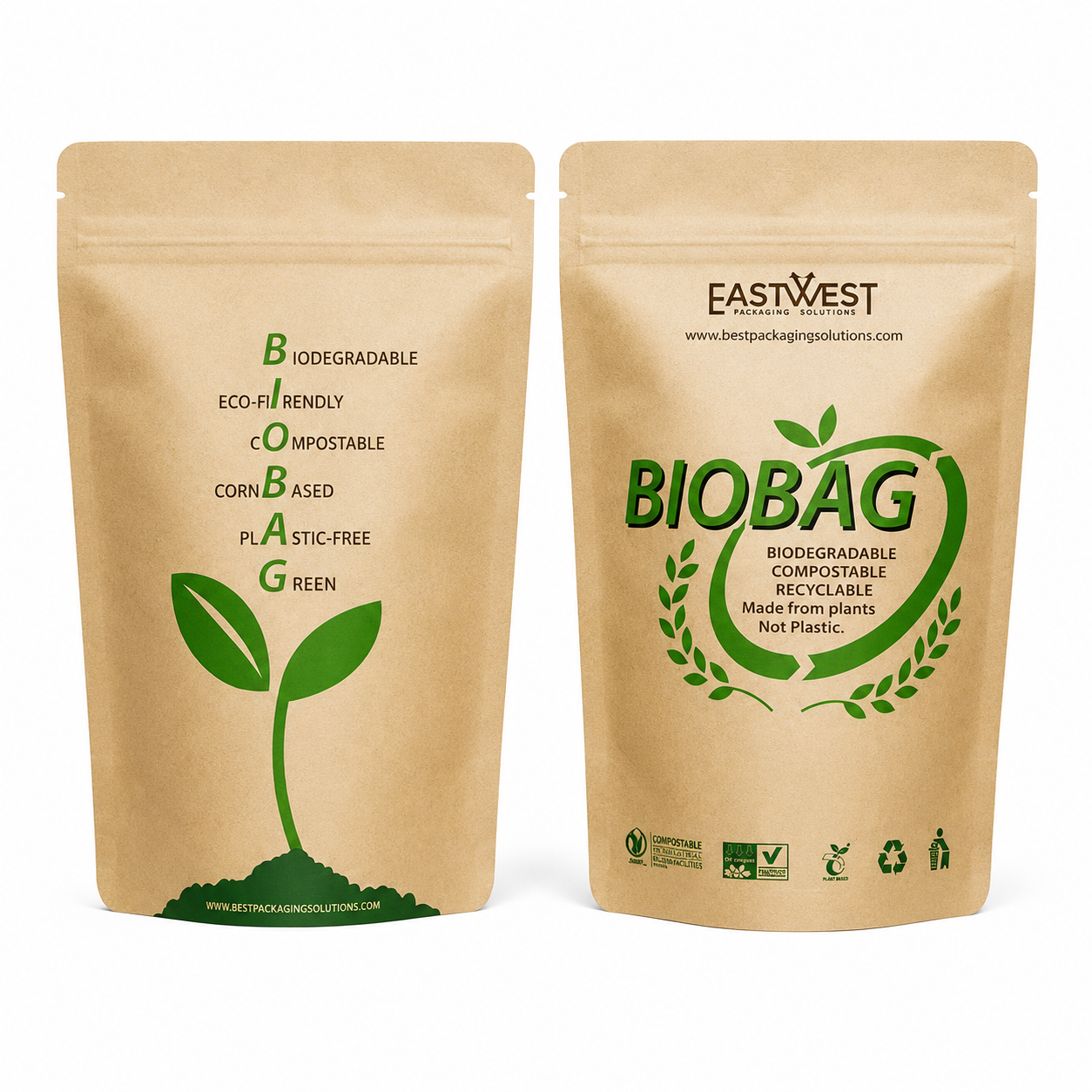 Kraft Paper Eco Packaging Bags
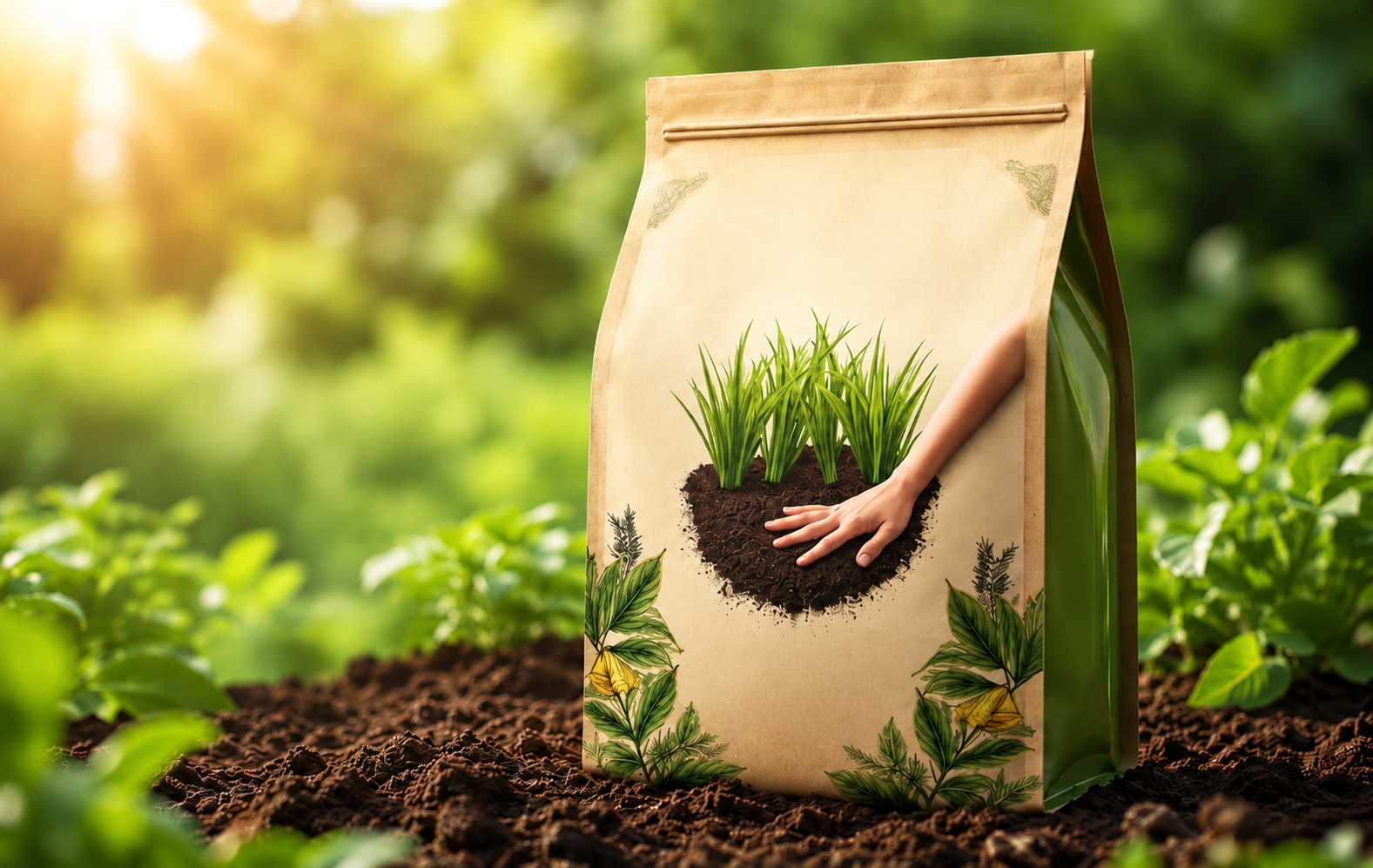
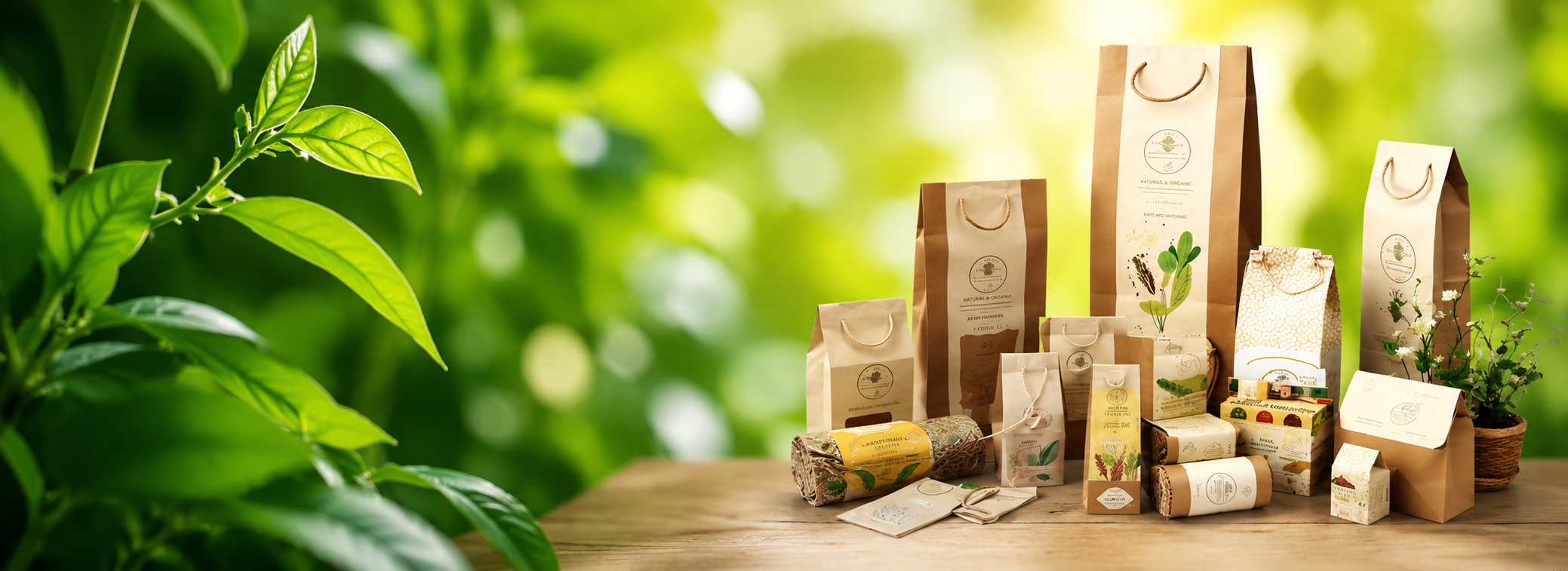
Kraft paper eco packaging bags offer a natural shelf look and lower-plastic appearance. They work well for dry food, coffee, tea, snacks, powders, and retail products that need both brand presentation and a practical inner barrier.
Why Choose Our Eco-Friendly Packaging Bags?

Eco-friendly Packaging Bags go through export-oriented QC, so what you approve in sampling is what you receive in production.

Need steady supply? Our eco-friendly packaging bags are produced at scale to support repeat orders and long-term programs.

Start small and scale up—eco-friendly packaging bags can be customized without locking you into oversized quantities.

Tell us your product and destination market, and we’ll match the right eco-friendly packaging bags —no “green” claims that don’t hold up in use.

Eco-friendly packaging bags are built to run smoothly on packing lines, with structures chosen for handling, sealing, and shipping.

From EU/UK/AU to other regions, eco-friendly packaging bags are supplied with clear specs to speed up approvals and reorders.
Eco-Friendly Packaging That Still Protects Your Product
Eco-friendly packaging is often chosen for its natural, cleaner shelf appearance, but the bag still needs to protect the product properly. A kraft paper look, matte finish, or reduced-plastic design should not come at the cost of weak sealing, poor moisture resistance, or unstable bag shape.
We help balance the eco-style appearance with real packaging performance, so the final bag looks more sustainable while still working for storage, display, and daily use.
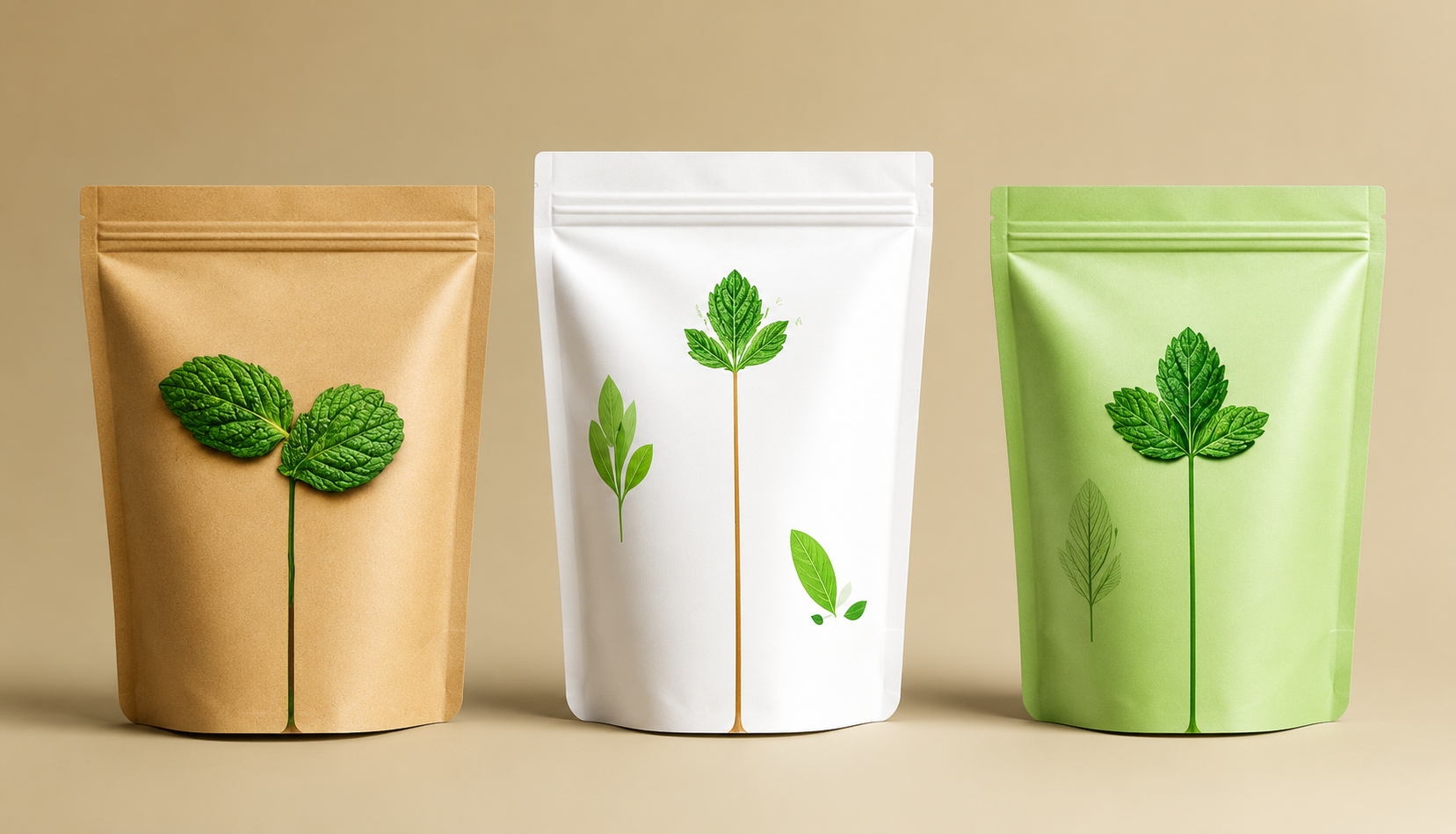
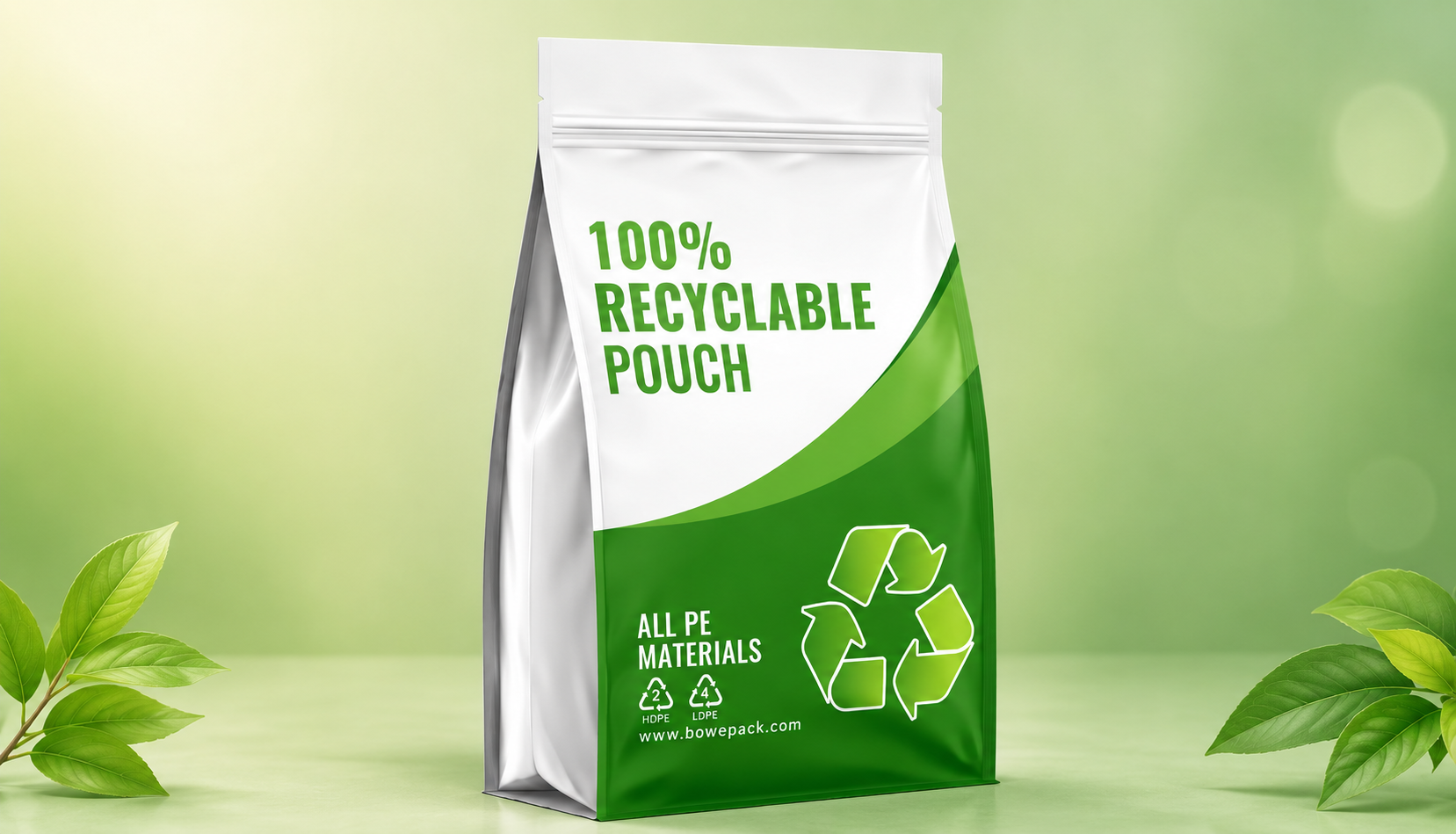
Eco-Friendly Bags That Still Have Clean Printing
Eco-friendly packaging does not mean rough or simple printing only. Logos, product details, barcodes, QR codes, and retail artwork can still be printed clearly on suitable recyclable film, kraft paper, paper-based, or compostable structures.
The key is matching the artwork to the material surface. Kraft paper gives a more natural print effect, while film-based eco structures can support cleaner colors and sharper details. For small text, gradients, or strict brand colors, printed samples are recommended before mass production.
Eco-Friendly Packaging Materials We Can Work With
Different eco-friendly materials solve different problems. We help choose the structure based on product protection, sealing, shelf life, printing, disposal claim, and destination market.
Single-material PE or PP structures are often used for recyclable flexible packaging. They are suitable when you want easier recycling while keeping the bag functional for sealing, printing, moisture protection, and daily handling.
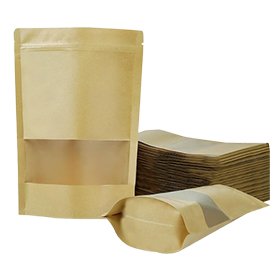
Kraft paper with a thin inner layer gives the package a natural look while keeping basic sealing and product protection. It is often used for dry food, snacks, tea, coffee, powders, and retail products.
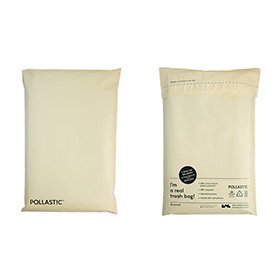
PLA / PBAT blends are commonly used for compostable packaging programs. They are suitable for selected applications where compostable material claims, storage conditions, and end-of-life requirements are clearly defined.
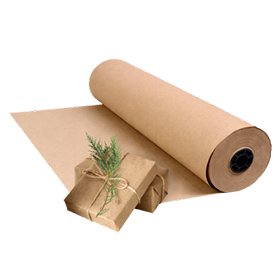
Paper-based laminates help reduce the plastic look and give you a more natural packaging style. They can be used for dry or light products that need a paper feel with basic barrier and sealing support.
Yes, if the right structure is used. Mono-PE / Mono-PP works well for many dry products with basic sealing and moisture needs. Kraft paper laminated with PE gives better stiffness and a natural look. PLA / PBAT is better for light products, but not ideal for heavy, sharp, oily, or long-shelf-life products.
Yes, if the material does not match the product. Mono-PE / Mono-PP and kraft paper laminated with PE work well for many dry products with basic moisture protection needs.
For coffee, nuts, pet food, oily snacks, or long-shelf-life products, an added barrier layer may be needed. Compostable PLA / PBAT bags are usually better for light or short-shelf-life products.
Some are more expensive than standard plastic packaging, but not every eco option is high-cost. Mono-material recyclable structures may be more practical for many products, while compostable or specialty paper structures may cost more depending on material and order quantity.
Recyclable packaging is designed to enter recycling streams where local systems allow it. Compostable packaging is designed to break down under specific composting conditions. They are not the same, so the right choice depends on your product, market, and disposal claim.
Yes. Eco-friendly bags can be printed with brand graphics, product information, barcodes, and retail designs. For kraft or paper-based bags, many brands choose simpler colors to keep a natural look, while film-based recyclable bags can support richer printing.
Yes, but moisture protection depends on the material structure. Kraft paper alone is not enough for most packaged products, so it is usually combined with an inner film layer. For dry food, powders, pet food, and snacks, we help choose a structure that balances a natural look with practical moisture resistance.
Yes, but not every eco material is suitable. Mono-PE / Mono-PP or PE-based recyclable structures are usually more practical for chilled or frozen products.
PLA / PBAT compostable bags and paper-heavy structures may not be ideal for frozen use because low temperature, moisture, and condensation can affect sealing strength, flexibility, and bag durability.
It can. Some recyclable, paper-based, or compostable materials seal differently from standard laminated films. Sealing temperature, pressure, dwell time, and machine speed may need adjustment during testing.