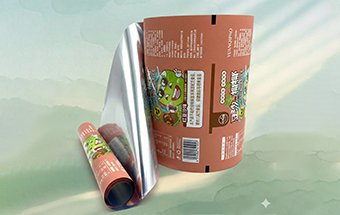

Your Artwork Needs to Work in Production
A design that looks good on screen may still create problems in flexible packaging production.
Artwork can be affected by the bag structure, material, sealing area, zipper position, printing method, and final pouch dimensions. If these details are not checked before plate-making, problems may only appear after the first production run.
Early artwork review helps reduce rework, avoid plate or cylinder changes, and keep the project moving faster.
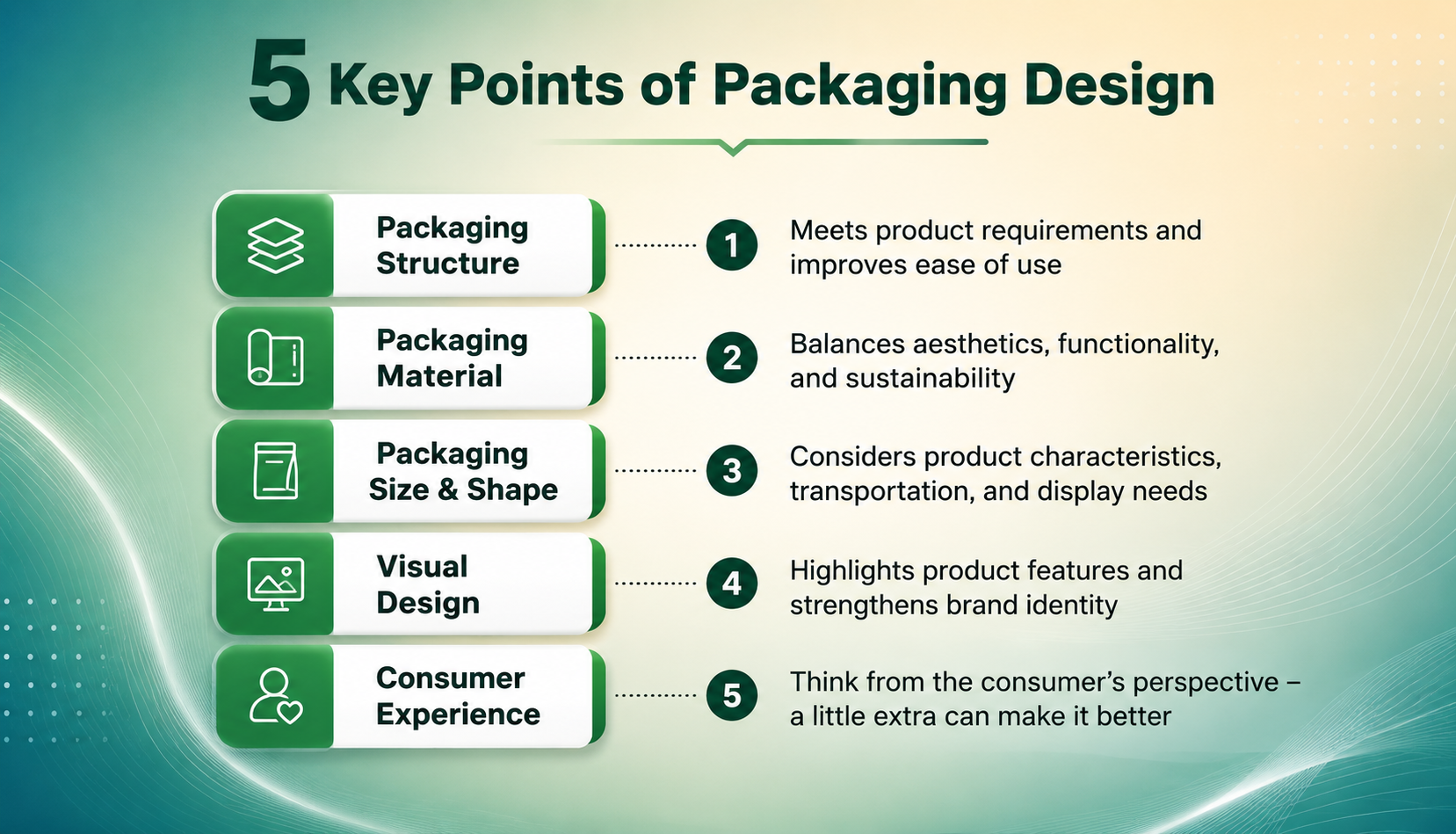
What We Check Before Printing
Our review focuses on production compatibility, not creative direction. We check whether your artwork can be printed, converted, sealed, and finished correctly on the selected bag format.
Common review points include dieline alignment, bleed, safe area, sealing zones, zipper clearance, CMYK colour setup, Pantone references, image resolution, font handling, and compatibility with gravure or flexo printing.
If something may affect production, we mark it clearly before the file moves to plate-making.
What Makes Artwork Production-Ready
A production-ready file is not just a beautiful design. It is a file that matches the actual bag structure, material, printing method, and production requirements.
Correct dieline
Artwork is built on the confirmed bag shape, size, gusset, zipper, and seal layout.
CMYK or Pantone setup
Colours are prepared for printing, not only screen display.
Bleed and safe area
Background extends beyond the cutting line, and text or key elements stay away from trim and seal zones.
Clear sealing zones
No important text, logo, barcode, or pattern is placed where heat sealing or zipper installation will distort it.
Image resolution
Raster images are at least 300 dpi at actual print size.
Outlined or embedded fonts
Text does not change when the file is opened for prepress.
Common Design Details We Help Check

Each bag type has a different panel layout, seal position, gusset, and fold line. Artwork should be built on the confirmed dieline, not a generic template, so the printed design lines up correctly on the finished bag.

Top seals, side seals, bottom seals, and zipper areas are not normal print areas. Text, logos, or key graphics placed there may be hidden, distorted, or affected by heat sealing.

In gravure or flexo printing, each extra colour can add cylinder or plate cost. Heavy ink coverage may also affect drying, registration, and final print stability.

Content placed too close to the edge may be trimmed or shifted during bag making. This matters most for text-heavy artwork, barcodes, QR codes, and fine border designs.

Photos and raster graphics should be at least 300 dpi at actual print size. Low-resolution images may look acceptable on screen but print soft or blurry.
This Support Is Useful When
You are preparing flexible packaging artwork for the first time.
You are changing from one bag type to another, such as stand-up pouch, flat bottom pouch, back seal bag, or spout pouch.
You are transferring artwork from another supplier and need to check whether the dieline and production requirements still match.
You already have a designer, but the designer needs the correct dieline, printable area, colour setup, and production notes.
You have a logo or rough layout and need technical guidance before your designer builds the final file.
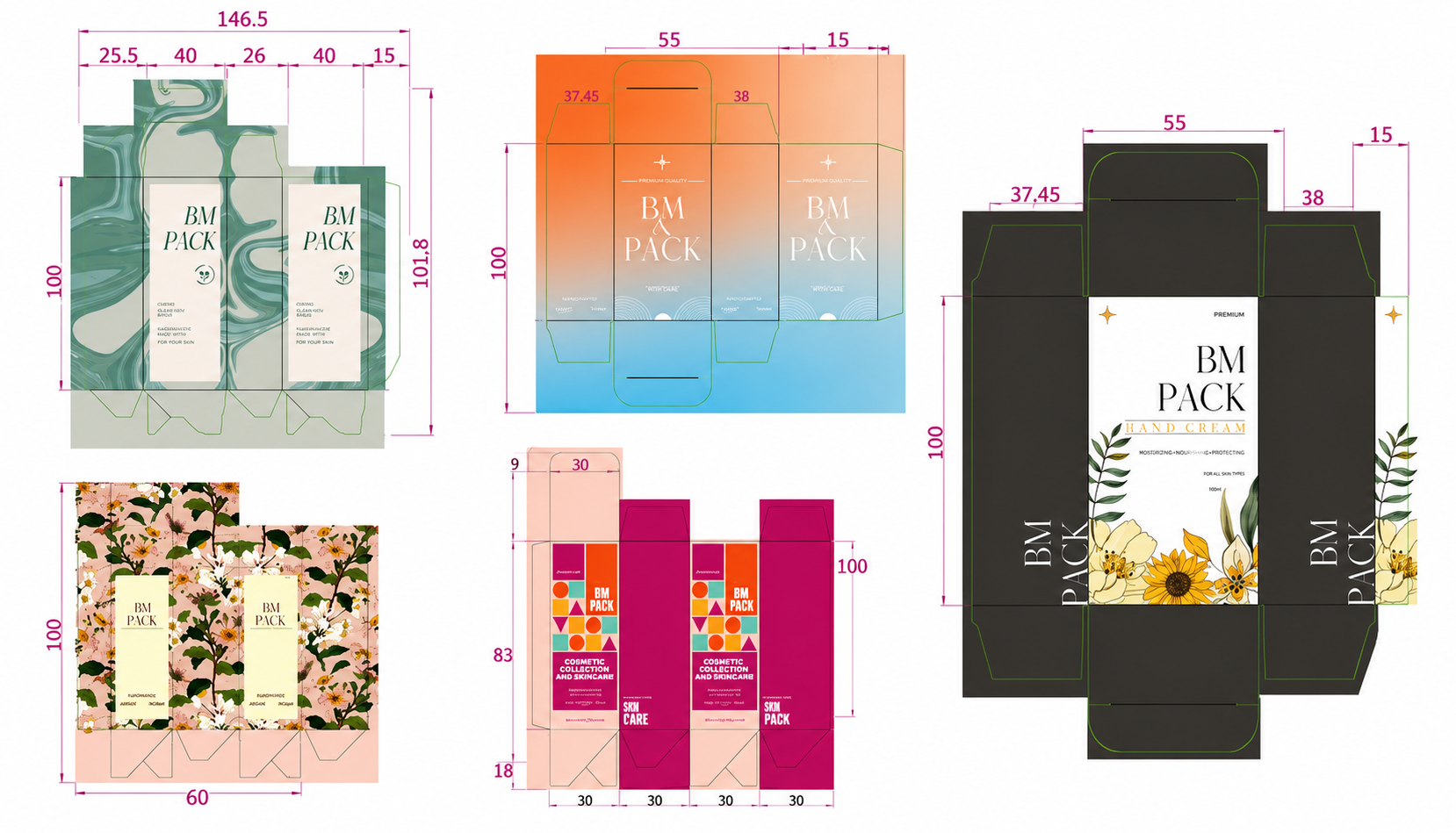
Not in the creative sense. We review artwork for production compatibility, provide dielines and technical briefs, and advise on what needs adjusting before plate-making. We don’t develop brand identity or produce finished artwork from scratch.
Usually, yes. Even experienced designers who are new to flexible packaging often set things up in ways that need adjustment — RGB instead of CMYK, artwork in the sealing zone, wrong template dimensions. The production requirements for flexible packaging are specific enough that a review step is worth doing regardless of who built the file.
PDF is standard. Illustrator files generally work too. Files should be in CMYK, at the correct bag dimensions, with fonts outlined or embedded. If you’re not sure whether your file meets these requirements, send it and we’ll check.
We provide it once the bag type, format, and dimensions are confirmed. Better to have it before the artwork is built — designing on the wrong template creates rework that’s easy to avoid.
We’ll send back specific notes on what needs to change. Most corrections are straightforward. Nothing goes to plate until the file is confirmed and approved.
We can provide the technical brief and dieline so a designer can build from the right starting point. Once a draft exists, we can give feedback on whether the layout will work in production. We don’t create the visual design itself.
Review as part of order preparation is included. If a file needs significant revision to reach a production-ready state, we’ll be direct about what’s required and why. The goal is fewer delays, not more process.
RGB colour mode, artwork in sealing zones, missing bleed, low-resolution images, and layout on the wrong dieline. These come up regularly in first submissions. All are correctable — the key is finding them before production starts.