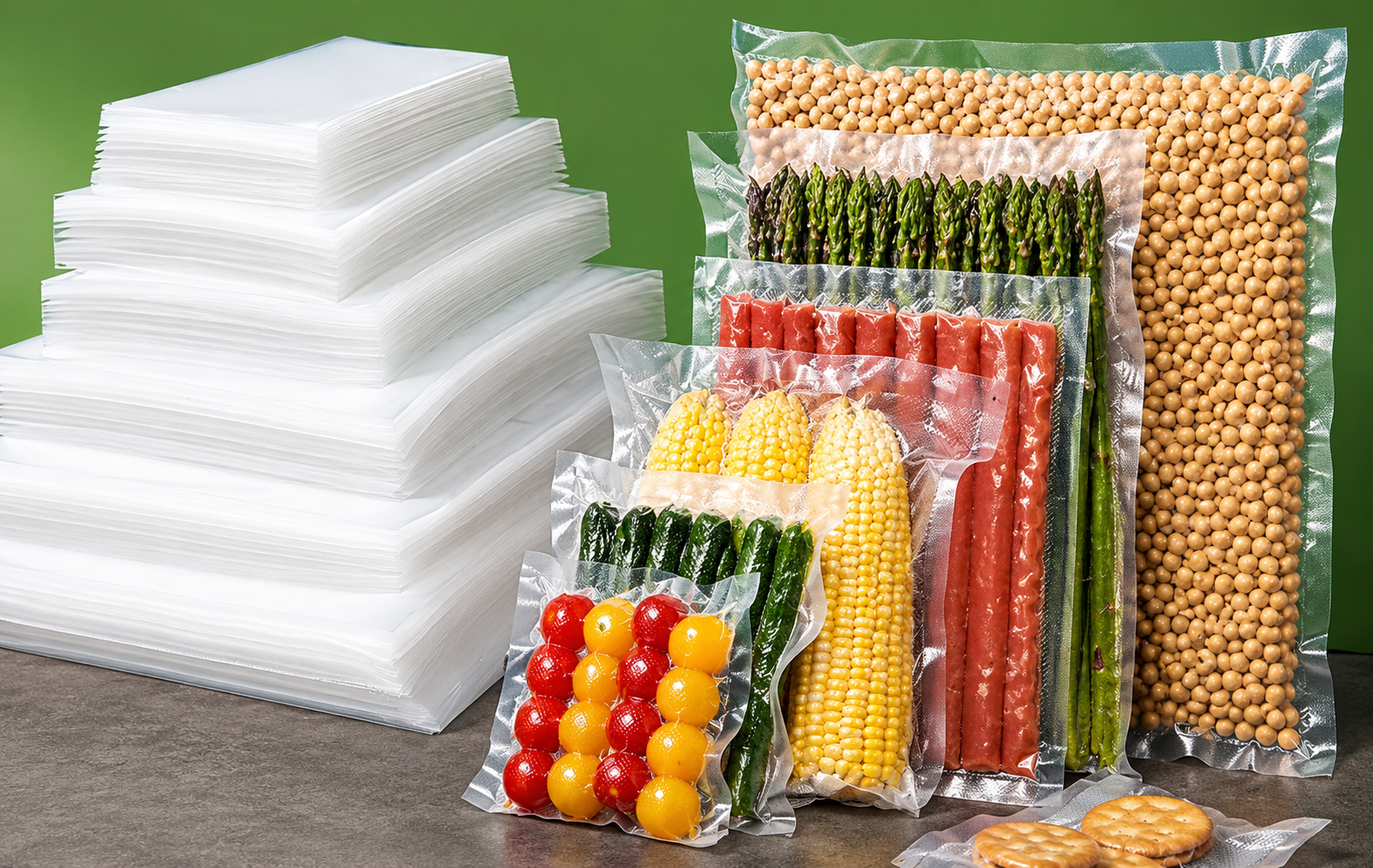
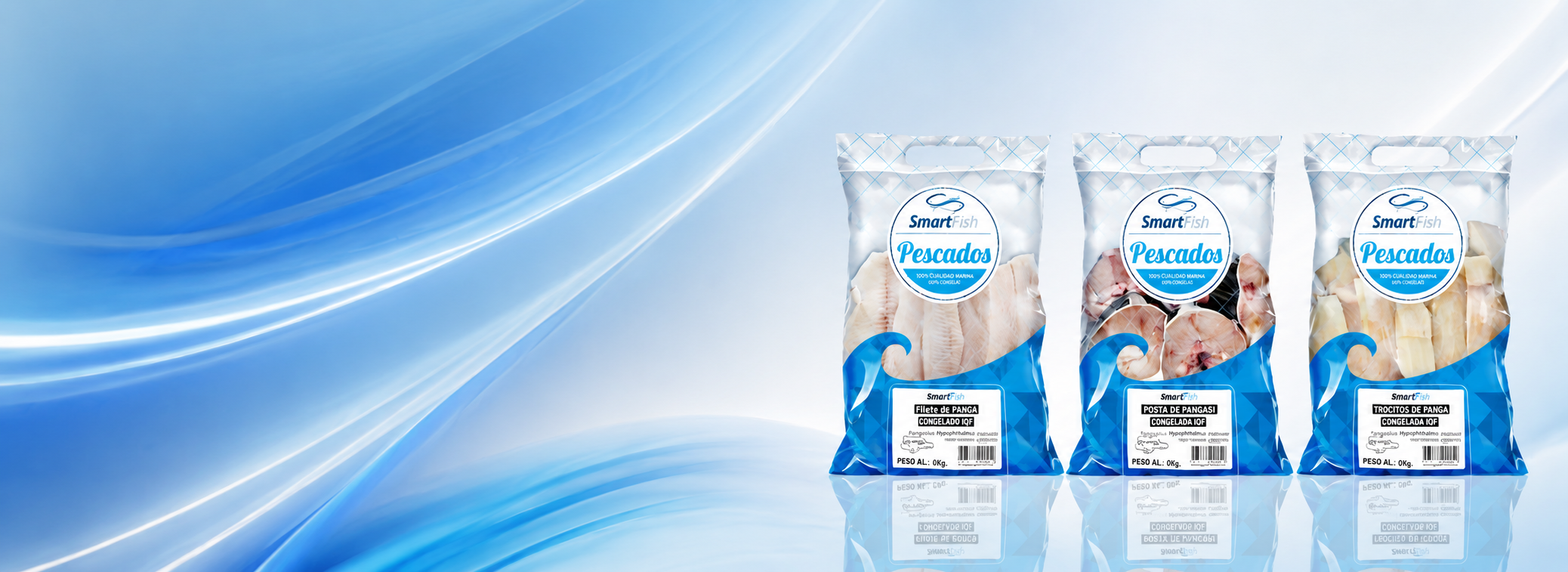
What Is Frozen Food Packaging?
Frozen food packaging is used to protect food during freezing, storage, transport, and retail handling. The bag needs to stay flexible at low temperatures, keep the seal stable, and reduce damage from product edges, ice crystals, carton pressure, and repeated handling.
Compared with normal food packaging, frozen food bags need better low-temperature resistance, sealing strength, and puncture protection. The right structure depends on your product type, storage temperature, filling method, shipping route, and shelf-life target.
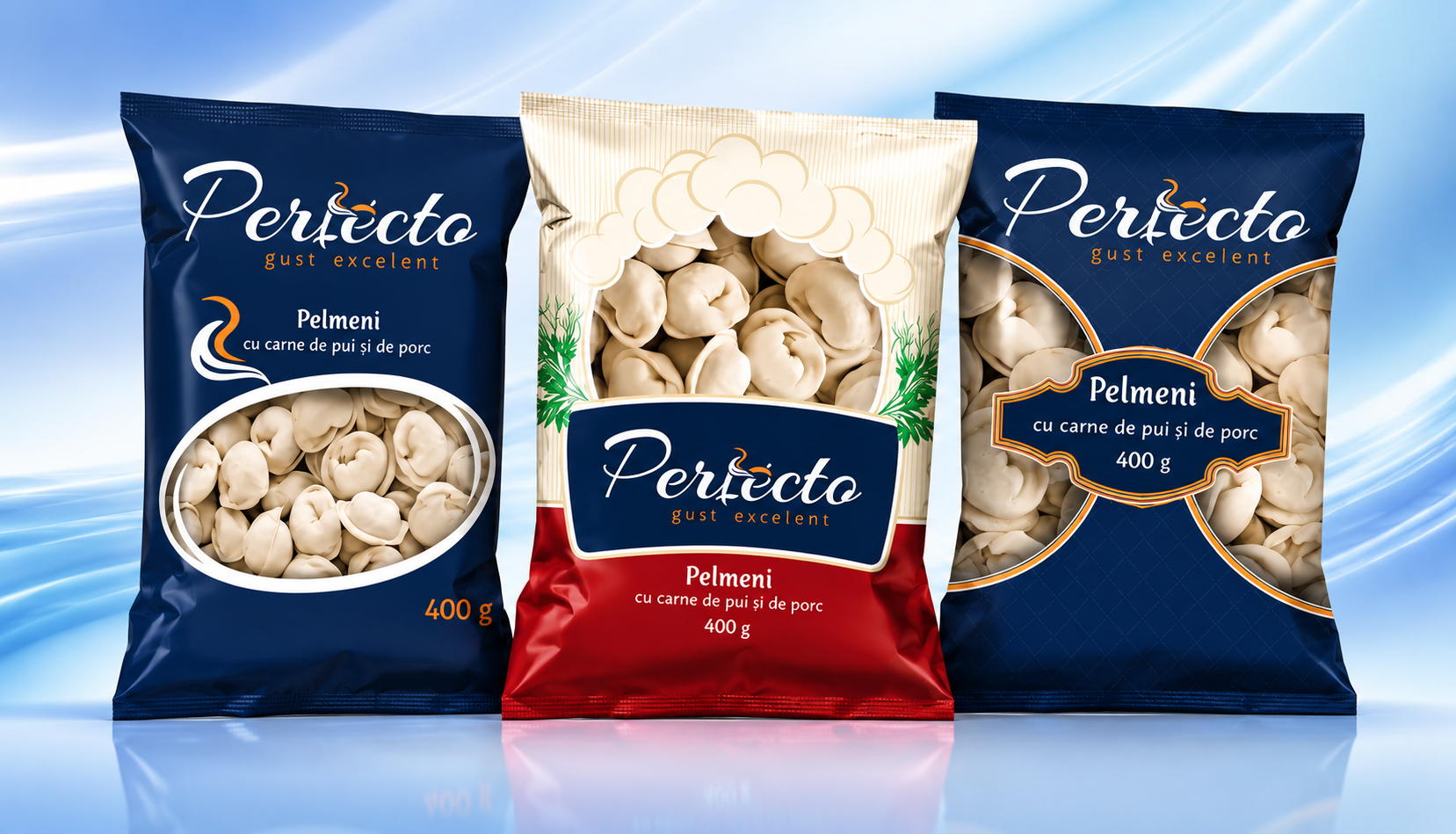
Frozen Food Packaging Made for Real Cold-Chain Use
EHAI Packaging produces frozen food packaging through printing, lamination, slitting, and bag-making processes. For frozen products, we pay attention to low-temperature flexibility, seal strength, puncture resistance, film stiffness, and finished bag quality.
Different frozen foods need different structures. Seafood, bone-in meat, dumplings, vegetables, frozen snacks, and export cold-chain products may require different film thickness, sealing layers, and barrier performance.
Share your product type, storage temperature, bag size, filling weight, packing method, and shipping condition. We can help suggest a practical structure before production.
Frozen Food Packaging by Application
We use our custom frozen food packaging bags for frozen seafood, meat, vegetables, prepared foods, snacks, and shipping cold chain items. Here are the products that most of our customers pack.
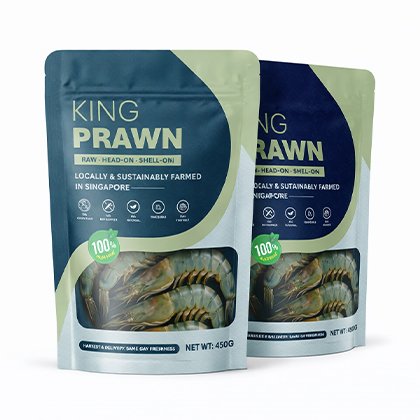 Frozen Seafood Packaging
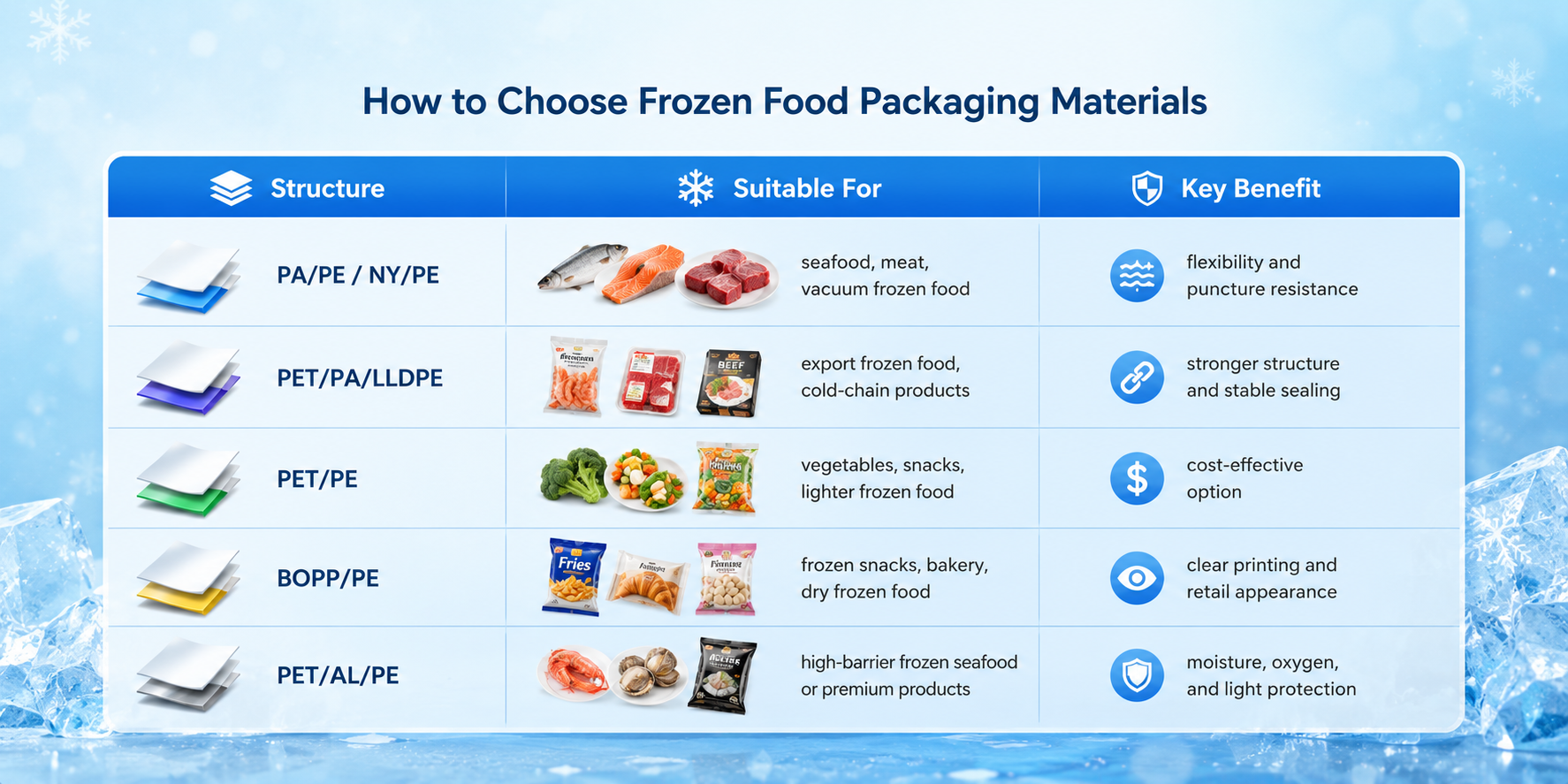
Frozen seafood may include shells, bones, sharp edges, or ice crystals that increase puncture risk. We can recommend stronger PA-based or nylon-added structures for better protection during freezing, packing, and transport.
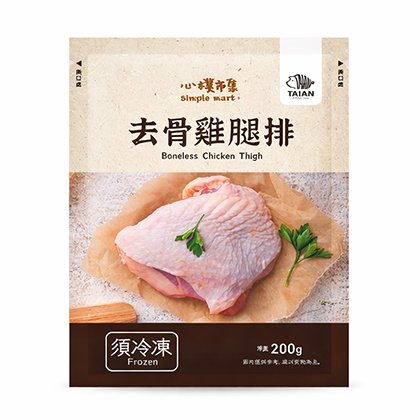 Frozen Meat & Poultry Packaging
Frozen meat and poultry packaging needs strong sealing and good resistance to product edges, bones, and handling pressure. Bag structure and thickness should be selected based on product weight, portion size, and transport method.
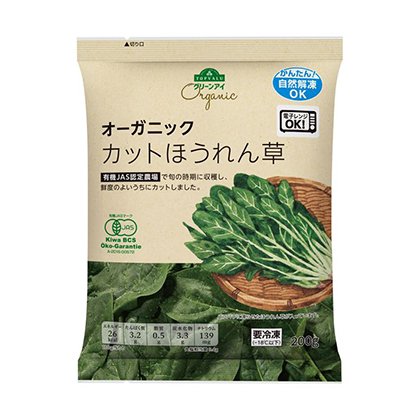 IQF Vegetables & Fruit Packaging
IQF vegetables and frozen fruit usually need stable sealing, good printing, and cost-effective film structures. For high-volume products, we help balance packaging strength, machine performance, and material cost.
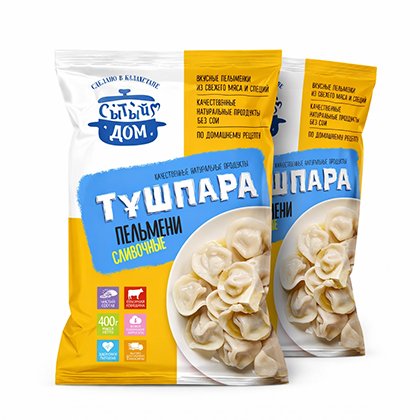 Frozen Ready Meals & Dumplings
Dumplings, spring rolls, rice meals, and prepared frozen foods need bags that can handle freezing, sealing, and daily carton handling. We help match the pouch format, film stiffness, and seal strength based on filling weight and storage condition.
 Frozen Snacks & Bakery
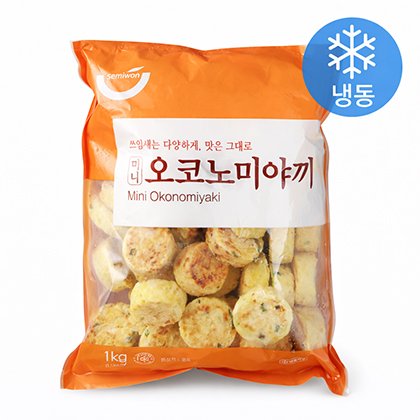
Frozen snacks, pastries, desserts, and bakery products often need clear printing, neat shelf appearance, and reliable sealing after freezing. We can adjust film structure, bag size, and printing style based on retail display and packing speed.
 Cold-Chain Export Packaging
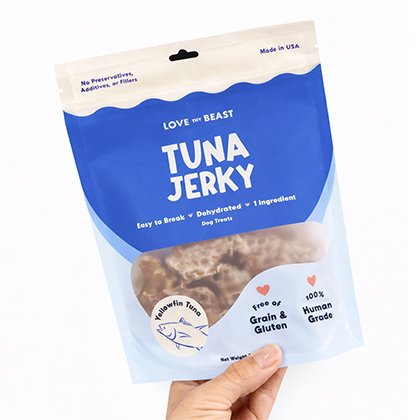
Export frozen food packaging needs stable sealing, puncture resistance, and carton packing performance during long-distance shipping. We help review bag structure, thickness, and barrier needs according to destination market and transport conditions.
Custom Options for Frozen Food Bags
Tell us your product, storage condition, filling weight, and packing method. We can help match the bag format, material structure, size, thickness, and printing for your frozen food project.

PA/PE, NY/PE, PET/PA/LLDPE, PET/PE, BOPP/PE, and foil structures can be selected based on storage temperature, product edges, barrier needs, and shipping condition.

Three-side seal bags, back-seal pillow bags, quad-seal bags, stand-up pouches, vacuum bags, and rollstock film are available for different filling lines and retail formats.

Bag width, length, gusset, and filling space can be adjusted based on product weight, portion size, carton packing, and filling equipment.

Rotogravure and flexo printing are available for frozen food brands. Printing is protected by lamination to support freezer storage and handling.

Film thickness can be adjusted according to product weight, puncture risk, freezing condition, and transport pressure.

Zipper, tear notch, hang hole, rounded corner, euro hole, and valve options can be added based on product use and retail display.
Flexible Enough for Irregular Frozen Products
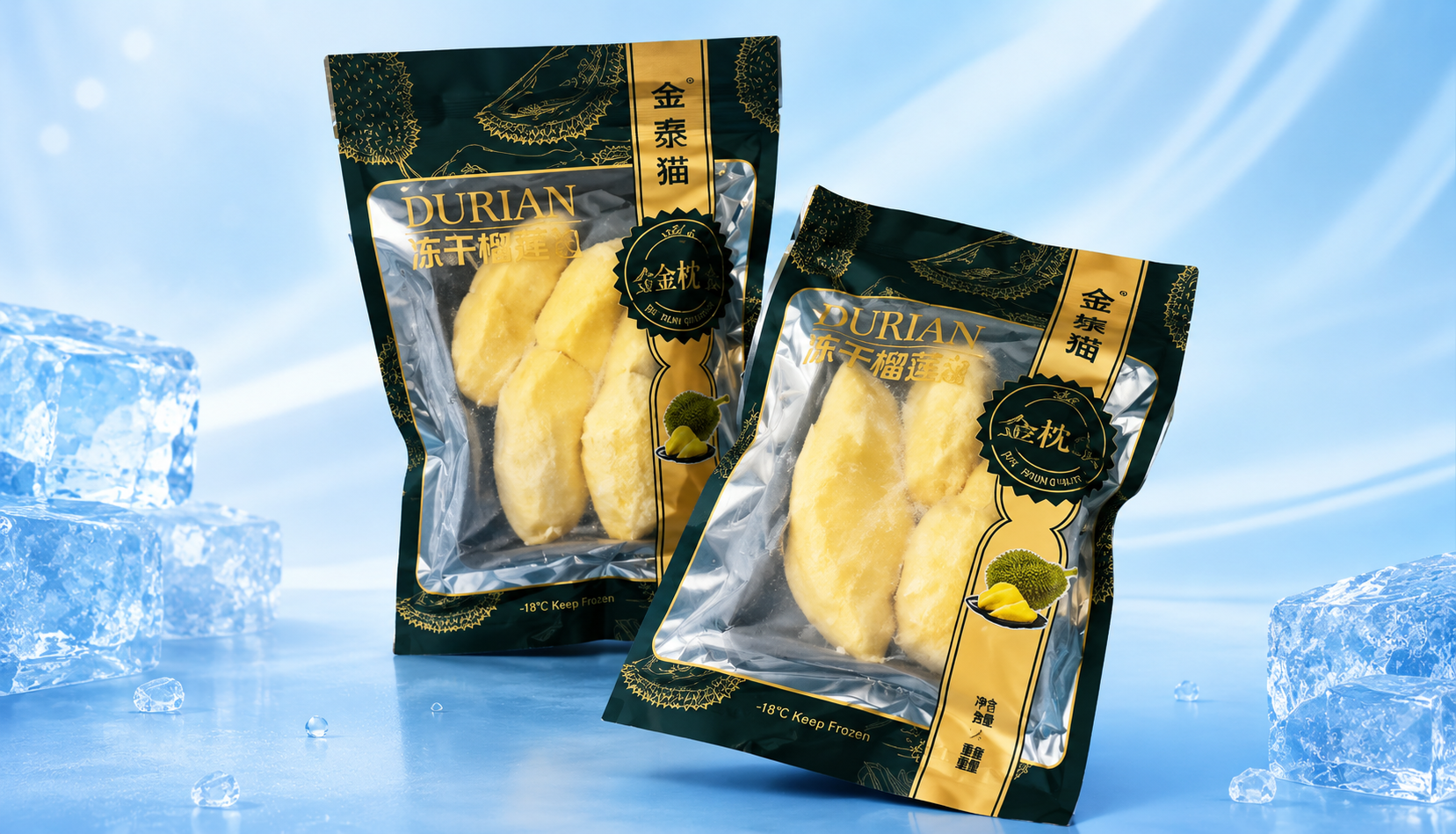
Frozen food is rarely perfectly shaped. Seafood, dumplings, meat cuts, vegetables, and mixed frozen items often have uneven surfaces after freezing. A good frozen food bag should have enough flexibility to wrap around the product without becoming too tight, too stiff, or easy to crease.
We help adjust the bag feel, stiffness, and finished shape, so the pouch can better fit real frozen products instead of only looking good when empty.
Cleaner Opening and Better Pack Feel
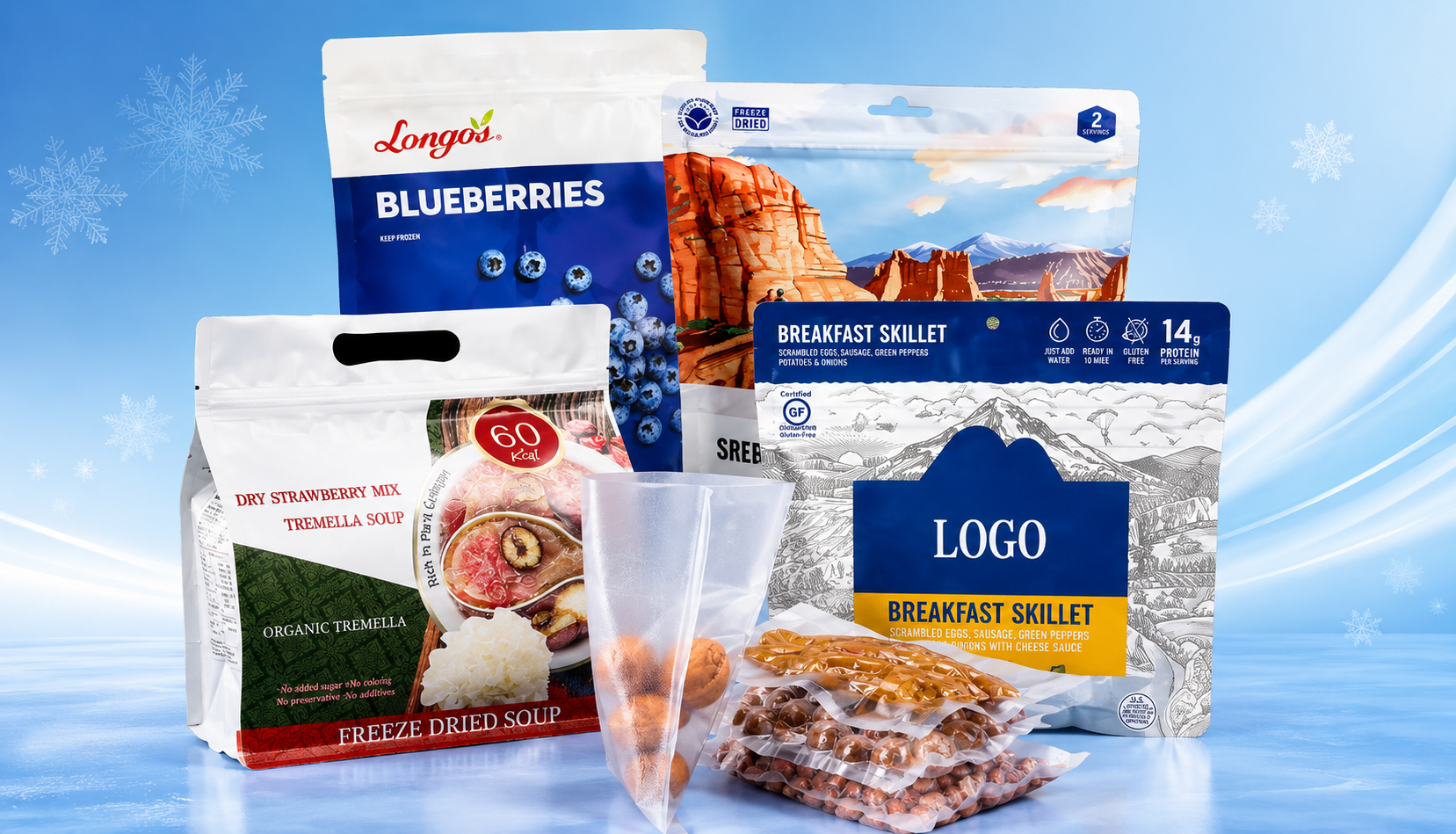
Frozen food bags are often opened when the product is still cold, wet, or slightly frosted. The bag should be easy to hold, easy to tear or cut, and not feel too brittle in the customer’s hand.
We can add tear notches, rounded corners, zipper reseal, matte or gloss finish, and suitable film stiffness to make the finished pack feel cleaner, stronger, and easier to use after freezing.
Frozen Food Packaging Cases We Help Solve
Frozen food packaging problems often appear after freezing, carton packing, storage, or delivery. Through these cases, you can see how we adjust bag design, sealing details, and packaging performance for different frozen products.
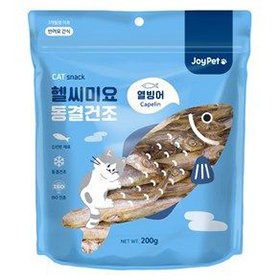
A seafood snack brand needed freezer-safe packaging for small fish products. The old bags were easy to crack around the corners after freezing and carton handling.
We checked the product shape, filling weight, storage condition, and shipping method before adjusting the bag structure and thickness. The final pouch helped reduce corner breakage, air leakage, and poor appearance during cold-chain delivery.
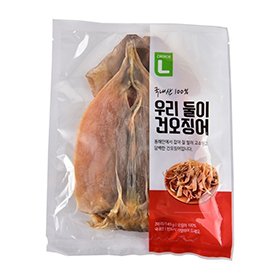
Whole fish, bone-in seafood, and products with fins or hard edges are not suitable for a bag that fits too tightly. After freezing, the hard parts can press against the film and create tiny punctures, especially during carton stacking and delivery.
For this kind of product, we focus on bag fit, edge space, seal position, and corner strength. The goal is to let the pouch protect the product without being stretched too tightly around the bones or frozen edges.
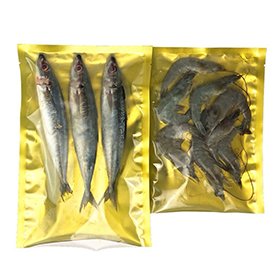
A frozen seafood exporter needed packaging for higher-value fish products shipped through a long cold-chain route. The main concern was not broken bags, but product quality loss after storage — dry surfaces, color change, and weaker appearance after thawing.
For this type of product, we focus on moisture protection, air control, sealing stability, and shelf appearance after frozen storage. The goal is to help the product arrive with better texture, cleaner appearance, and less risk of freezer burn.
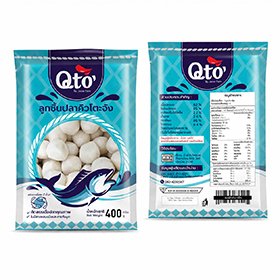
For frozen retail products, the package is handled many times before it reaches the freezer shelf. Moisture, friction, carton packing, and low-temperature storage can make poor printing look dirty or worn.
For this type of project, we place the printing inside the laminated structure instead of leaving it exposed on the surface. This helps the artwork, barcode, nutrition panel, and brand colors stay cleaner and easier to read during freezer storage and retail handling.
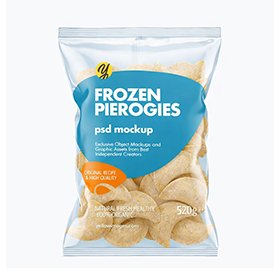
A frozen dumpling buyer first wanted a high-barrier foil bag for cold-chain delivery. After reviewing the product, storage time, filling weight, and sales channel, we found that an over-spec structure was not necessary.
We recommended a more practical freezer bag with stable sealing, clean printing, and enough strength for carton packing, helping the buyer control packaging cost without affecting normal frozen storage.
For products with strong smell, such as seafood, meat, garlic foods, or seasoned frozen meals, the packaging should have suitable sealing and barrier performance. A better structure can help reduce odor transfer during storage, but the product type and shelf-life target should be reviewed first.
Frozen bags may stick together when there is surface moisture, condensation, or too much pressure during storage. The bag surface, finish, filling temperature, and packing method can all affect this. For retail packs, a smoother surface finish and proper drying before carton packing can help reduce sticking.
The finished pack shape depends on product size, filling amount, film stiffness, and freezing method. Irregular products may shift before fully frozen, causing the bag to look loose or uneven. Bag size and format should be matched to the real product shape after freezing.
Cost is mainly affected by material structure, thickness, bag size, printing colors, surface finish, zipper or special features, order quantity, and production method. A stronger structure is not always necessary, so the packaging should match the real product requirement.
Shelf appearance depends on bag format, printing quality, surface finish, product visibility, filled shape, and how the pack stands or lays in the freezer. For retail frozen food, packaging should be designed around both product protection and visual presentation.
Yes. IQF products often need bags that can handle many small pieces moving inside the package. The bag should have enough strength, good sealing, and suitable film stiffness so the product does not damage the pack during handling.