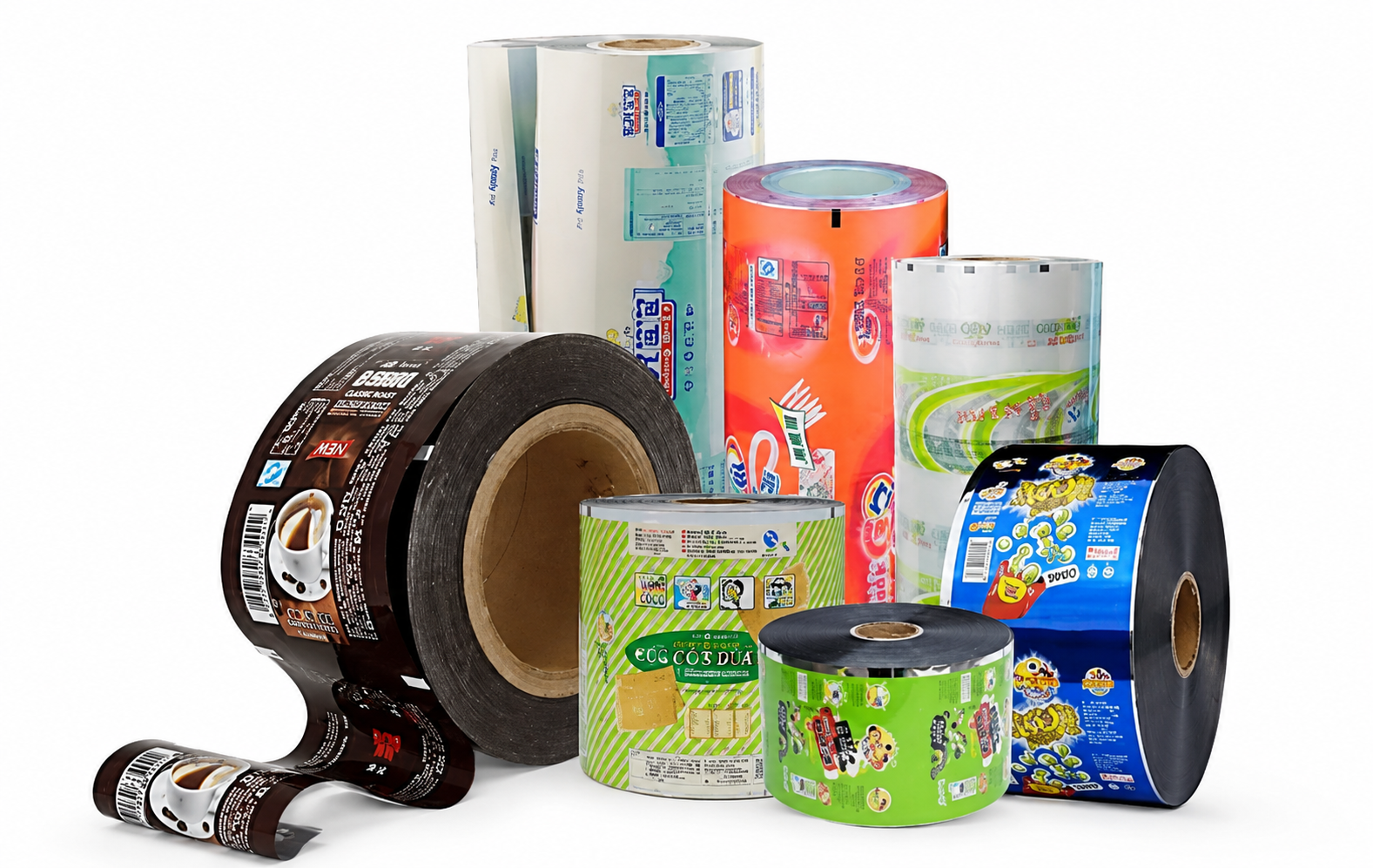

What Are Vacuum Packaging Bags?
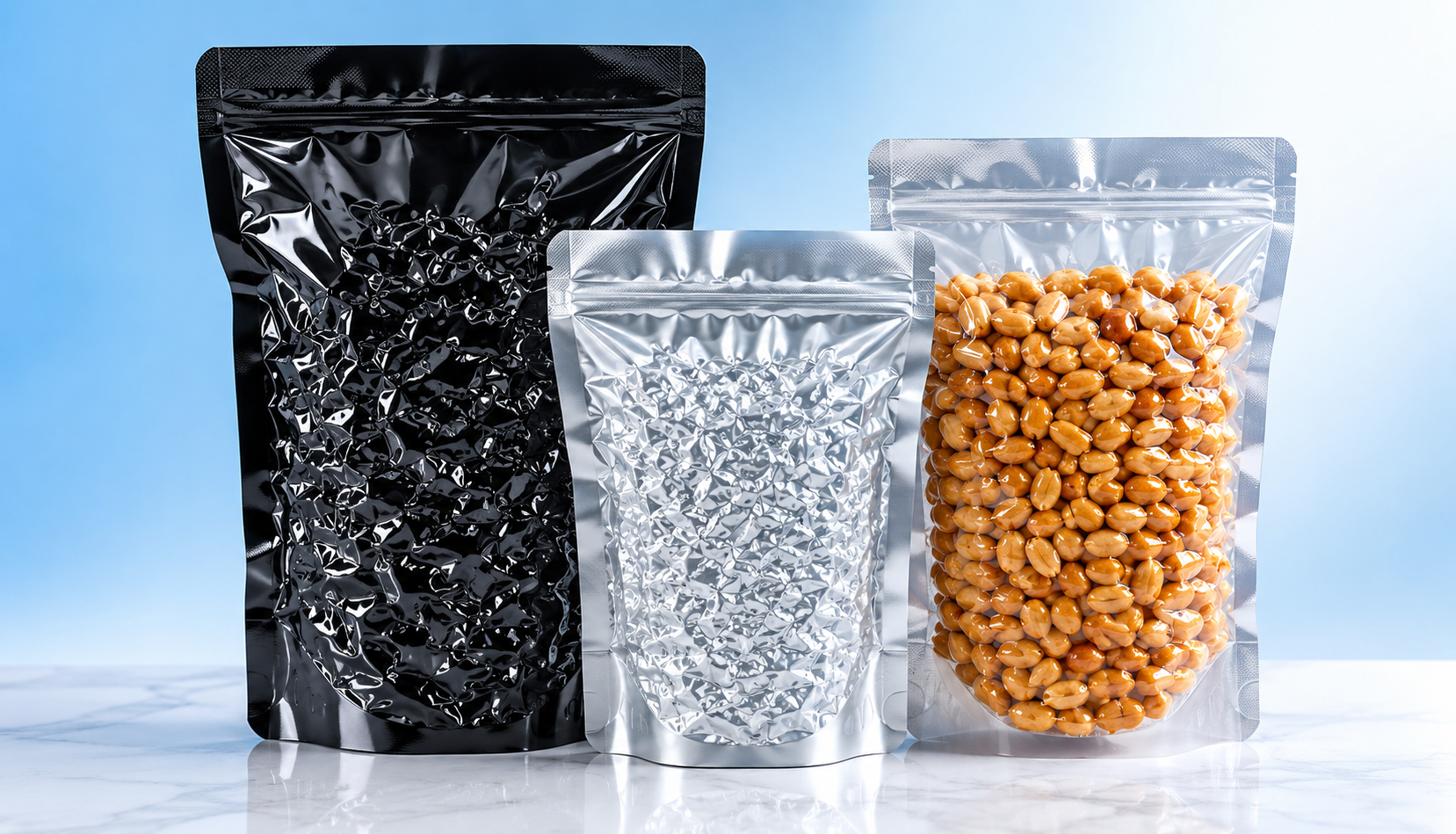
Vacuum packaging bags are flexible bags used with vacuum sealing equipment. After the air is removed, the bag fits more closely around your product, helping reduce contact with oxygen, moisture, dust, and outside contamination.
This type of packaging is often used when freshness, cleanliness, shelf life, and compact storage are important. It is commonly used for meat, seafood, frozen food, cheese, pickled products, medical supplies, electronic components, and industrial parts.
For products that need tighter packing during storage, transport, refrigeration, or freezing, vacuum bags can help keep the package cleaner, flatter, and easier to handle.
Custom Vacuum Packaging Bag Supplier
EHAI Packaging supports vacuum bag production through printing, lamination, slitting, and bag-making lines. Dry lamination and solvent-free lamination are available for different PA/PE, PET/PE, and multilayer film structures.
We control key production details such as film thickness, lamination strength, sealing temperature, cutting accuracy, and bag size tolerance. Finished bags are checked for appearance, size, seal strength, edge quality, puncture resistance, and packing condition before shipment.
Vacuum Packaging Bags by Applications
Once sealed under vacuum, the package becomes more compact and more protective, which makes vacuum packaging bags useful for many different types of products.
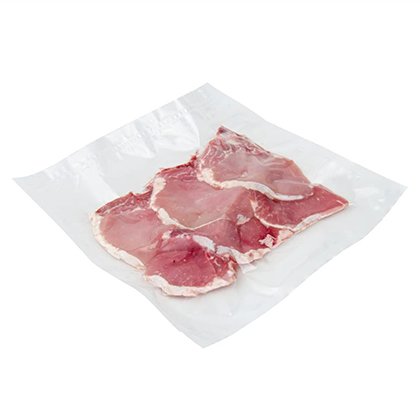 Fresh Meat Vacuum Packaging Bag
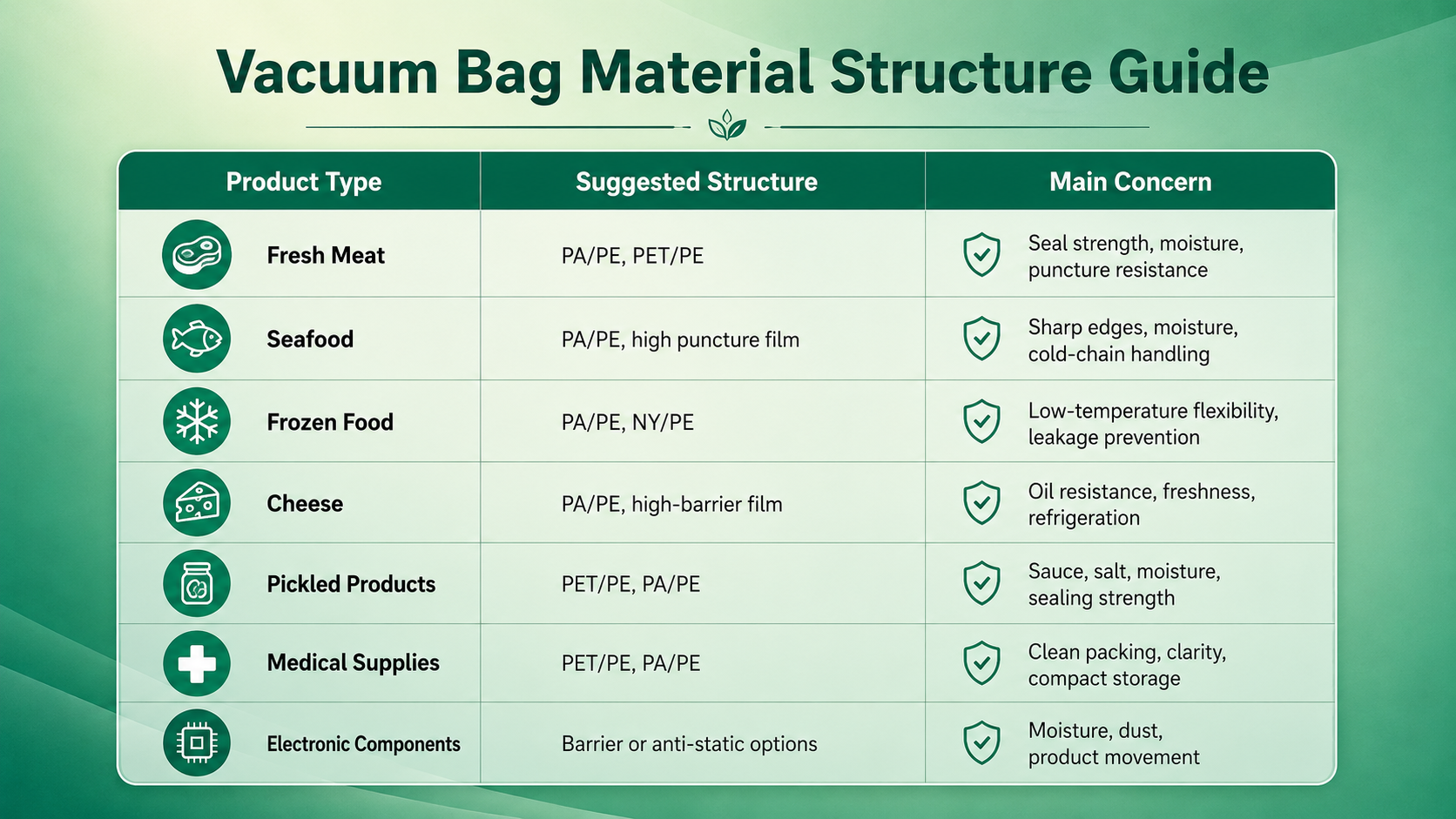
Vacuum bags help fresh meat fit tightly inside the pack, reducing air contact and liquid leakage during storage and transport. A suitable thickness and seal strength are important for safer handling.
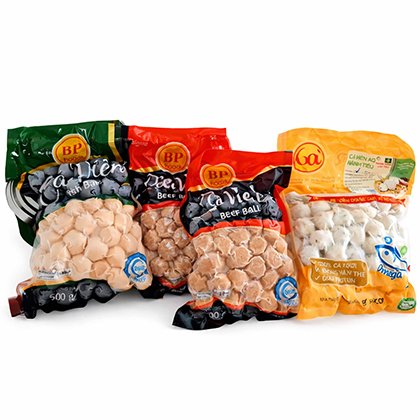 Frozen Food Vacuum Packaging Bag
For frozen food, vacuum bags need to stay flexible and sealed under low-temperature storage. Strong materials help reduce cracking, leakage, and package damage during freezing and shipping.
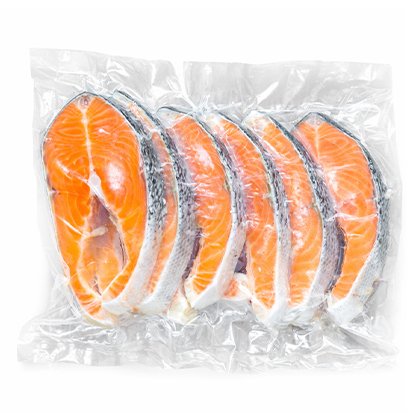 Seafood Vacuum Packaging Bag
Seafood packaging often needs stronger sealing and better puncture resistance because of moisture, sharp edges, and cold-chain handling. Vacuum bags help keep the product packed tighter and cleaner.
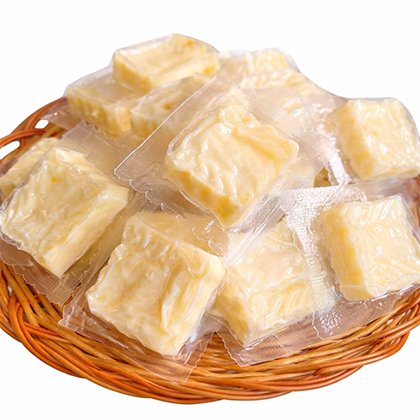 Cheese Vacuum Packaging Bag
Cheese vacuum bags need reliable sealing and good product contact to help maintain a compact pack. Material structure can be adjusted based on oil content, storage time, and refrigeration needs.
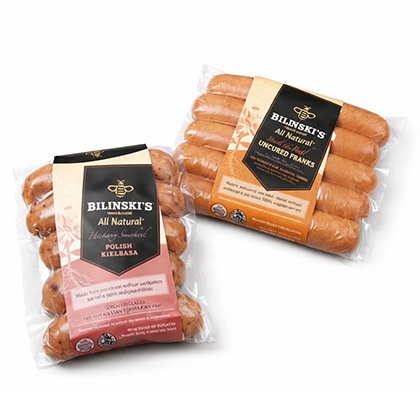 Pickled Products Vacuum Packaging Bag
Pickled products may contain oil, sauce, salt, or moisture, so the bag needs good sealing strength and suitable inner material. We can help choose a structure for tighter and cleaner packing.
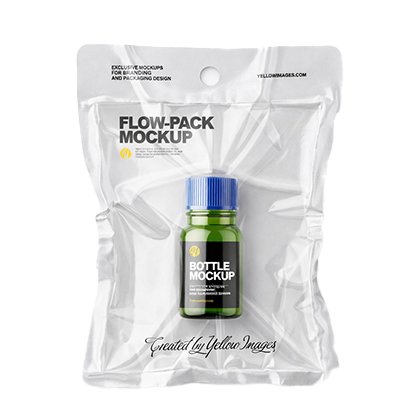 Medical Supplies Vacuum Packaging Bag
For medical or hygiene-related products, vacuum bags can help keep items packed cleanly and compactly. Bag structure, transparency, thickness, and sealing strength can be customized according to storage needs.
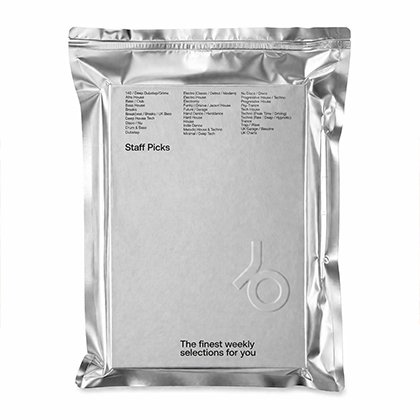 Electronic Components Vacuum Packaging Bag
Vacuum bags can help reduce dust, moisture exposure, and loose movement during storage and transport. For sensitive parts, material structure and barrier performance should be selected carefully.
Vacuum Packaging Bag Customization
Different products have varying requirements when it comes to the customization of vacuum packaging bags.

Your vacuum bag size should match the product shape, filling volume, and vacuum space. We help adjust width, length, and sealing area so the bag fits better after air removal.

Different products need different vacuum bag materials. PA/PE, PET/PE, and multilayer structures can be selected based on puncture resistance, flexibility, transparency, barrier needs, and storage conditions.

Thicker is not always better. We help choose a suitable thickness based on product weight, sharp edges, frozen storage, transport pressure, and the required vacuum packing strength.

Vacuum bags can be supplied plain, partially printed, or fully printed. Custom printing supports logos, product information, barcodes, cooking instructions, storage labels, and retail branding.

Seal strength is critical for vacuum packaging. We can adjust sealing width, bag edge design, and material structure to help reduce leakage risk during vacuum packing, storage, and transport.

Vacuum bags can be made clear, matte, glossy, or printed depending on your product display and branding needs. Transparent bags are commonly used when product visibility is important.
Reduces Packaging Volume
Vacuum packaging removes excess air, allowing the packaging to conform tightly to the product. Compared to loose packaging, the finished packs take up less space in shipping cartons, which improves loading efficiency and lowers warehousing and transportation costs.
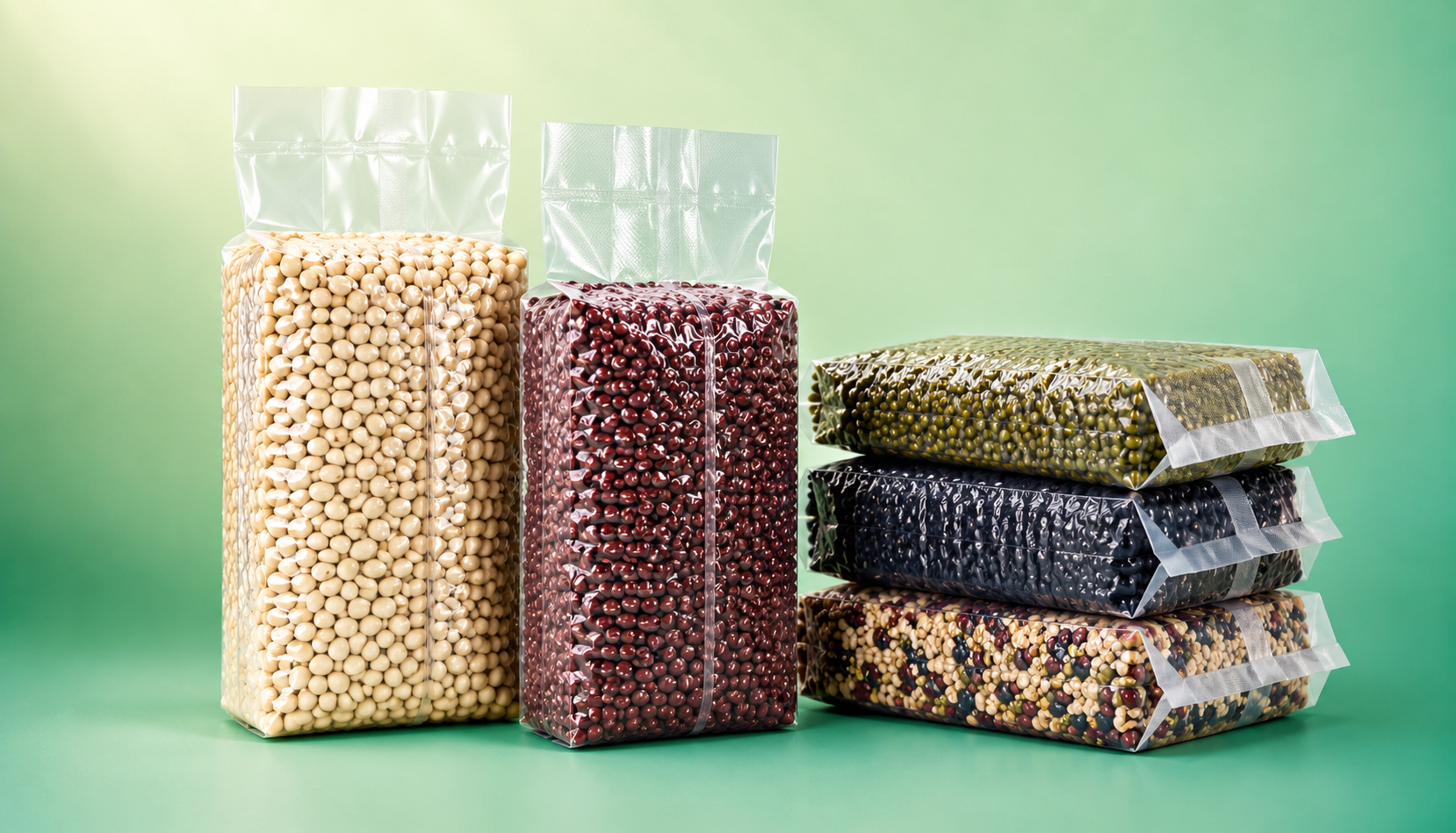
Helps Extend Shelf Life
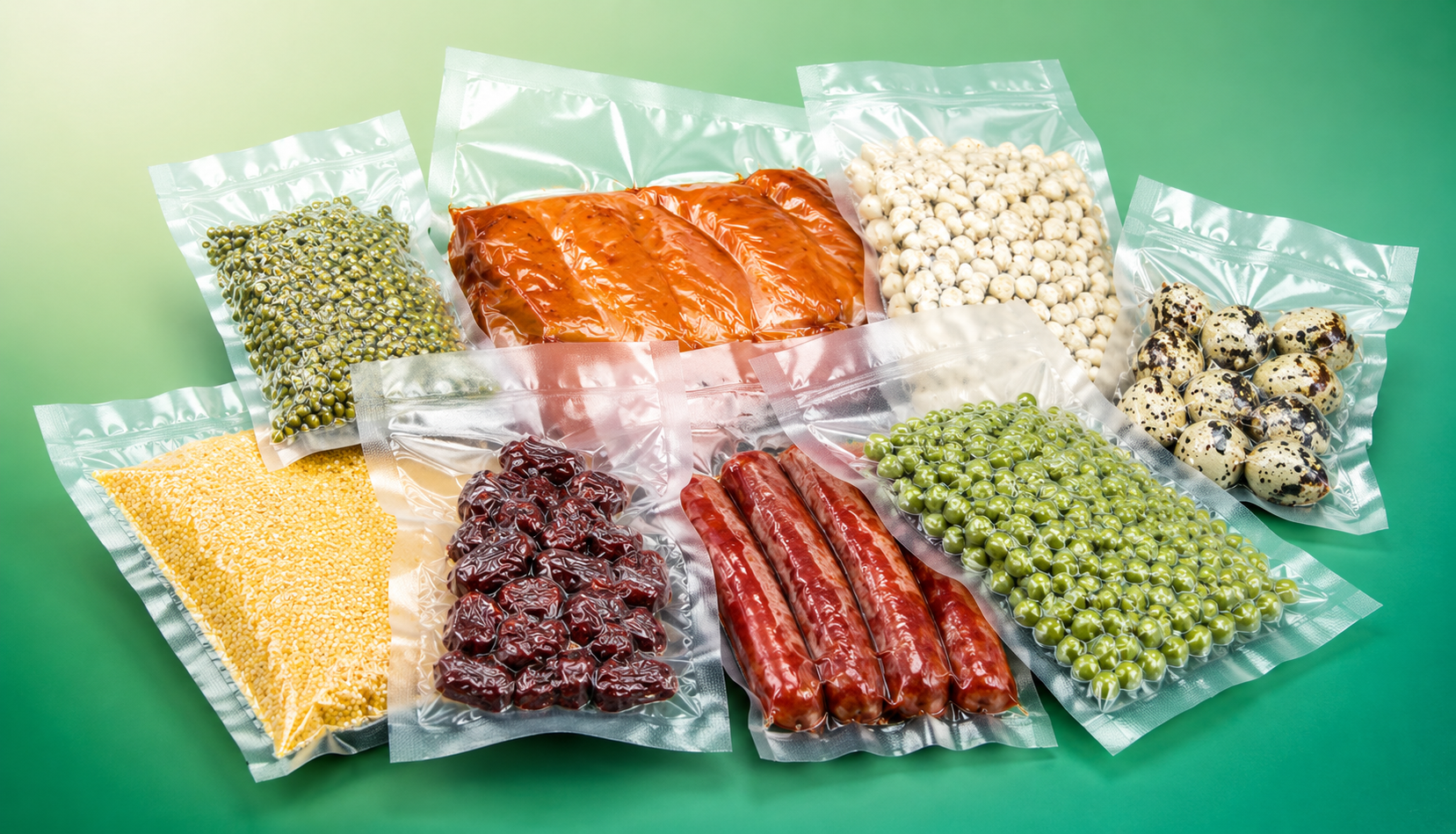
Vacuum packaging helps reduce the air left inside the pack, which can slow down oxidation and freshness loss for many food products. For products such as meat, seafood, cheese, and prepared food, a suitable vacuum bag structure can support longer storage and better cold-chain handling.
How We Improve Vacuum Bags for Different Products
A vacuum bag problem is often not only about size or thickness. We look at the product, storage condition, packing process, and current packaging issue, then help adjust the bag structure, sealing layer, and finished pack performance.
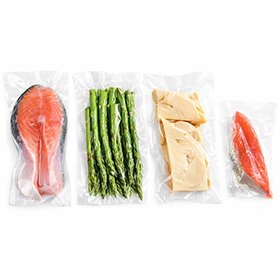
A frozen food buyer had problems with vacuum loss during long-term frozen storage, which caused returns and waste. We adjusted the film structure and sealing performance for low-temperature use, helping the bags stay flexible, seal more reliably, and reduce air leakage during storage and transport.
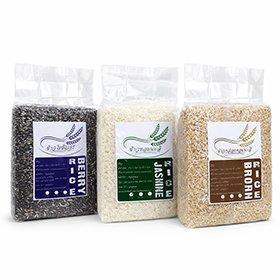
A Canadian seed supplier needed vacuum bags for cleaner storage, moisture protection, and long-distance shipping. We helped adjust the bag size and material structure, making the finished packs tighter, easier to stack in cartons, and more convenient for warehouse handling.
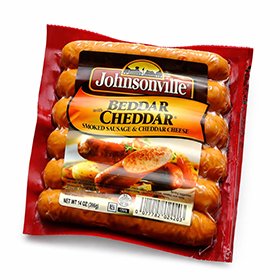
An Australian cooked food buyer needed vacuum bags for products with moisture and oil. Their main concern was leakage during chilled storage and delivery. We helped review the material, bag size, and sealing area, so the final bags performed more reliably during packing and transport.

A European buyer needed vacuum bags with stronger moisture, light, and oxygen protection for longer storage. We suggested an aluminum foil structure and adjusted the sealing layer for their packing process.
The finished bags packed tightly, offered better barrier protection, and were more suitable for export shipping and warehouse storage.
Leakage may come from weak sealing temperature, oil or powder on the seal area, unsuitable material, sharp product edges, or insufficient seal width. Testing with your actual product and machine is important before bulk orders.
Yes, but the material needs to be stronger. For products with bones, shells, hard corners, or sharp edges, we may recommend thicker film, higher puncture resistance, or an additional protective layer.
Yes, but the sealing area must stay clean during packing. Products with sauce, oil, or liquid may need stronger sealing material, better bag thickness, and a packing process that avoids contamination near the seal.
Standard vacuum bags are not always suitable for retort. If your product needs high-temperature sterilization, please tell us the temperature and time, so we can check whether a retort-grade material structure is required.
Some wrinkles are normal after air removal, but excessive wrinkles may come from oversized bags, unsuitable film stiffness, uneven product shape, or too much empty space. A better size and material choice can improve the final look.
Most standard vacuum bags are designed for one-time vacuum sealing, not repeated resealing. If your product needs repeated opening and closing, we can discuss zipper vacuum bags or another pouch structure that better fits your use case.