Heavy Duty Bag Manufacturer in China
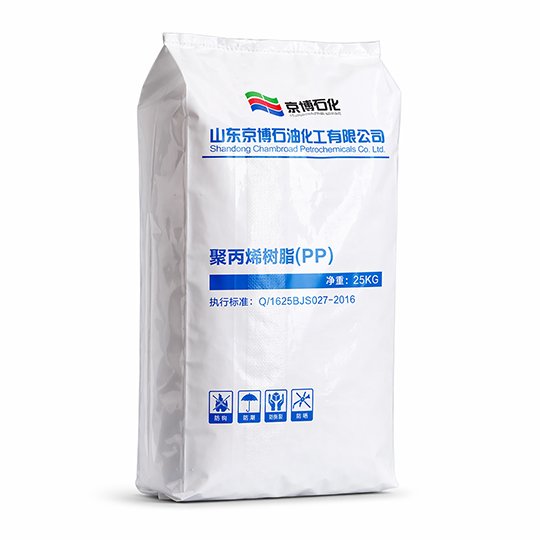
EHAI Packaging produces custom heavy duty bags for industrial and bulk packaging applications. Whether you pack resin, powder, feed, fertilizer, grain, or building materials, we can match the bag structure, gauge, size, sealing style, and printing through our in-house printing, lamination, slitting, and bag-making process.
- Est. 2002 · Over 20 Years in Industrial Flexible Packaging
- Custom Structures for Moisture, Dust, Puncture, and Stacking Needs
- Bag Size and Stiffness Matched to Filling Line Requirements
- ISO 9001 · ISO 14001 · ISO 22000 Certified
What Are Heavy Duty Bags?
Compared with standard packaging bags, heavy duty bags are made to handle heavier fill weights, rougher handling conditions, and more demanding storage and shipping environments. The right structure should match your actual product — including particle shape, density, dust level, filling method, and stacking requirements.
In practice, a heavy duty bag is not defined by thickness alone. If you want the bag to run smoothly from filling to transport to final use, it needs the right balance of material structure, seal strength, dimensional stability, and machine compatibility.
Not Sure Which Heavy Duty Bag Fits Your Product?
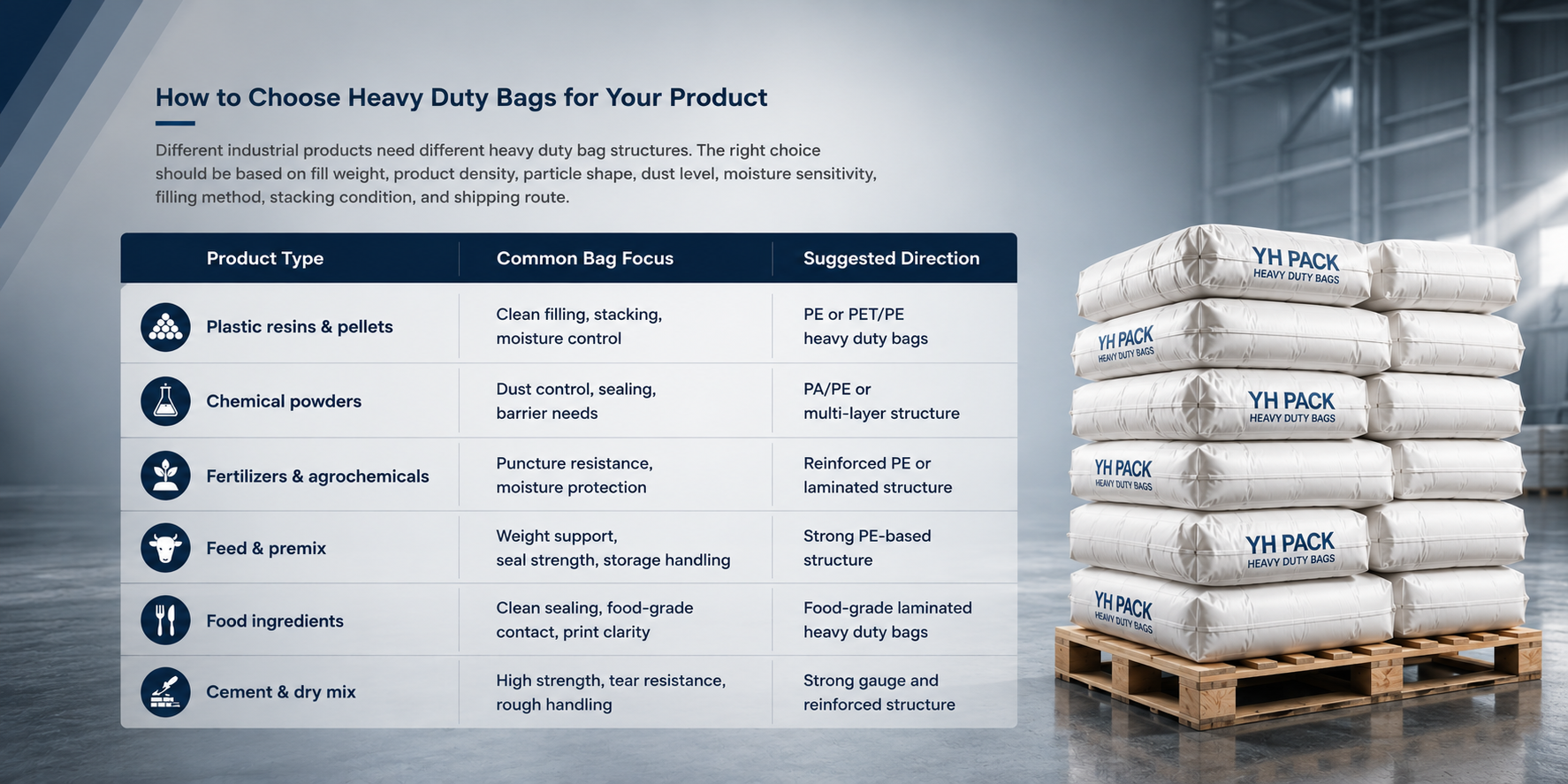
Choosing a heavy duty bag is not only about bag thickness. Fill weight, product density, particle shape, dust level, filling speed, pallet stacking, and export handling can all affect the final bag performance.
Send us your product type, target weight, current bag size, filling method, storage condition, and handling requirements. We can help review the structure, gauge, dimensions, seal style, and printing details before production.
Heavy Duty Bag by Application
 Resins & Plastic Pellets
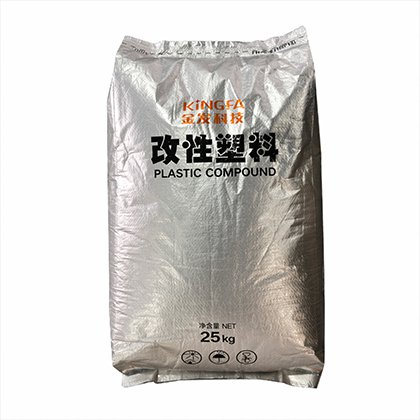
Heavy duty bags for PE, PP, masterbatch, and engineering plastic pellets need clean filling, stable stacking, and reliable sealing. For moisture-sensitive resins, the bag structure may also need better barrier protection during storage and shipment.
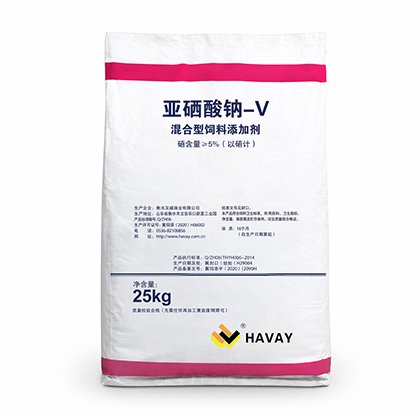 Chemical Powders
Chemical powders often create dust during filling and sealing. A suitable heavy duty bag should control powder leakage, keep the seal area cleaner, and match the filling line speed without creating feeding or opening problems.
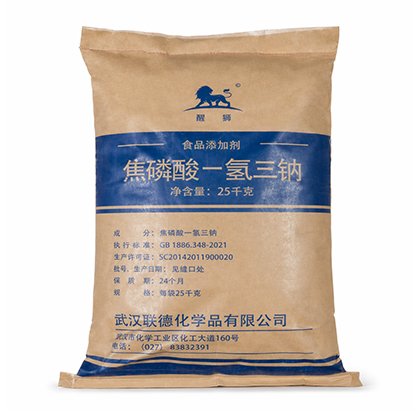 Minerals & Additives
Heavy duty bags are often used for calcium carbonate, talc, barium sulfate, filler masterbatch, and similar mineral products. In these applications, bag strength and load support usually matter more than appearance.
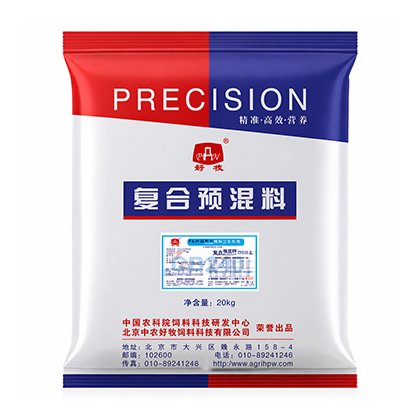 Animal Feed & Premix
Animal feed and premix products need heavy duty bags that can handle weight, stacking, and repeated movement through storage and delivery. Good sealing and stable bag shape also help reduce handling problems later.
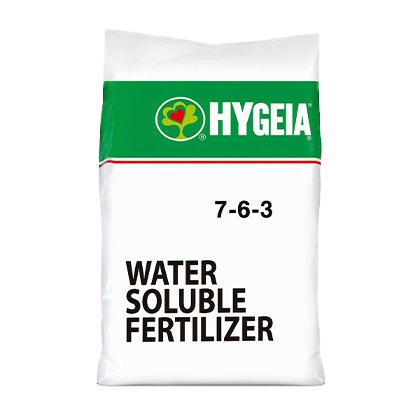 Fertilizers & Agrochemicals
Fertilizer and agrochemical bags need stronger puncture resistance and moisture protection. Granular or powder products may rub against the inner film during handling, so the structure should be selected for both strength and sealing stability.
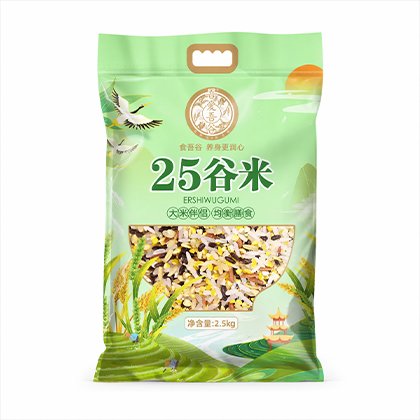 Seeds & Grains
Seeds and grains are a common heavy duty bag application, especially when the bags need to perform well in bulk packing, warehouse storage, and truck loading. The right bag helps protect the product while keeping handling efficient.
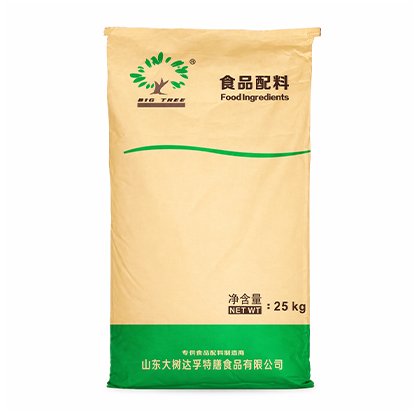 Food Ingredients
Food ingredient bags are used for sugar, salt, starch, seasoning powders, and dry additives. The key points are clean filling, food-grade contact material, clear printing, and secure sealing during storage and production-line handling.
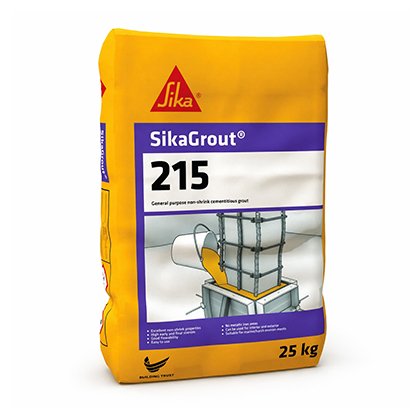 Cement & Building Materials
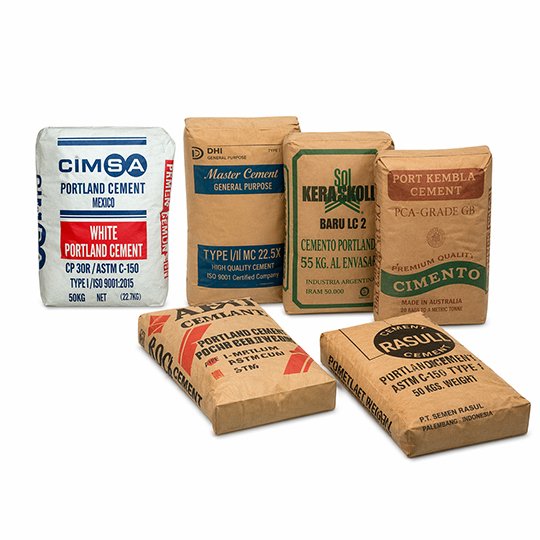
Cement, mortar, dry mix, and other building materials place much higher demands on packaging, so heavy duty bags are often the practical choice. In this kind of application, strength, filling efficiency, and transport durability all need to work together.
Custom Heavy Duty Bag Options

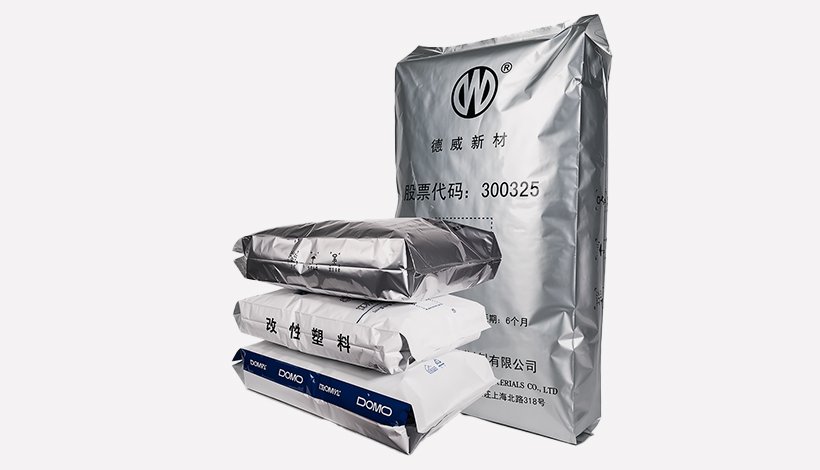
Choose PE, PET/PE, PA/PE, PET/AL/PE, or multi-layer structures based on product weight, moisture sensitivity, barrier needs, and handling conditions.

Bag width, height, gusset, and opening size should match the filling line, filled shape, pallet layout, and final stacking method.

The right gauge should support the fill weight without making the bag too stiff for automatic filling or sealing.

Support clear printing for brand name, product grade, batch code, barcode, handling marks, safety icons, and export information.

Choose pillow bag, gusset bag, block bottom style, heat seal, or sewn-style requirements based on product and filling method.

Specifications can be adjusted for fine powder, hot fill, moisture-sensitive products, export shipment, rough handling, or high-volume production.
Heavy-Duty Bags for 25kg and 50kg Packaging
A heavy-duty bag should do more than look thick. For 25kg and 50kg products, it needs reinforced bottom seals, stable side gussets, and enough film strength around pressure points.
Our heavy-duty bags help the finished pack handle real filling weight better and reduce the risk of splitting, tearing, or leaking during daily industrial packing.
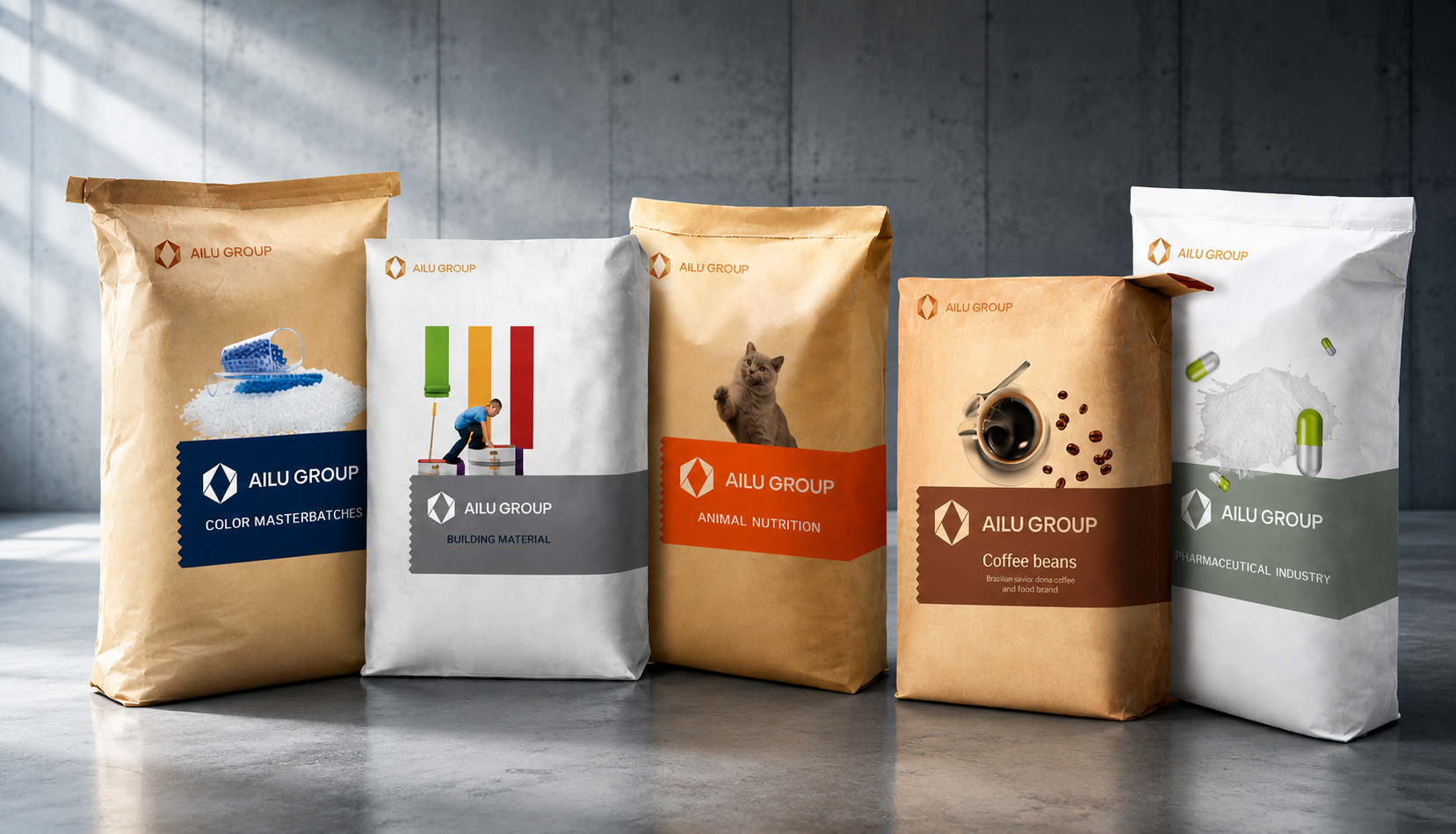
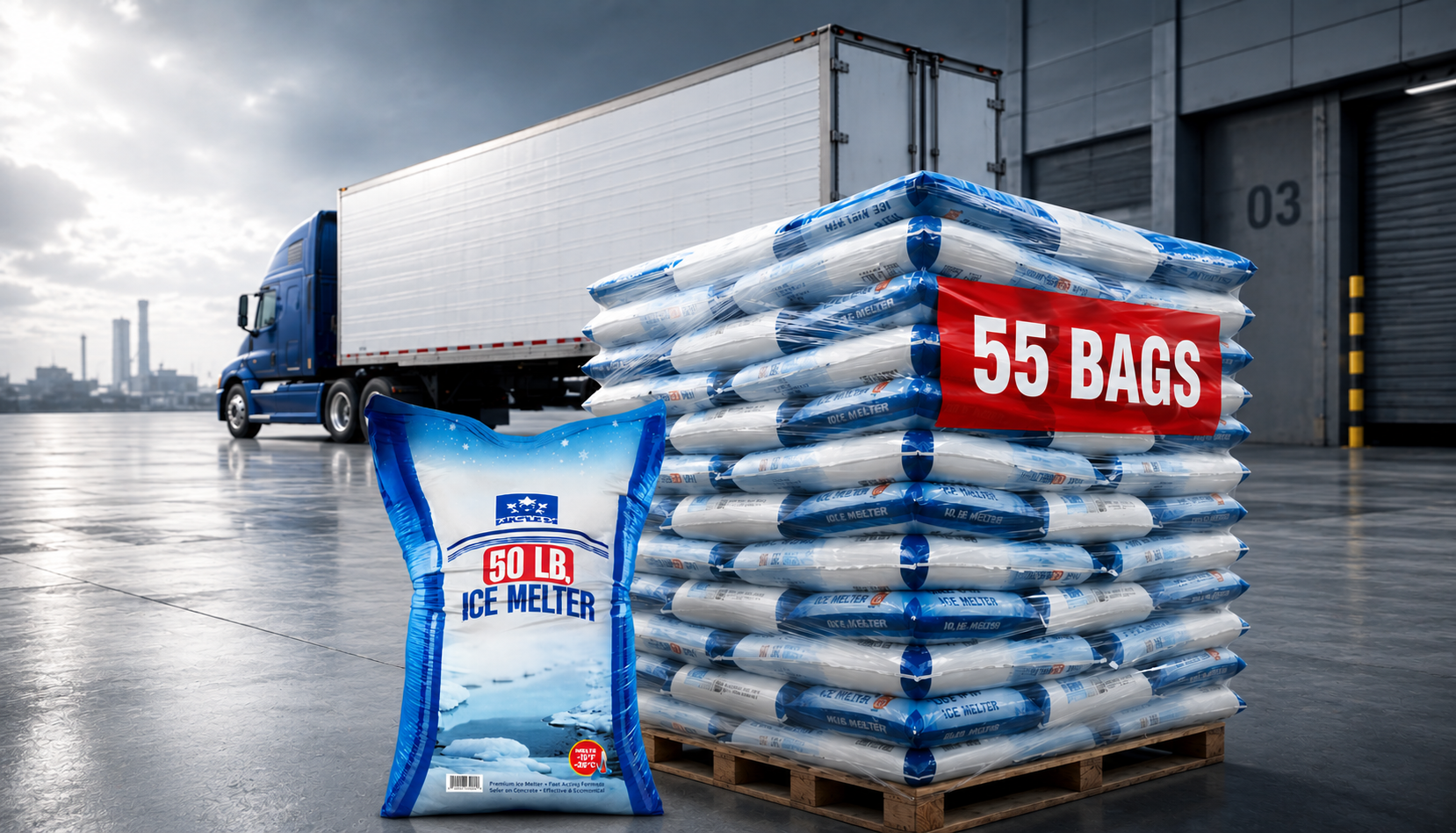
Better Bag Shape for Stable Palletizing
Heavy-duty bags should not bulge or lose shape after filling. Suitable bag dimensions, proper gusset depth, stable side folds, and strong film stiffness help filled bags sit flatter on pallets.
Our heavy-duty packaging bags ensure a neater filling shape for easier stacking, reduce wasted pallet space, and help keep goods stable during warehouse storage and container loading.
Heavy Duty Bag Cases for Real Industrial Packing
Different products create different packaging problems. These cases show how heavy duty bags were improved for real filling lines, powder leakage, stacking pressure, outdoor storage, and warehouse identification.
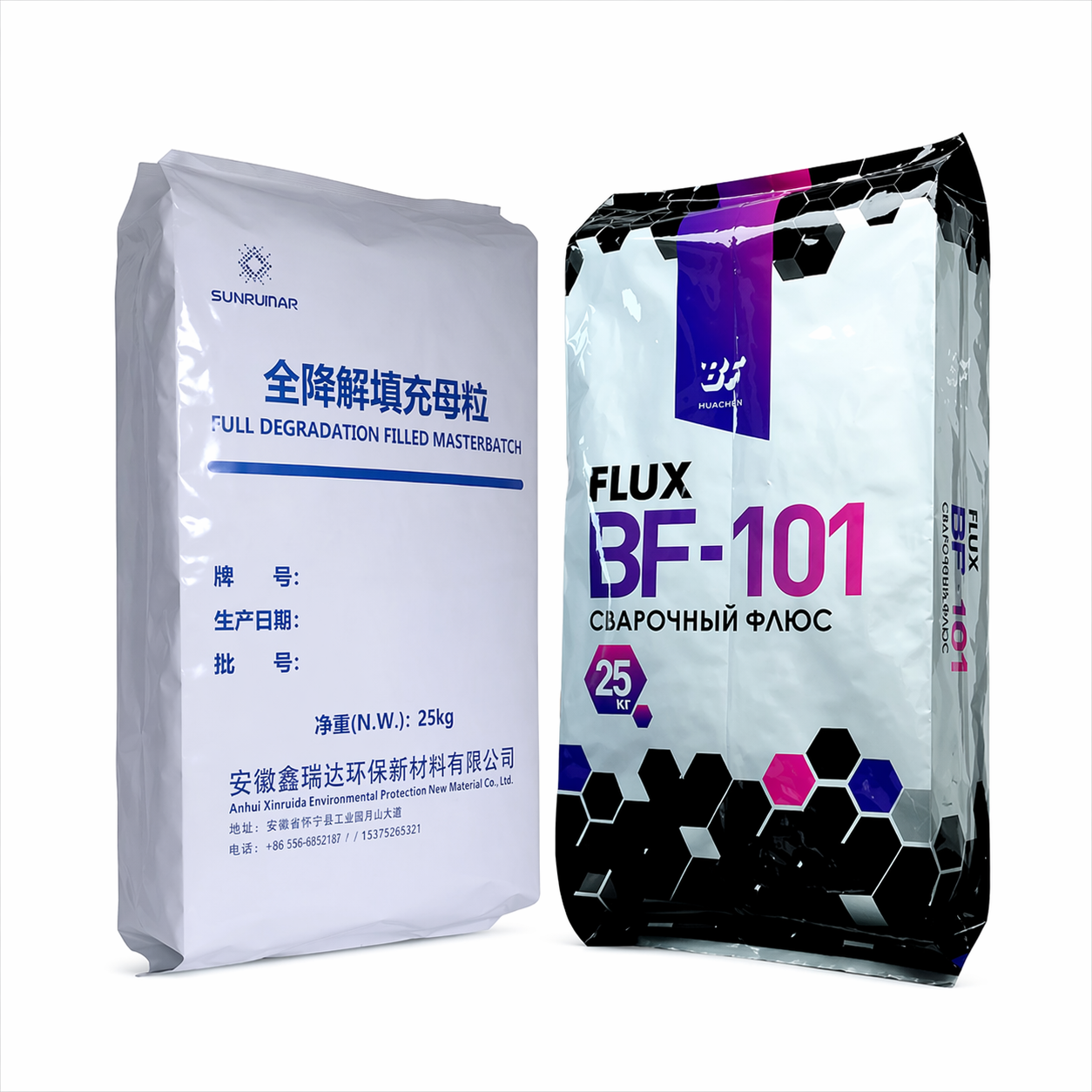
A resin customer was using 25kg bags on an automatic filling line. The bag strength was fine after filling, but the mouth did not open smoothly on the machine, so operators often had to adjust the bags by hand.
We improved the material stiffness and opening width of the packaging bags. The improved bags allow for smoother material feeding and require less manual adjustment during daily packaging.
A chemical powder customer packed 25kg fine powder for storage and export. The bags passed basic sealing tests, but after filling, stacking, and truck loading, small failures appeared around the bottom corners and side folds.
We increased the thickness of the sealing layer and redesigned the stress zones and the shape of the filled bag. This helps reduce corner cracking and makes the bag more stable during handling.
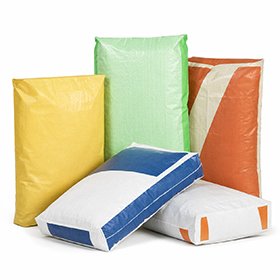
A food ingredient customer packed starch and seasoning powder in heavy-duty bags. Fine powder often reached the sealing area during filling, and some bags leaked after storage or pallet movement.
Our engineers optimized the design of the opening and top sealing areas of the packaging bags. The improvements result in better sealing of the bags and keep the pallet surface clean during handling.
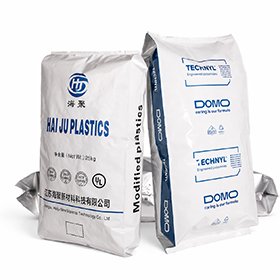
An industrial materials customer used similar bags for different product grades. The bags worked well, but the printed information was too small. In the warehouse, workers had to slow down and check the grade names, batch areas, and handling marks one by one.
We redesigned the printing layout, enlarged the grade names, improved the clarity of batch areas, and made handling markings easier to identify. This makes the bags easier to distinguish during storage, loading, and transportation.
Yes. PET/AL/PE or similar foil structures can be used when the product needs stronger moisture, oxygen, or light protection. This is usually considered for moisture-sensitive powders, chemicals, or specialty materials.
Bottom corner failure may come from overloaded filling, sharp particles, poor bag size, weak seal design, or rough pallet handling. The structure should be checked based on real fill weight and stacking conditions.
Yes. Some heavy duty bags can use recyclable PE-based or mono-material structures, especially for dry products such as resin pellets, grains, feed, fertilizers, and selected industrial powders. However, recyclability should be balanced with moisture protection, seal strength, puncture resistance, and filling-line performance.
Yes, handles can be added for selected bag formats, especially smaller heavy-duty packs. For larger 20kg, 25kg, or 50kg bags, handle strength and filled weight must be carefully reviewed.
Some structures can support short-term outdoor handling, but long-term outdoor storage needs better resistance to sunlight, moisture, and temperature changes. UV resistance or stronger barrier protection may be considered.