Your Reliable Coffee Packaging Manufacturing Partner
- Strict seal integrity control for more stable leak resistance during storage, shipping, and retail circulation.
- Consistent printing color management across different production batches and packaging runs.
- High barrier material structures designed to improve aroma protection and freshness stability.
- Reliable valve sealing performance for roasted coffee products requiring controlled gas release.
- Advanced lamination structures supporting longer storage cycles and broader distribution environments.
Coffee Packaging By Bag Style
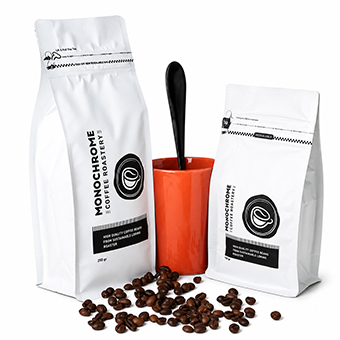
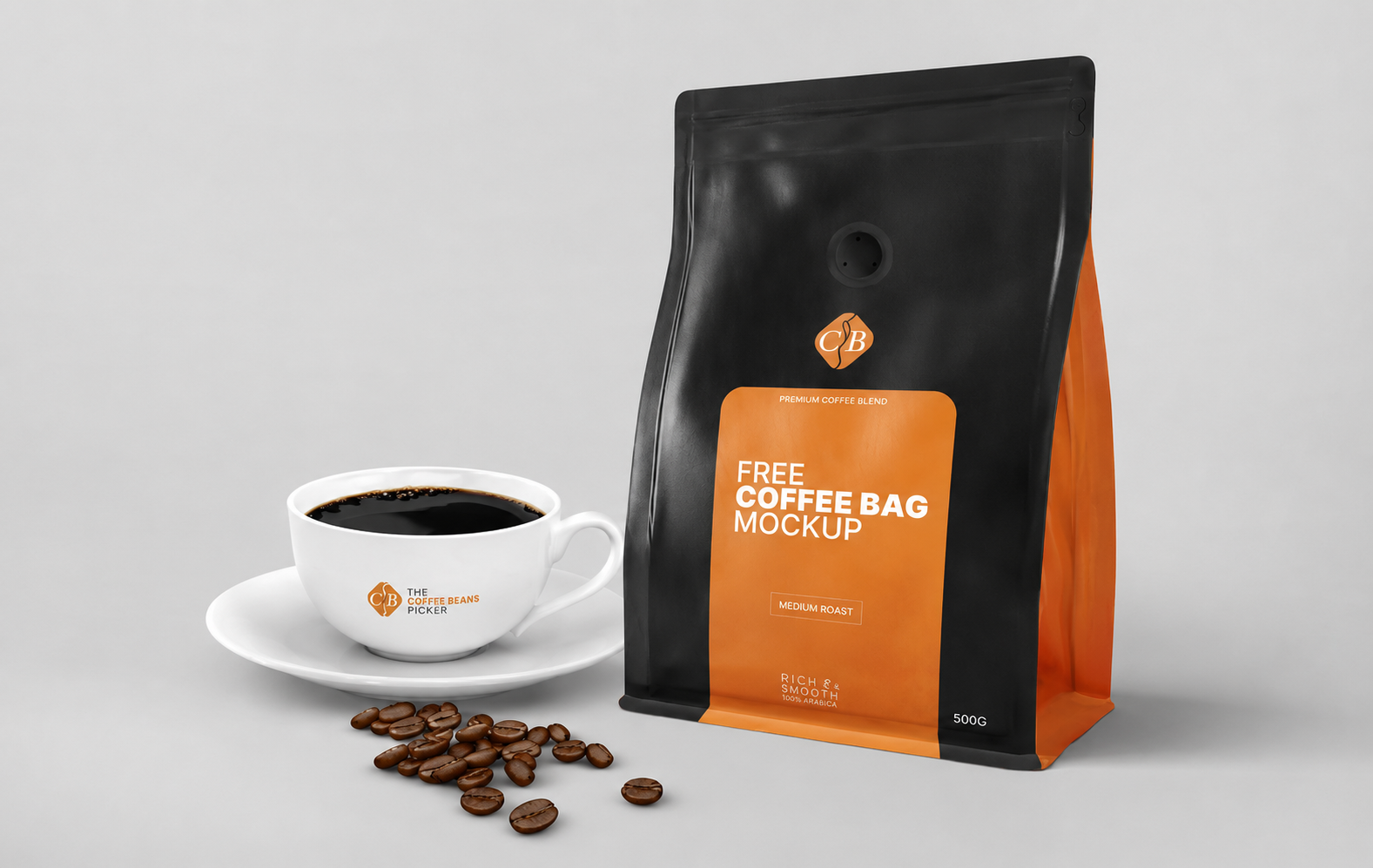
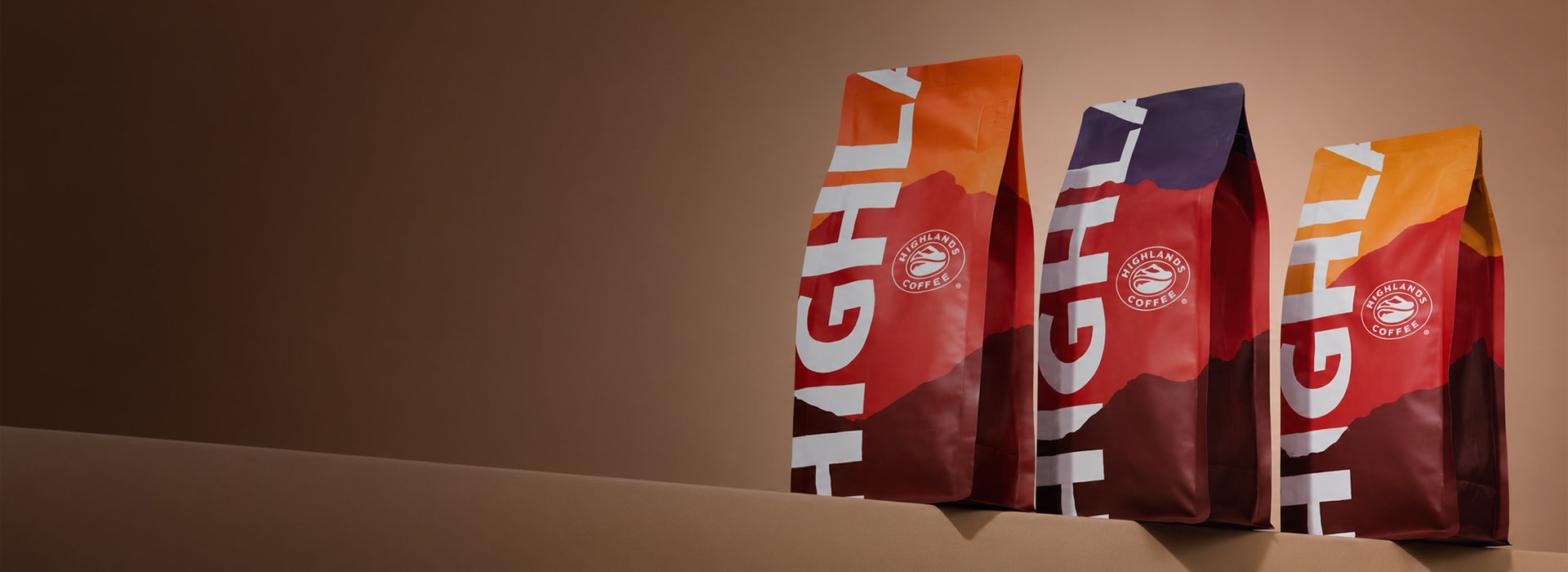
Flat bottom coffee bags, also known as box pouch coffee bags, offer excellent shelf presentation, stable standing performance, and efficient space utilization for retail coffee packaging.
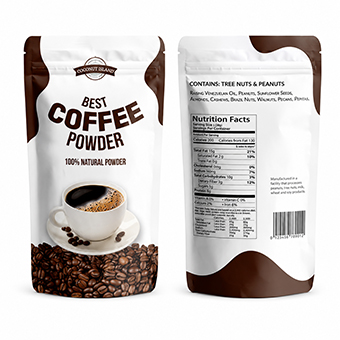
You don’t always need oversized packaging structures to create shelf impact. Stand up coffee pouches help you balance visual presentation, storage efficiency, and packaging flexibility in a more practical way.
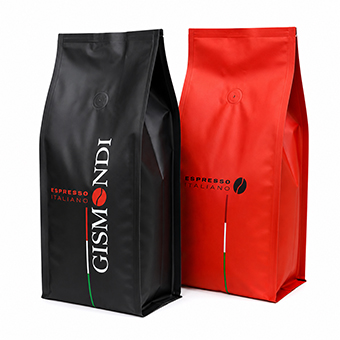
Not every coffee package needs to compete through visual complexity. Side gusset coffee bags remain a practical choice for brands that care more about packing efficiency, storage consistency, and operational simplicity.
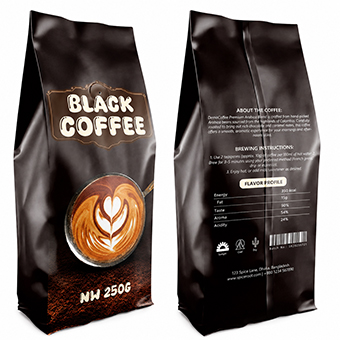
When your packaging needs stronger shelf structure without moving fully into rigid formats, quad seal coffee bags give you a more stable presentation while keeping storage and transportation relatively efficient.
Coffee Packaging By Material
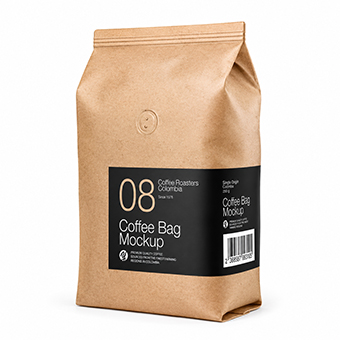
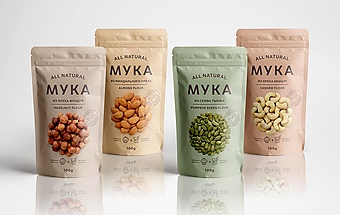
Kraft coffee bags give your packaging a warmer, more natural shelf look.
They work well for coffee brands that want a craft, organic, or eco-conscious appearance while still using an inner barrier structure for freshness protection.
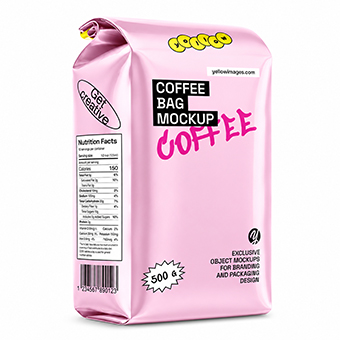
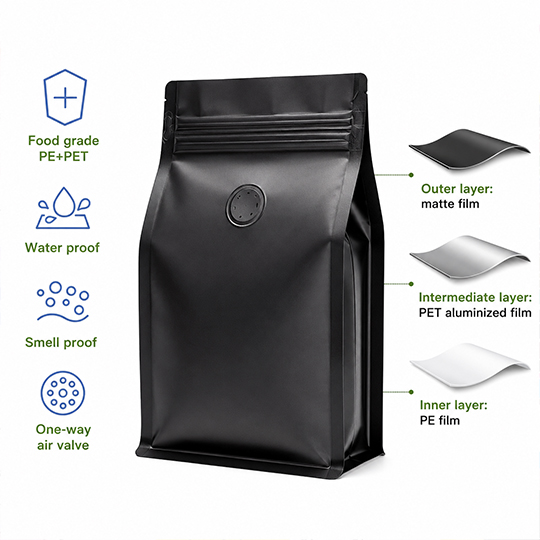
Foil coffee bags give your coffee stronger barrier protection against oxygen, moisture, light, and aroma loss.
They work well for longer shelf life, export shipments, wholesale packaging, and premium coffee lines.
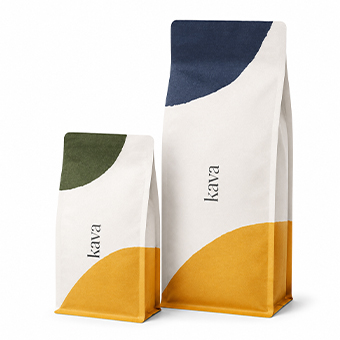
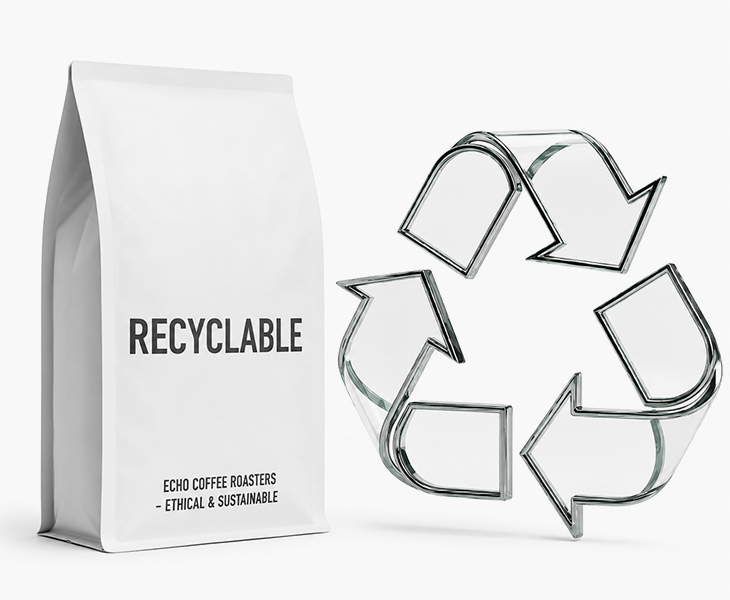
Recyclable coffee packaging supports a simpler material structure while maintaining freshness and shelf performance.
It suits brands looking for a more recyclable packaging direction.
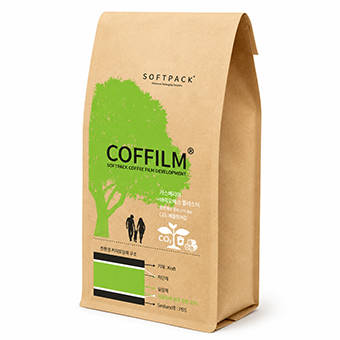
Compostable coffee bags offer a lower-impact packaging direction with a natural shelf look.
They focused on sustainability while still considering freshness, shelf life, and real disposal conditions.
Coffee Packaging By Application
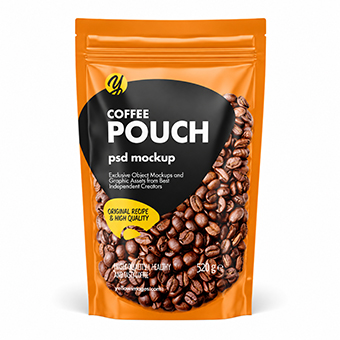
For roasted whole beans sold through retail, eCommerce, cafés, and subscription programs.
The packaging should support shelf display, daily resealing, storage, and repeat purchase.
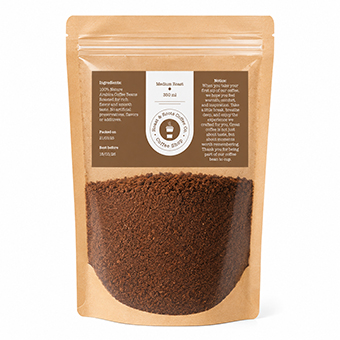
For ground coffee used at home, in offices, or through regular daily brewing.
The packaging should be easy to open, scoop, reseal, and store after each use.
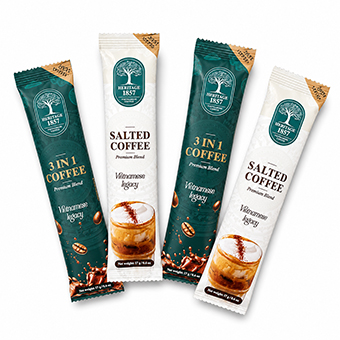
For single-serve coffee used during travel, office work, hotels, gift sets, and quick brewing.
The packaging should be compact, clean, portable, and easy to distribute.
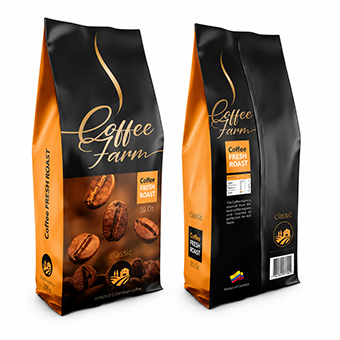
For wholesale coffee, café supply, commercial use, and larger inventory cycles.
The packaging should support storage, handling, transport, and efficient supply management.
Packaging Details That Improve Everyday Use
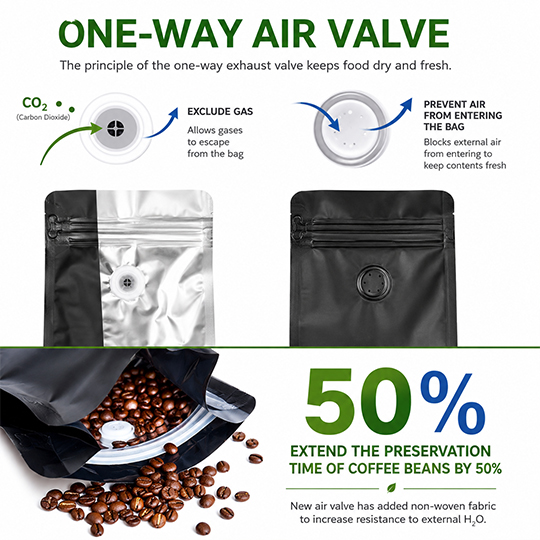
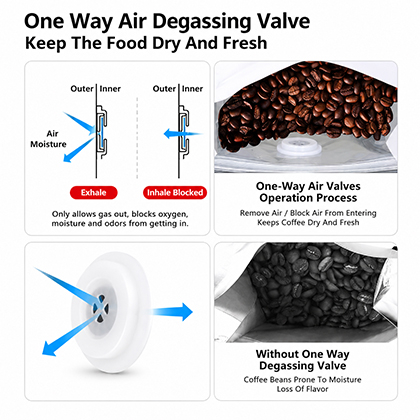 One-Way Degassing Valve
Helps release gas from freshly roasted coffee while reducing outside air exposure after sealing.
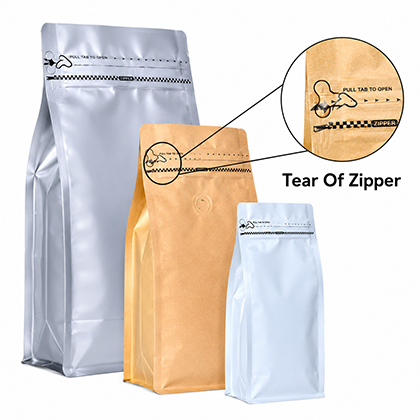 Resealable Zipper
Allows customers to reopen and close the bag more easily during daily use.
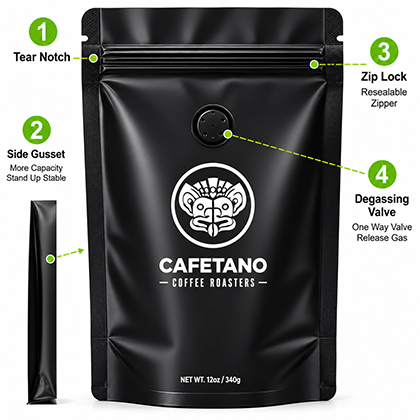 Tear Notch
Creates a cleaner opening experience without requiring scissors or extra tools.
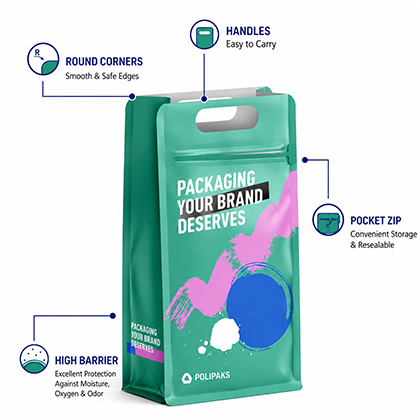
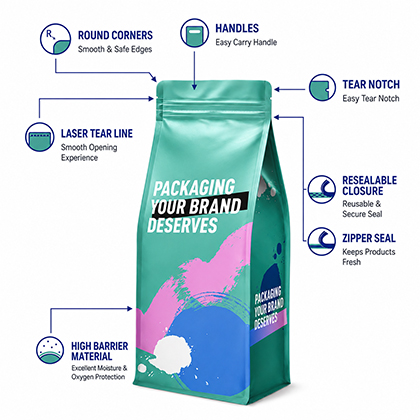 Rounded Corners
Helps improve handling comfort and gives the finished package a softer retail look.
 High Barrier Lamination
Helps reduce exposure to oxygen, moisture, and light during storage and distribution.
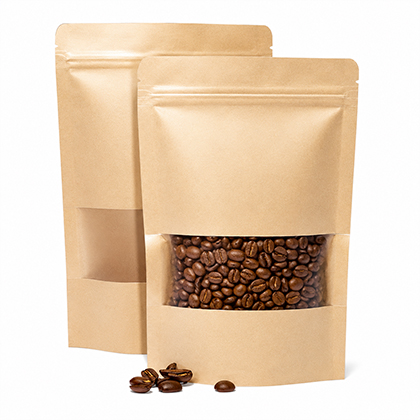 Clear Window Option
Allows customers to see the product inside while keeping the main branding area clean
Customization Options of Coffee Packaging

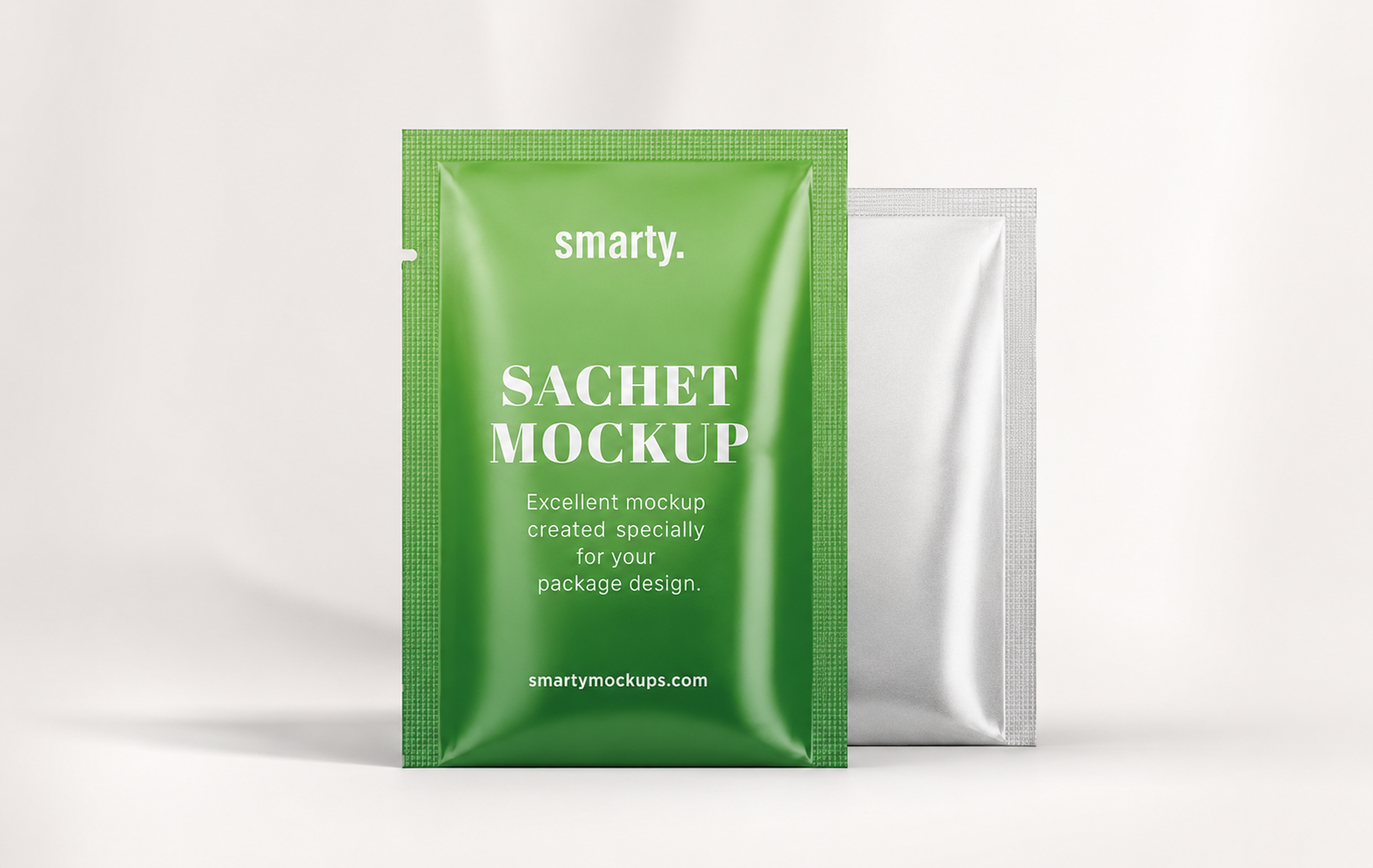
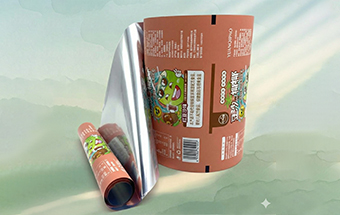
Stand-up pouches, flat bottom bags, side gusset bags, sachets, and roll film can be customized for retail, eCommerce, café, sample, or bulk coffee packaging.

Kraft paper, foil laminate, metallised film, recyclable, and compostable structures can be selected based on freshness needs, shelf life, and brand positioning.

Gloss, matte, soft-touch, metallic, and spot finishes can be used to create different shelf looks for standard, specialty, or premium coffee lines.

Add coffee-specific details such as degassing valves, tear notches, hanging holes, and rounded corners for better use and display.

Custom logo, full-colour artwork, front/back printing, side gusset design, barcode, nutrition panel, and retail information can be arranged.

Custom sizes are available for 100g, 250g, 500g, 1kg, sample packs, drip coffee packs, and larger wholesale coffee formats.

One-way degassing valves help release CO₂ while reducing outside air entry, which is especially useful for freshly roasted coffee.

Choose zipper, tin tie, heat seal, or resealable closure options to support daily opening, storage, and freshness control.
Simplified Recyclable Material Structures
Recyclable mono-material structures give your packaging a cleaner material direction without making the bag feel basic or low-value.
You can support recyclability goals while still keeping the package practical for shelf display, sealing performance, moisture protection, and daily handling.
It helps your brand build a more responsible packaging story without giving up the functions your product still needs.
Flexible Low MOQ Production
You do not always need a large packaging order to start a new product line or test a new design.
Flexible ordering allows you to prepare smaller batches for new SKUs, seasonal products, trial launches, or packaging updates without carrying unnecessary inventory.
It gives your brand more room to test the market, adjust faster, and keep packaging stock under control.
Coffee Bag Details That Support Daily Use
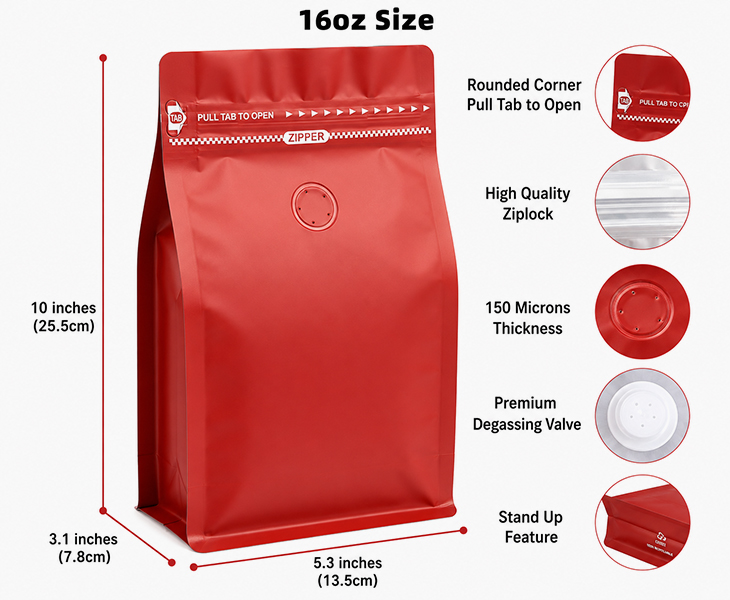
Coffee packaging needs more than good artwork. Size, zipper position, valve placement, film thickness, opening style, and bottom structure all affect how the bag opens, stands, seals, and stores.
Resealable closures, one-way degassing valves, stronger film structures, and stable bottom designs can be adjusted to match your coffee format, filling method, and daily-use needs.
Various Coffee Packaging Solutions
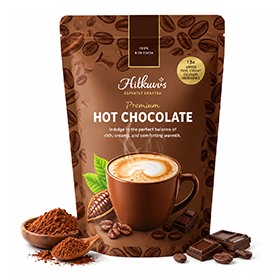
Designed for coffee products competing in supermarkets, specialty retail shelves, and broader commercial display environments.
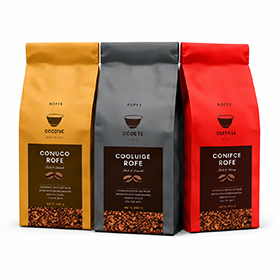
Built for shipping durability, compact storage, and direct-to-consumer coffee fulfillment programs.
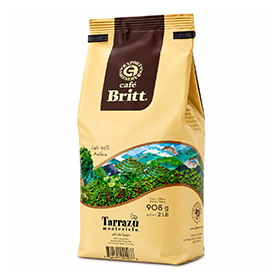
Packaging structures optimized for larger inventory circulation, commercial supply, and bulk coffee distribution.
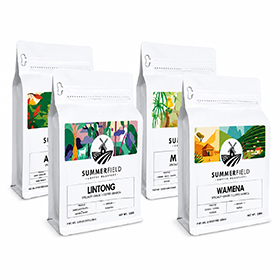
Custom printed packaging solutions developed for private label coffee brands and OEM coffee programs.
Freshly roasted coffee continues releasing gas after packaging. Without a valve, pressure can build inside the bag and affect packaging stability during storage and transportation.
Recyclability often depends on local collection systems, material structures, and regional recycling capabilities. Many brands are now moving toward simpler mono-material structures to improve compatibility with existing recycling streams.
Kraft structures are often chosen for a more natural or craft-oriented presentation, while foil laminates are typically selected when longer storage cycles and stronger barrier performance become more important.
Premium coffee packaging often relies less on heavy graphics and more on texture, balance, and shelf perception. Matte finishes are commonly used when brands want a quieter and more refined presentation.
Recyclable packaging is generally designed to work within existing recycling systems, while compostable structures are more closely tied to material decomposition under specific environmental conditions.
Kraft coffee bags are not automatically recyclable. It depends on the full laminate structure, not just the paper-looking outside.
For example, kraft paper with a simple recyclable inner film may support a more recyclable direction. Kraft laminated with foil, metallised film, or multi-layer barrier films offers stronger freshness protection, but it may not be accepted in normal paper recycling streams.
The outside kraft appearance does not decide recyclability. The inner barrier layer is what matters most.