How a Laminate Structure Works
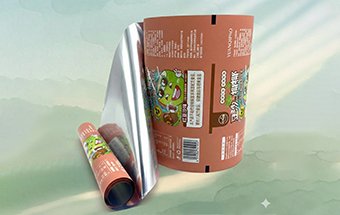
A flexible packaging bag is usually made from several film layers bonded together. Each layer has a job. The outer layer carries the printing and protects the surface. Middle layers help block oxygen, moisture, light, or odour. The inner layer touches the product and forms the heat seal during filling.
That is why the same pouch shape can perform very differently when the material structure changes.
When the Wrong Structure Causes Problems
Shorter Shelf Life
The barrier level is too low for oxygen, moisture, light, or aroma protection.
Seal Failure
The inner sealant film does not match filling temperature, retort conditions, or machine speed.
Cold Cracking
The film becomes brittle during frozen storage or cold-chain handling.
Puncture and Bag Breakage
Sharp, heavy, or irregular products need better mechanical resistance.
Product Compatibility Issues
Oil, acid, moisture, or active ingredients may interact with the wrong inner film.
How Product Requirements Change the Material
The same product category can lead to different material decisions depending on the specifics. These are the factors that usually drive those differences — and where we focus when recommending a structure.
 Moisture and Oxygen Sensitivity
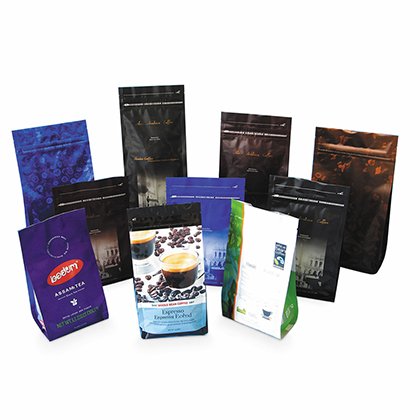
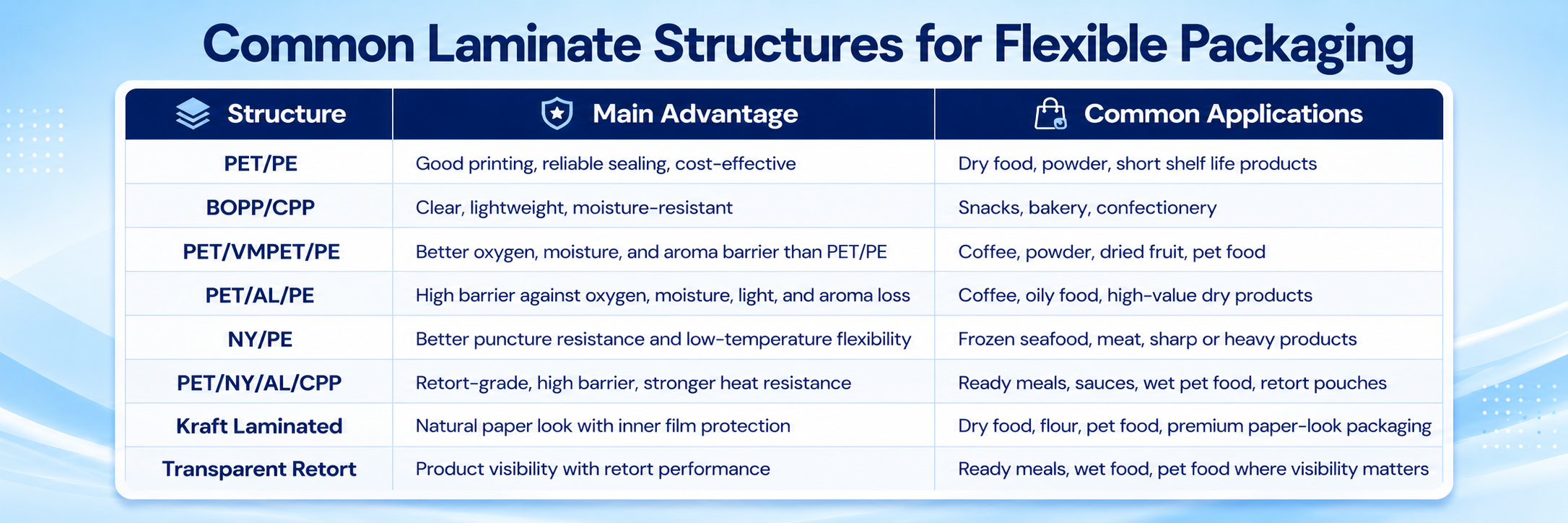
For moisture-sensitive products, PET/PE, BOPP/CPP, or PET/CPP can often help prevent clumping, softening, or loss of crispness. For oxygen-sensitive products such as coffee, powders, nuts, dried fruit, and pet food, PET/VMPET/PE or PET/AL/PE is usually a better direction.
 Fat and Oil Content
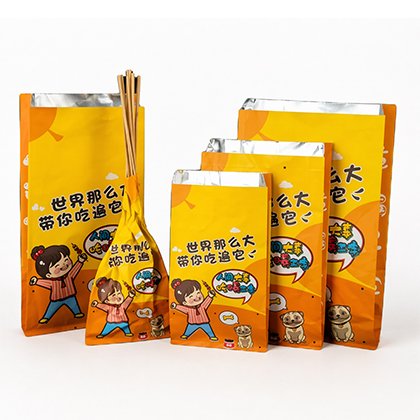
Oily products need better oxygen and flavour protection. For nuts, oily snacks, seasoning powder, and pet food, PET/VMPET/PE is commonly used. For longer shelf life or stronger light and aroma barrier, PET/AL/PE or PET/NY/AL/PE may be more suitable.
 Freezing
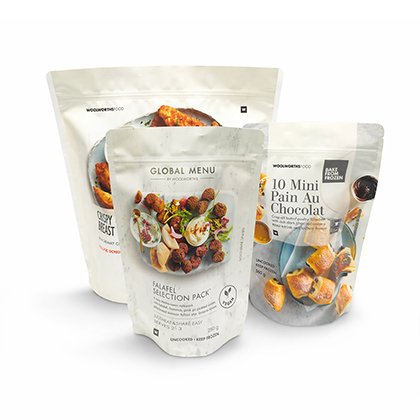
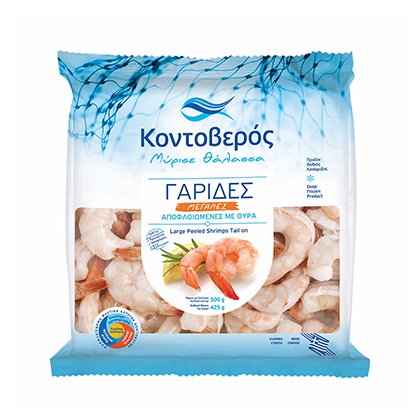
Frozen products need films that stay flexible at low temperatures. NY/PE is often used for frozen seafood, meat, dumplings, and products with sharp edges. For better barrier or export storage, PET/NY/PE or PET/NY/AL/PE can be considered.
 Hot Filling and Retort
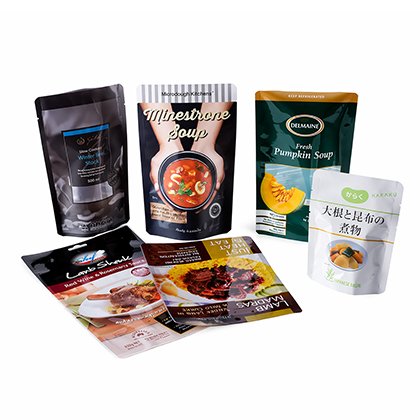
Hot-filled products may use PET/PE or PET/CPP depending on the filling temperature. For retort food, ready meals, sauces, and wet pet food, PET/AL/CPP, PET/NY/AL/CPP, or transparent PET/NY/CPP structures are more suitable.
 High-Moisture Products and Liquids
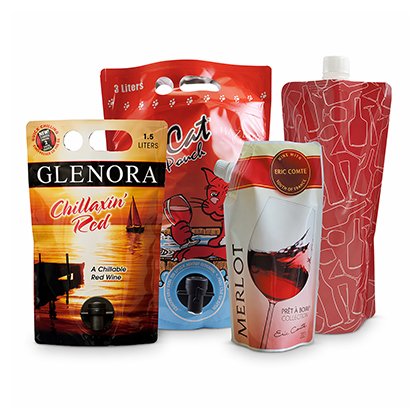
Liquids, sauces, pastes, and wet food need strong sealing and good inner-layer compatibility. PET/PE, PET/NY/PE, or PET/CPP are common choices. For oily, acidic, or longer shelf life products, VMPET, AL, or NY layers may be added.
 Transport Conditions
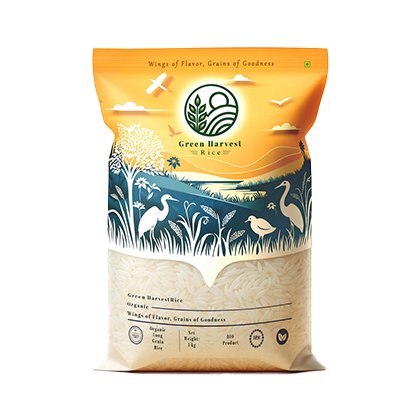
Heavy products and export shipments need stronger film structure. PET/PE, PET/NY/PE, MOPP/PE, or thicker PE-based laminates are often used for heavy powder, pet food, rice, fertilizer, and industrial materials. NY can improve puncture resistance.
 Shelf Life Target
Short shelf life products may use PET/PE, BOPP/CPP, or PET/CPP. For 6–18 months shelf life, export storage, or high-value food, PET/VMPET/PE, PET/AL/PE, PET/NY/AL/PE, or retort-grade structures provide stronger protection.
Whether You Know the Structure or Not, We Can Help
If you already have a material structure, send us the specification or a current sample. We can quote to spec, check possible production risks, and suggest an equivalent structure if needed.
If you’re still choosing the material, tell us your product, filling method, storage condition, transport route, and shelf life target. We’ll recommend a practical laminate structure based on real use conditions.
We don’t default to the most complex option. If a simpler and lower-cost structure can do the job, we’ll tell you clearly.
Either works. If you have a structure already, we’ll produce to it and flag anything that looks like it could be a problem. If you’re starting without a spec, send us the product and application details and we’ll come back with a recommendation. A lot of buyers don’t come in with a written specification for new products — that’s a normal place to start.
Metallised film has a very thin vapour-deposited aluminium coating. It improves barrier significantly compared to plain film, but oxygen and moisture can still pass through at a slower rate — it’s not the same as foil. Aluminium foil laminate brings transmission close to zero on both. For most standard food applications, metallised film is adequate. When shelf life is a serious requirement, or the product is going into retort, foil is usually where you end up.
In many cases, yes. The same material can often run as a three-side seal, a stand-up pouch, or a back-seal bag. The main exceptions are format-specific requirements — retort pouches need CPP as the sealant, and some materials suit certain formats better than others. We confirm compatibility before production.
Standard PE and BOPP films get brittle at sub-zero temperatures. In actual frozen handling conditions — conveying, stacking, dropping — that brittleness leads to cold-cracking. Nylon stays flexible at those temperatures. For products with bones or shells, the nylon layer also handles puncture resistance. Both reasons often apply at the same time, which is why NY/PE is the standard specification for frozen seafood and bone-in meat.
Yes. The kraft outer layer isn’t in contact with the product — the inner sealant film handles that. As long as the inner layer is food-grade and compatible with the product, kraft laminate works for dry food, pet food, flour, and similar applications.
Start with shelf life and product sensitivity. Short domestic cycle, not particularly sensitive to oxygen or moisture — standard barrier is often sufficient. Export, high-fat content, or shelf life above 12 months — higher barrier is usually the safer direction. If you’re not sure, send us the product details. We’ll give a practical recommendation rather than defaulting to the most expensive option.
Usually, yes. A written specification or a physical sample both work as a starting point. Send over whatever you have.
Not in any meaningful way. Thickness mainly affects mechanical performance — how the bag handles puncture, tearing, and the stress of filling and transport. Barrier comes from the layer composition, specifically whether metallised or foil layers are in the structure. A thicker version of a low-barrier laminate is still a low-barrier laminate.