What Is a Back Seal Bag?
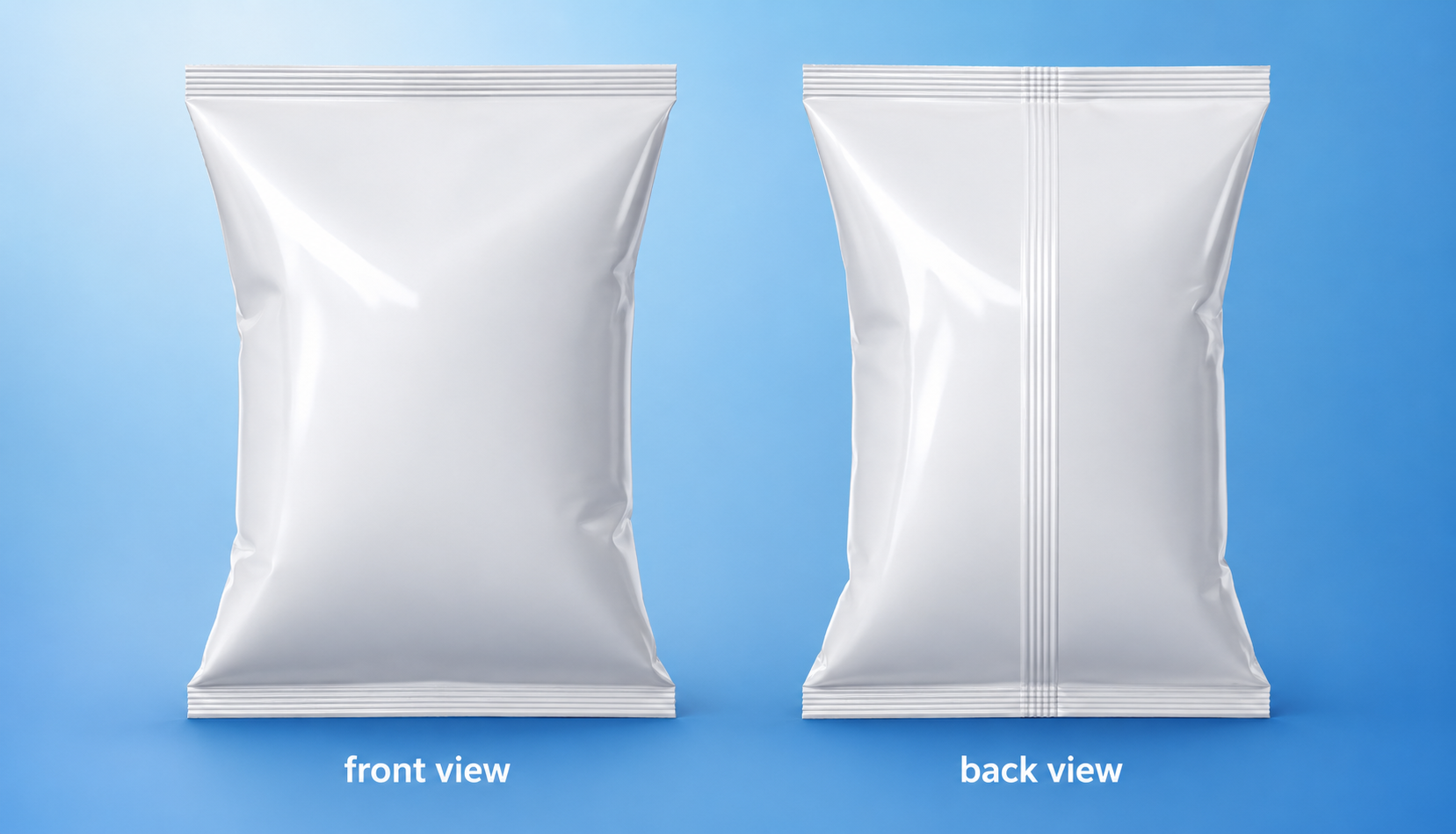
A back seal bag is a flexible packaging bag with one vertical sealing seam on the back side. It is also known as a center seal pouch, fin seal pouch, or pillow pouch in different packaging uses.
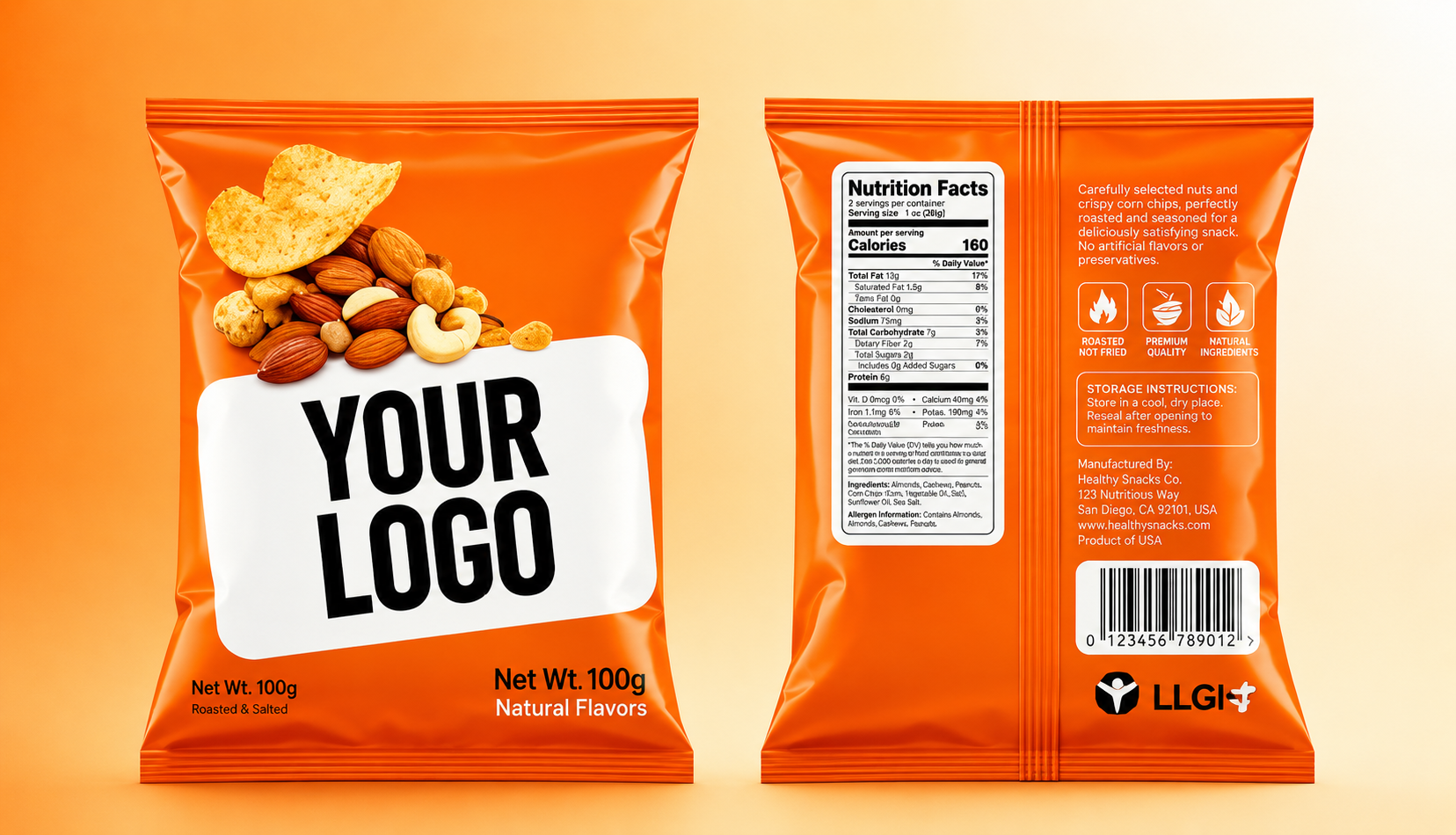
Because the main seal is placed on the back, the front panel remains clean for product branding, logo printing, product name, and retail display.
Back Seal Bag Applications
We know that each product requires unique outer packaging. Our team is here to help you find the best back seal bag for your needs, taking into account how long it will last and how it will look on display.
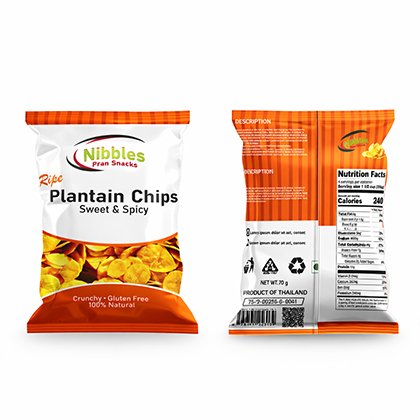 Snack Packaging
Back seal bags are suitable for chips, nuts, candy, crackers, dried fruit, and other lightweight snack products that need compact retail packaging and efficient machine packing.
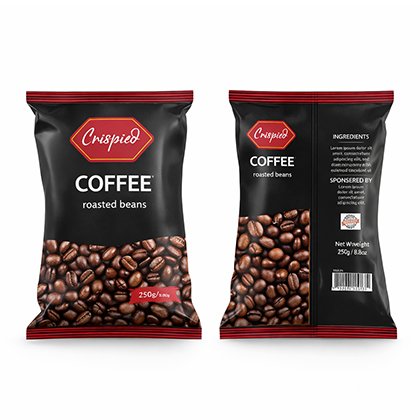 Coffee Packaging
Back seal bags can be used for coffee beans, ground coffee, and small retail coffee packs where aroma protection, clean front branding, and stable sealing are important.
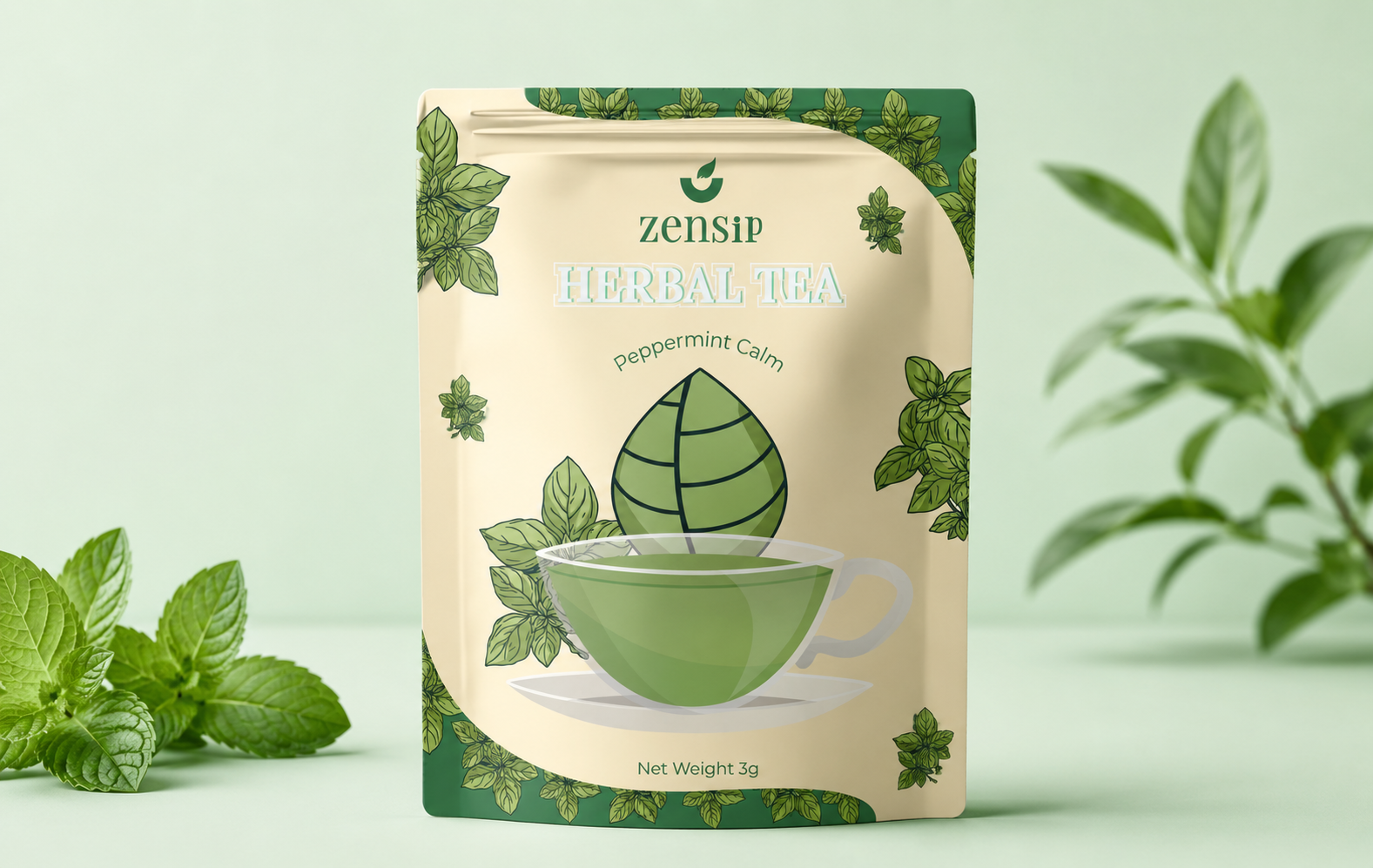
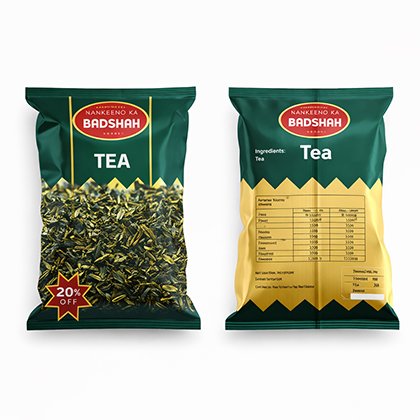 Tea Packaging
For loose tea, herbal tea, and dry tea blends, back seal bags provide a simple retail packaging format with a clean front display area and space for product information.
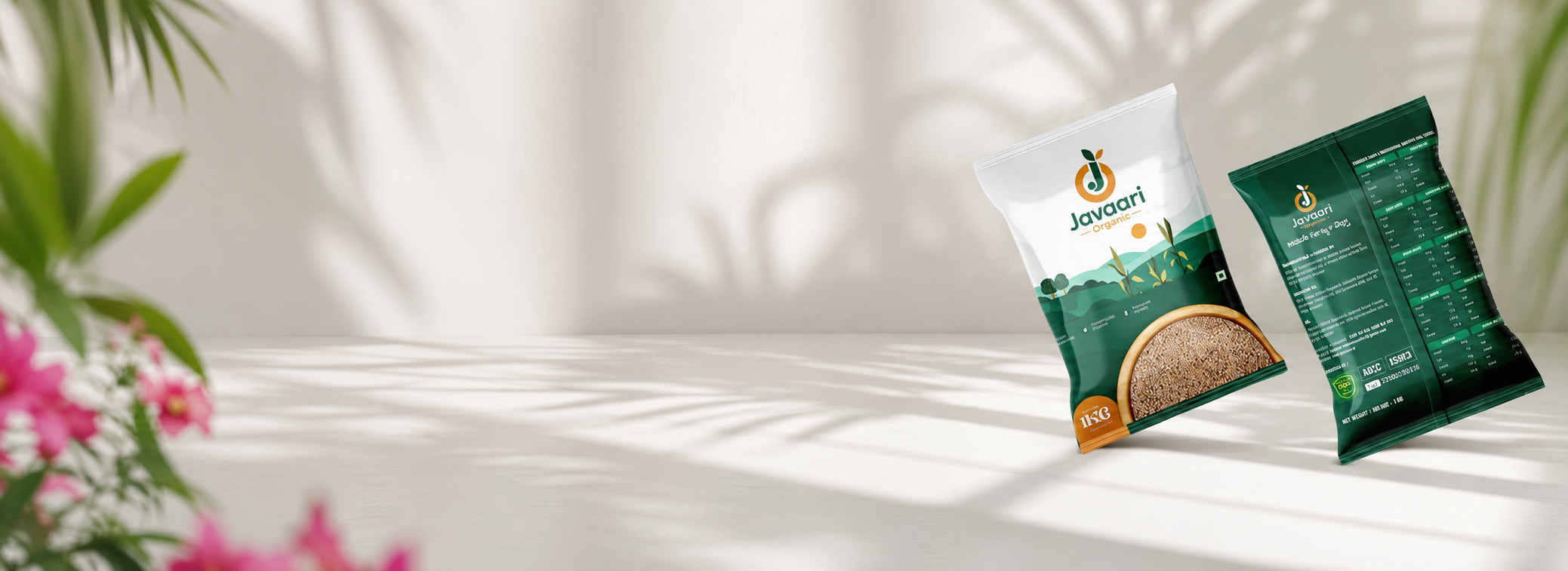
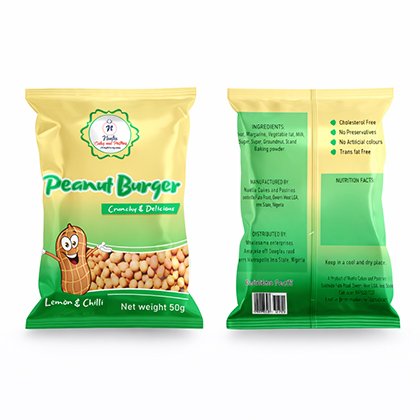 Granule Packaging
Back seal bags are suitable for granular products such as seeds, grains, sugar, seasoning granules, and small dry food items that need stable sealing and efficient filling.
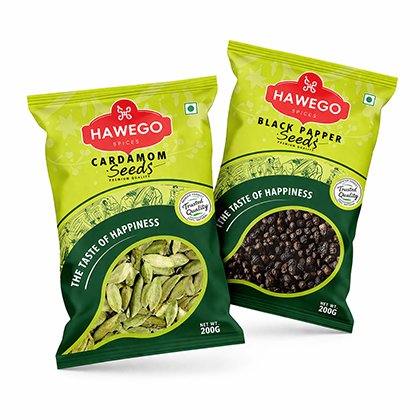 Spice Packaging
Back seal bags work well for spices, dried herbs, seasoning powder, and spice mixes that need compact packaging, moisture protection, and clear retail presentation.
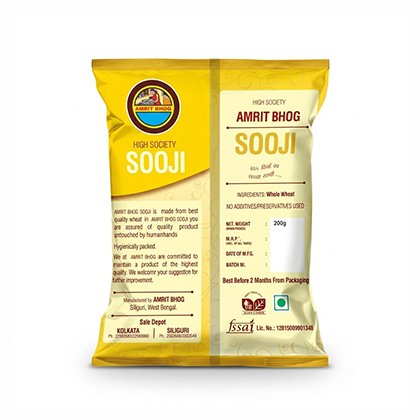 Flour Packaging
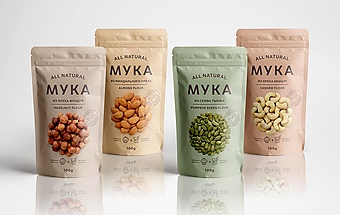
Back seal bags can be used for flour, baking powder, grain powder, and other dry powder products that need clean sealing, compact storage, and efficient packing.
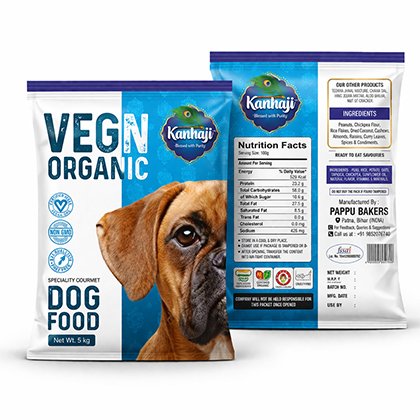 Pet Treat Packaging
You may very well already be using it,especially for small snacks and training treats that need a tidy, retail-ready presentation.
Custom Back Seal Bag Options
You can customize the back seal bag based on your product weight, packing machine, shelf life needs, and retail presentation requirements.

Set the bag width, height, and sealing allowance according to filling weight, product volume, and machine settings.

Adjust the center back seam, fin seal, or overlap seal style based on your product and packing machine requirements.

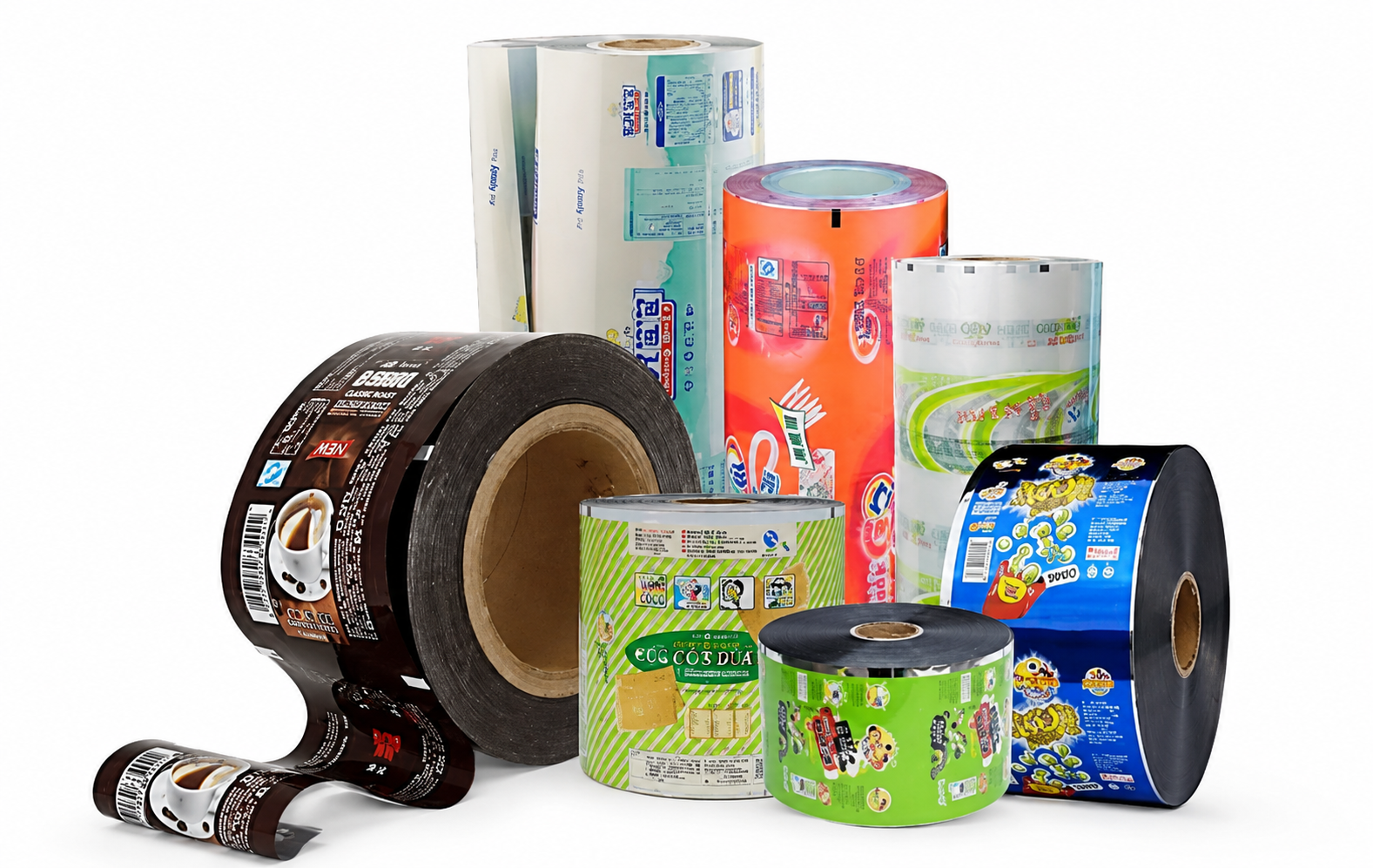
Choose roll stock film for automatic forming, filling, and sealing lines when you need high-volume production.

Choose PET/PE, PET/VMPET/PE, PET/AL/PE, BOPP/CPP, or other laminated structures based on barrier needs.

Use the clean front panel for logo, product name, selling points, and retail design, while placing details on the back panel.

Add a tear notch or easy-open feature for single-serve packs and daily-use retail packaging.

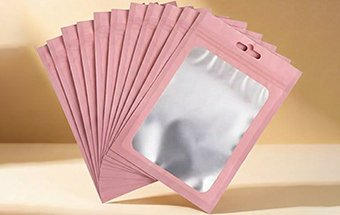
Add a window when you want customers to see the product inside without affecting the main branding area.

Confirm film thickness, sealing layer, roll width, and machine direction before production to reduce packing issues.
A Cost-Effective Choice for Trial Launches
For trial launches, seasonal products, and market testing, investing in complex pouch formats may not always be necessary.
A back seal bag offers a simple and cost-effective packaging solution that helps reduce packaging investment while allowing you to test market demand before scaling up.
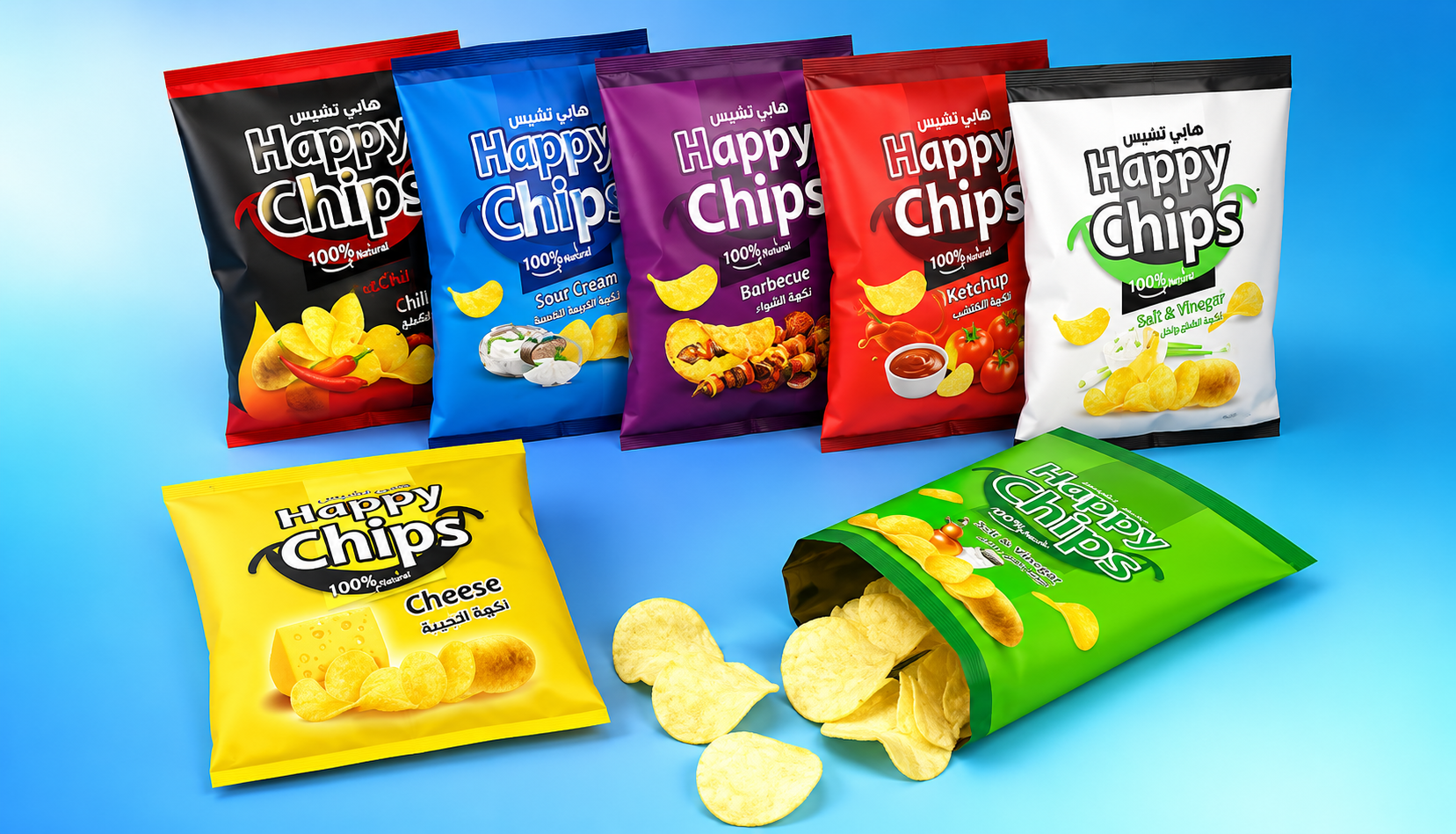
Launch More Flavors with the Same Packaging Format
Different flavors can share the same pouch size and structure while using different artwork and colors.
This helps simplify production, reduce packaging complexity, and keep your product line visually consistent.
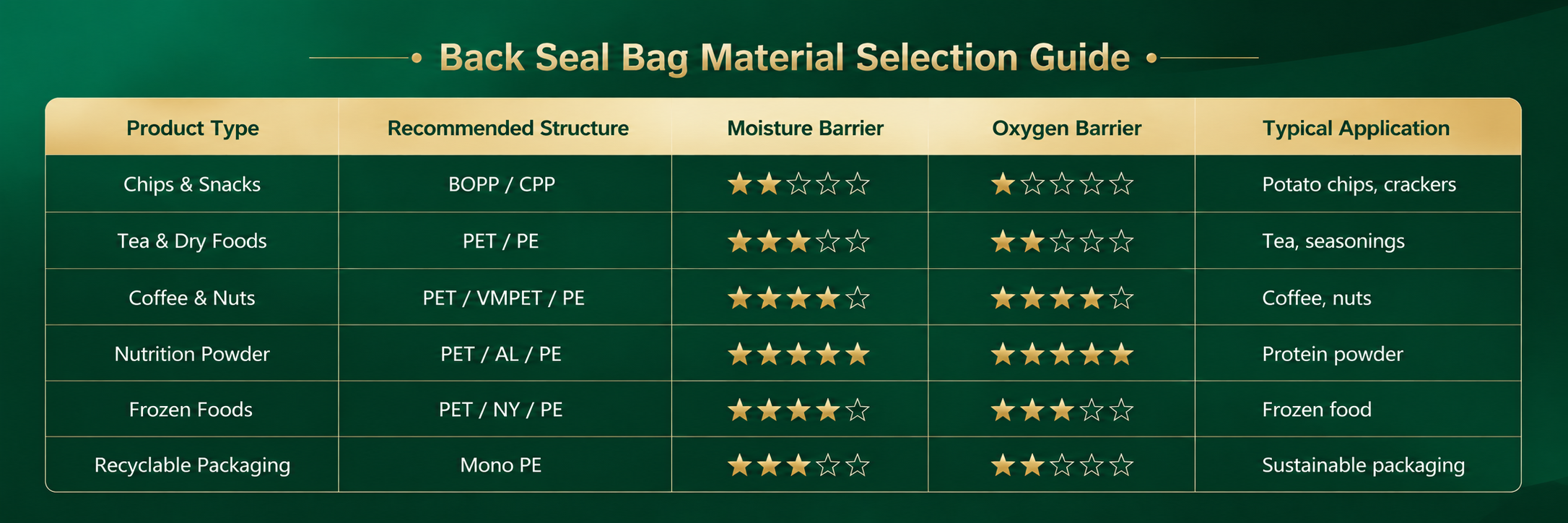
If your product is packed on automatic packaging lines or sold in high volumes, a back seal bag is often a more practical option. It uses a simpler structure, supports efficient machine packing, and typically requires less packaging material than stand up pouches.
Generally, no. Since the sealing seam is positioned on the rear panel, customers see a smooth and uninterrupted front surface when the product is displayed on shelves. This allows brands to maximize visual impact while maintaining a cost-effective packaging structure suitable for high-volume production.
Yes. Many brands begin with a cost-effective material structure during product launch and later upgrade to higher-barrier laminates as sales volumes grow or shelf-life requirements increase. In most cases, the back seal bag format, dimensions, and artwork can remain unchanged, helping reduce redesign costs while improving product protection.
Bag dimensions alone do not determine filling capacity. Product density, particle size, and packing method all affect the actual volume. We can recommend suitable bag dimensions based on your product type and target net weight to reduce packaging waste and improve filling efficiency.
Yes. Many snack foods, coffee products, and dry foods packed in back seal bags can be filled with nitrogen to help reduce oxygen exposure and maintain product freshness during storage and transportation.