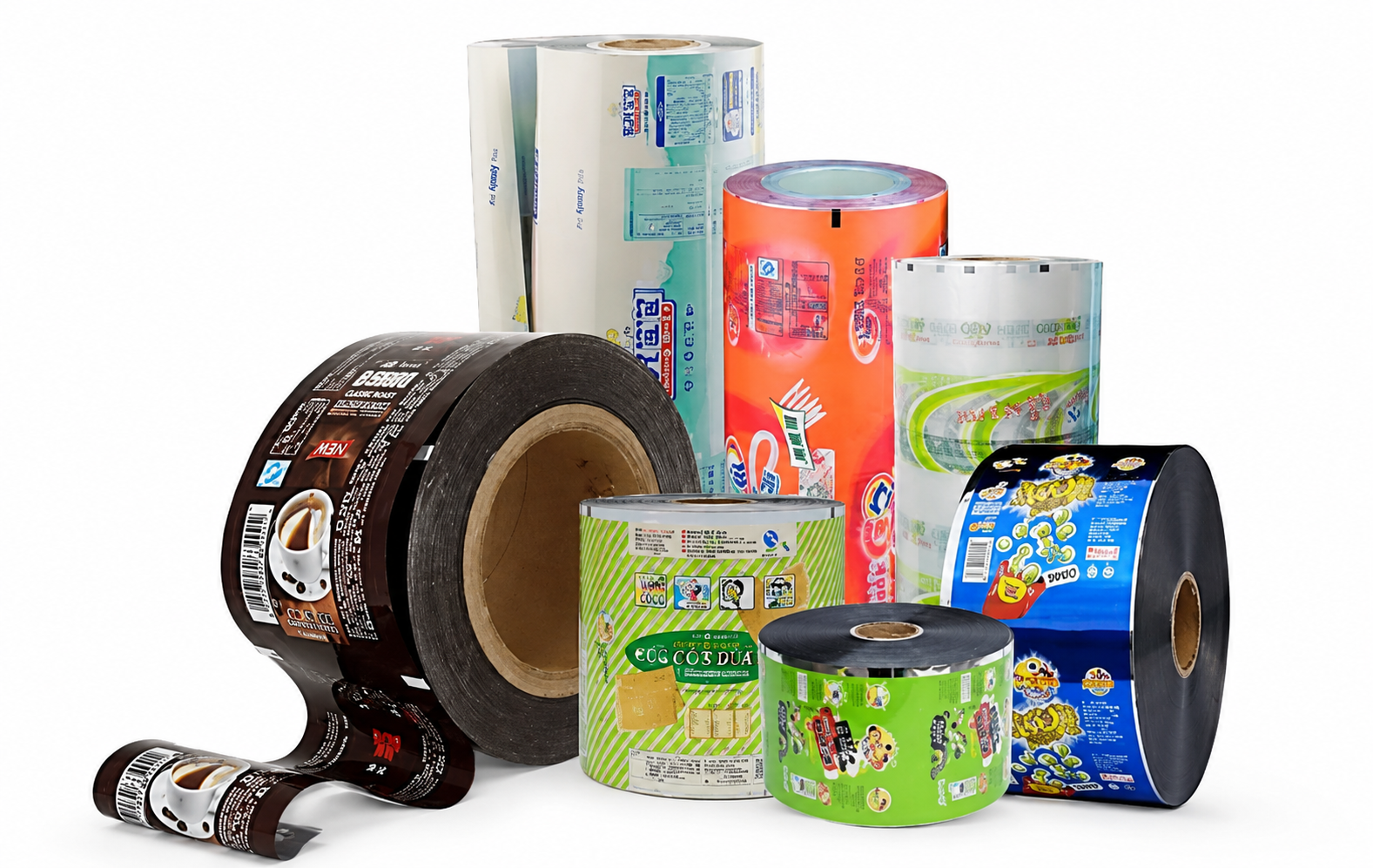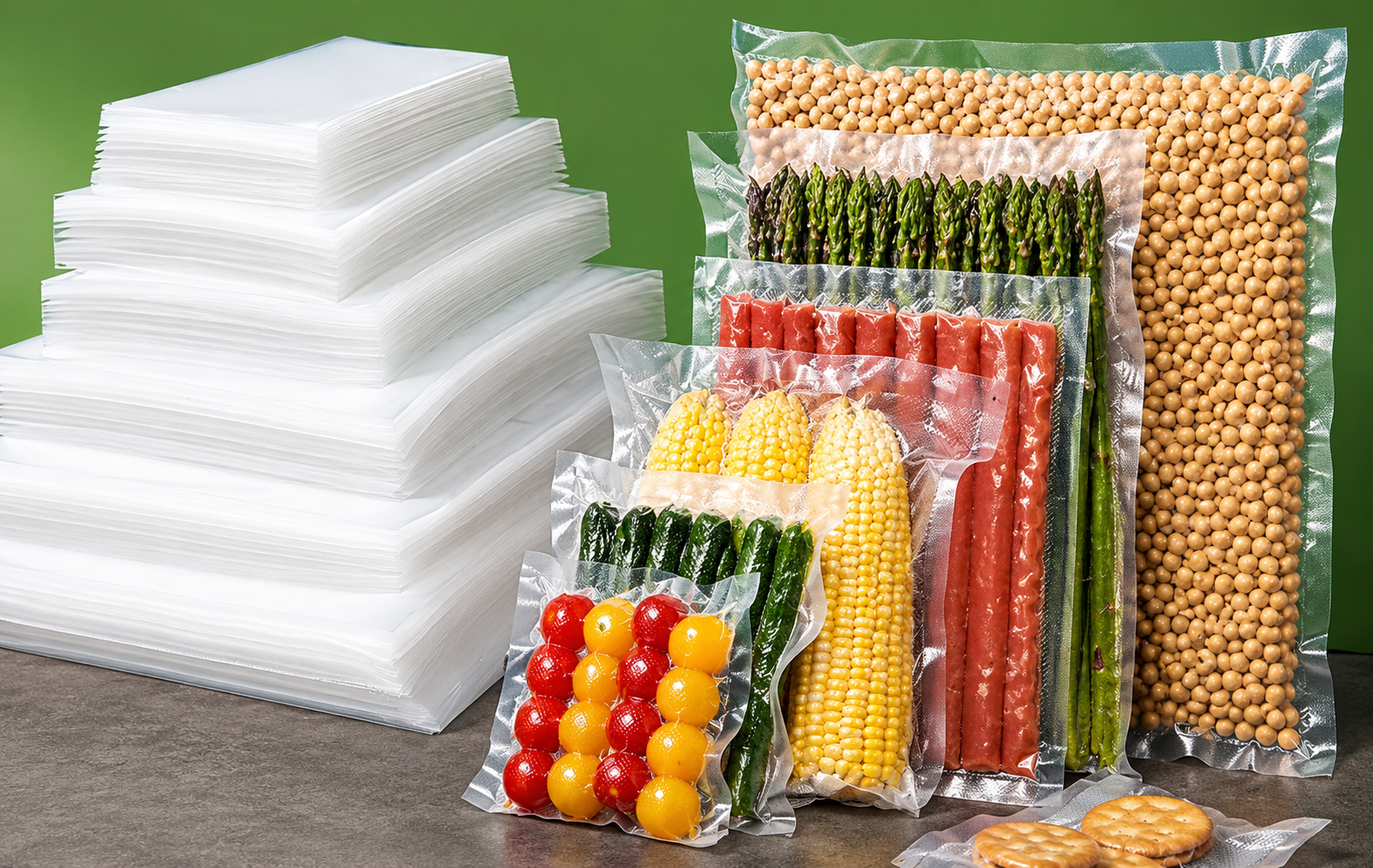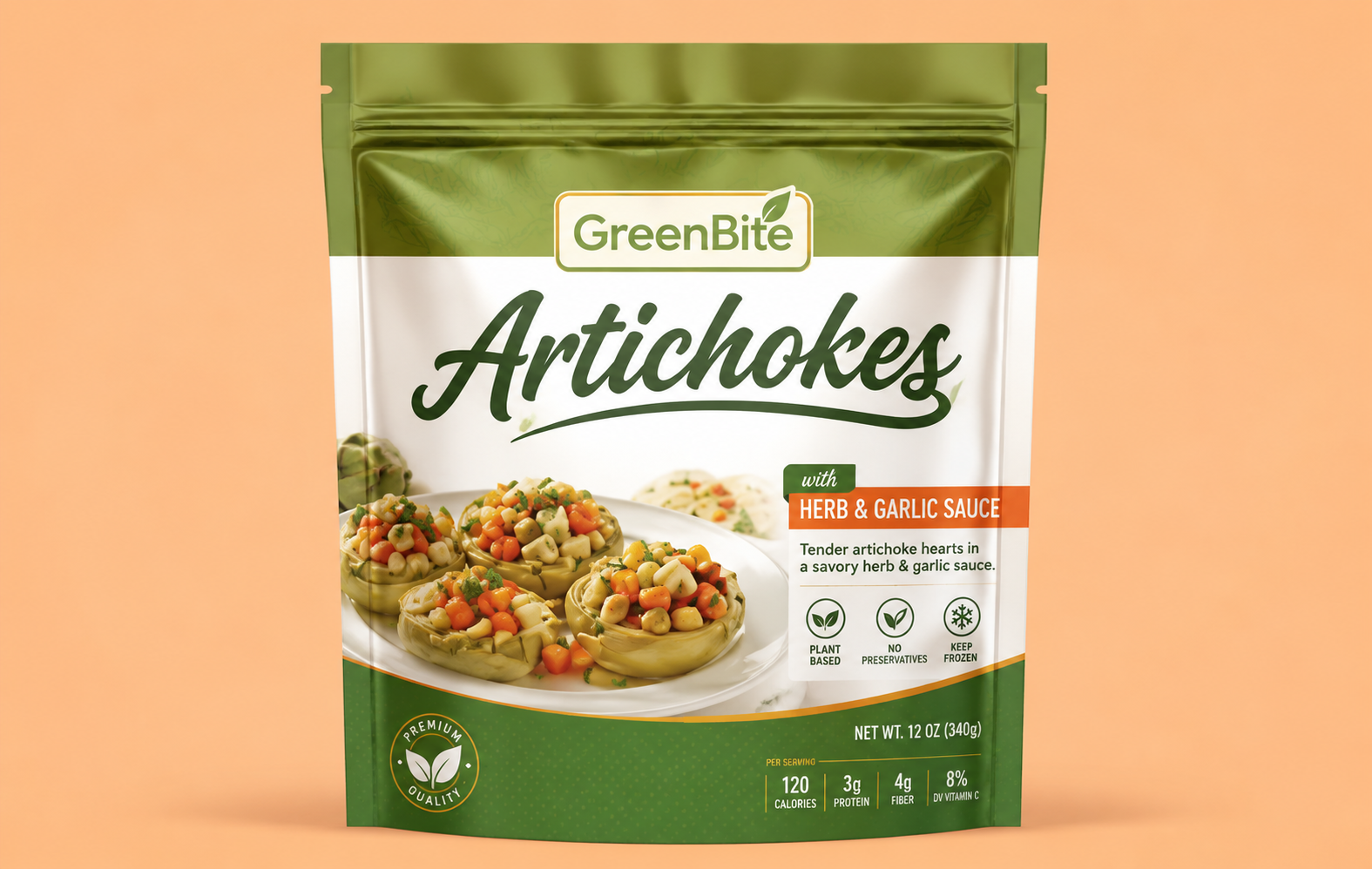

What Is a Retort Pouch?
A retort pouch is a flexible package made for high-temperature sterilization after filling and sealing. It needs to hold its seal strength, film structure, and lamination bond during heat, pressure, and moisture inside the autoclave.
Compared with a regular food pouch, the key difference is the material system. Retort pouches require heat-resistant layers, retort-grade adhesive, and a suitable inner sealant layer to survive the sterilization process.
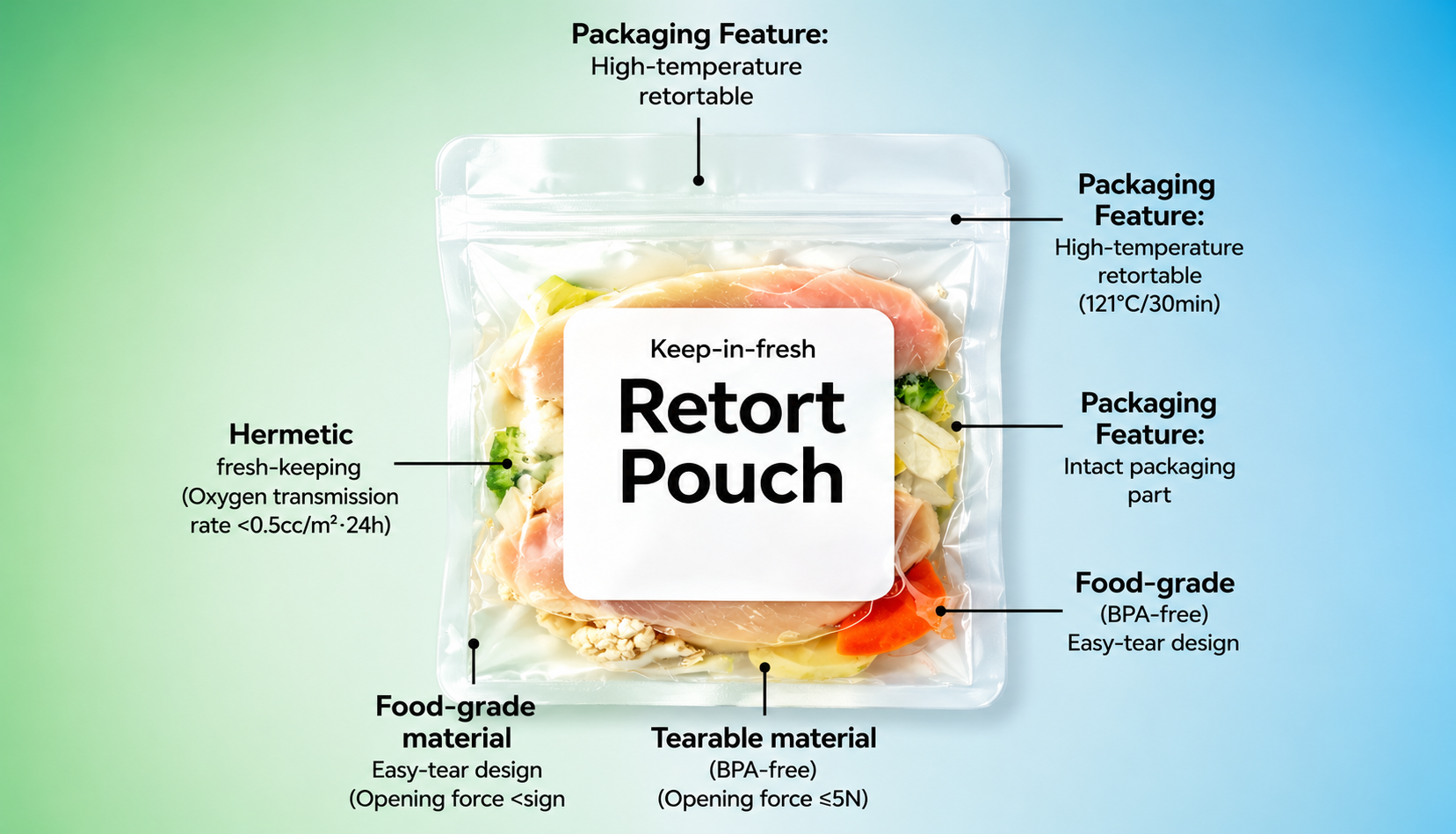
One-Stop Retort Pouch Manufacturer in China
EHAI Packaging has been making flexible packaging in Dalian, China since 2002. As a custom retort pouch manufactuer, our factory in Zhuanghe handles printing, lamination, slitting, and finished pouch production. Retort lamination uses a two-component polyurethane adhesive system selected for autoclave conditions — a different adhesive category from what we use for ambient or frozen packaging structures.
We work with food manufacturers, pet food brands, seafood processors, and sauce producers who need retort packaging with consistent film quality across production runs. Samples are available before any order. Send us your sterilization temperature, shelf life target, and product type and we’ll recommend the right structure.
Retort Pouch by Application
Different retort-packed products need different structures, sealing strength, and sterilization performance. Below are common applications and the key points we check before production.
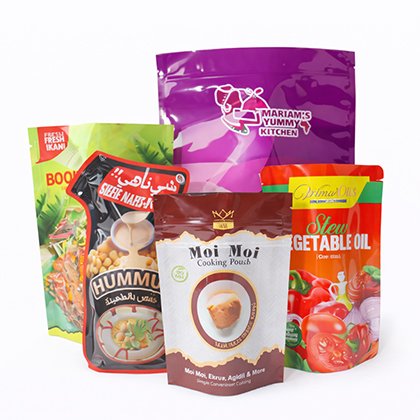 Ready Meal Retort Packaging
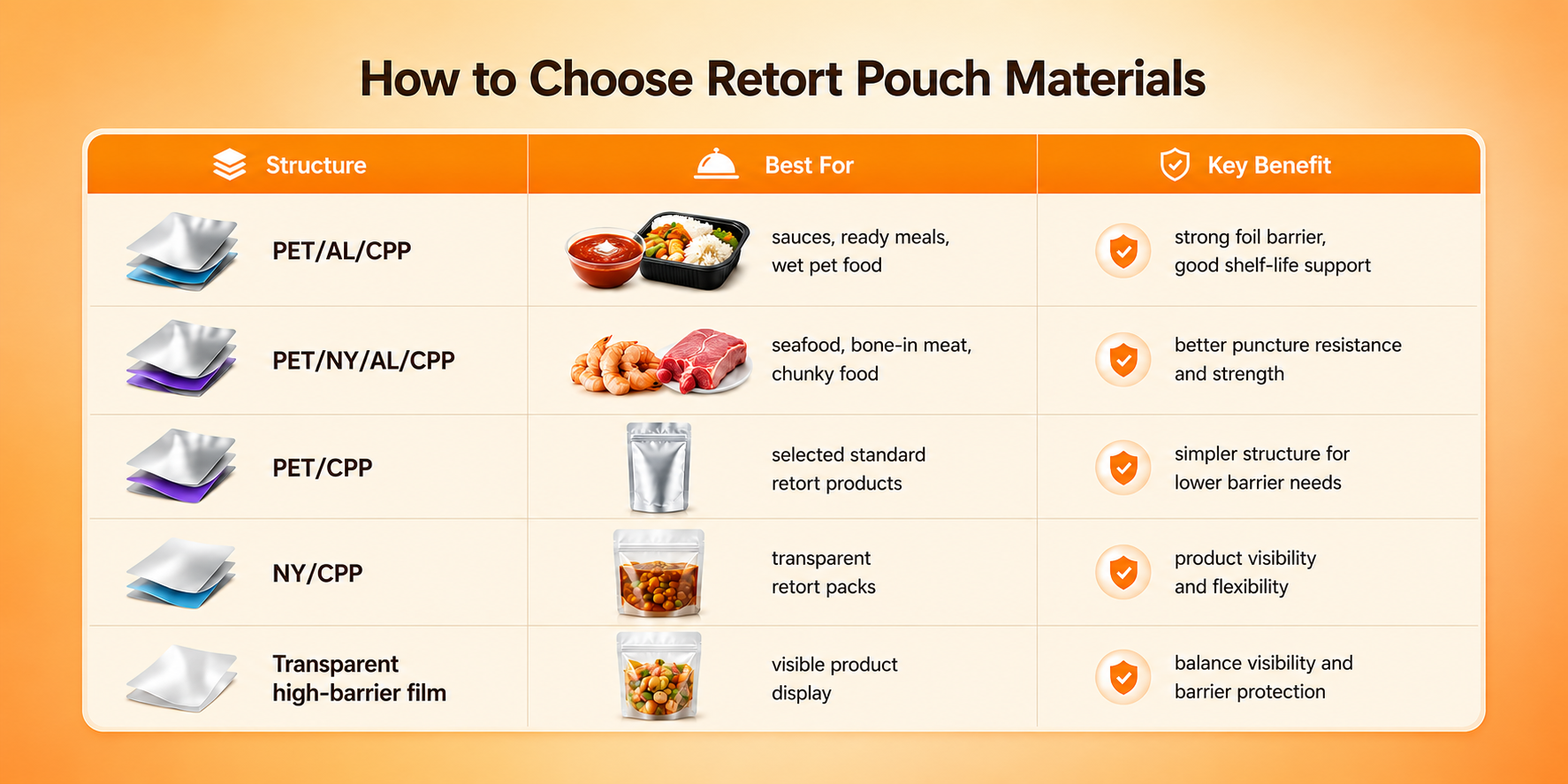
For ready meals, rice dishes, curries, and stews, the pouch needs to handle heat, pressure, oil, sauce, and product weight after filling. We help choose the pouch format and material structure based on filling method, sterilization process, and shelf-life target.
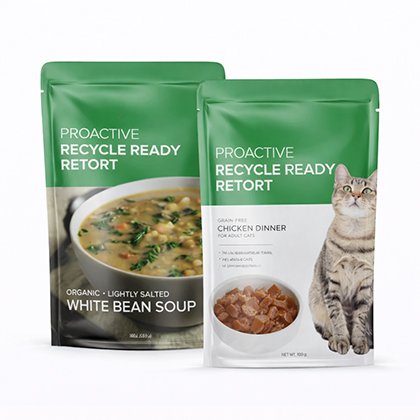 Pet Food Retort Packaging
Wet pet food often requires strong barrier performance, stable sealing, and reliable pouch strength after sterilization. For cat food, dog food, and fish-based formulas, we help match the structure to product texture, storage period, and market requirements.
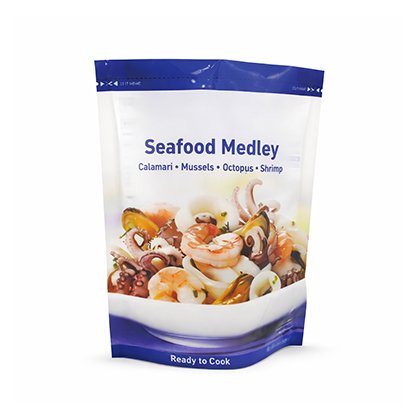 Seafood Retort Packaging
Seafood products may contain moisture, bones, shells, or harder pieces that increase puncture risk during sterilization and transport. We help review whether a nylon-added structure is needed for better strength and safer retort performance.
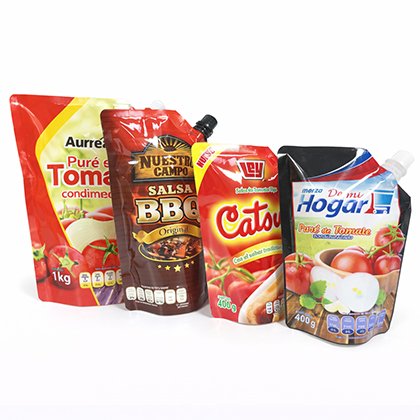 Sauce and Condiment Retort Packaging
Sauces, curry pastes, marinades, and liquid condiments usually need good sealing and clean filling performance. Flat, stand-up, or spouted retort pouches can be selected according to viscosity, filling equipment, retail display, and serving method.
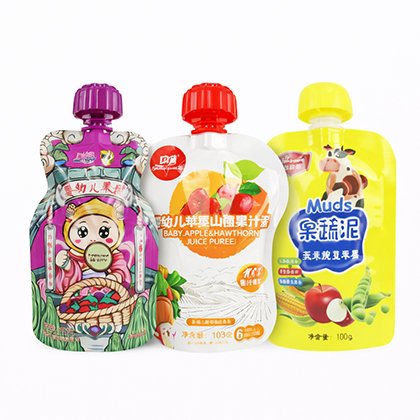 Baby Food Retort Pouch Packaging
Baby food packaging needs clean materials, stable sealing, and clear compliance requirements. For fruit purees, vegetable purees, and mixed meals, we help choose retort pouch structures based on food contact standards, sterilization conditions, and product visibility.
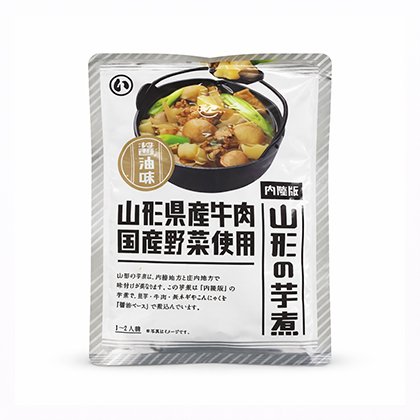 Outdoor and Military Ration Retort Pouch Packaging
Outdoor meals and ration packs usually need stronger structures, longer shelf life, and reliable performance under tougher storage and transport conditions. We help review sterilization temperature, barrier needs, and pouch strength before recommending the final structure.
Retort Pouch Customization Options
We can adjust retort pouch structure, format, size, and print to match your sterilization process and product requirements.

PET/AL/CPP, PET/NY/AL/CPP, PET/CPP, and NY/CPP structures can be selected based on sterilization temperature, shelf-life target, barrier needs, and product texture.

Flat pouches, stand-up pouches, spouted pouches, and shaped pouches are available for different filling lines, retail display styles, and end-use needs.

Pouch size, gusset, and total thickness are adjusted according to product weight, filling volume, sterilization process, and handling conditions.

Rotogravure printing, matte finish, gloss finish, and food packaging artwork can be customized before lamination for better print protection.

Tear notch, rounded corners, spout fitment, hanging holes, and shaped cuts can be added based on product use and retail channel.

Please share your retort temperature and time, such as 121°C, 130°C, or 135°C, so we can check the suitable material and sealant structure.
Flexible Features for Different Uses
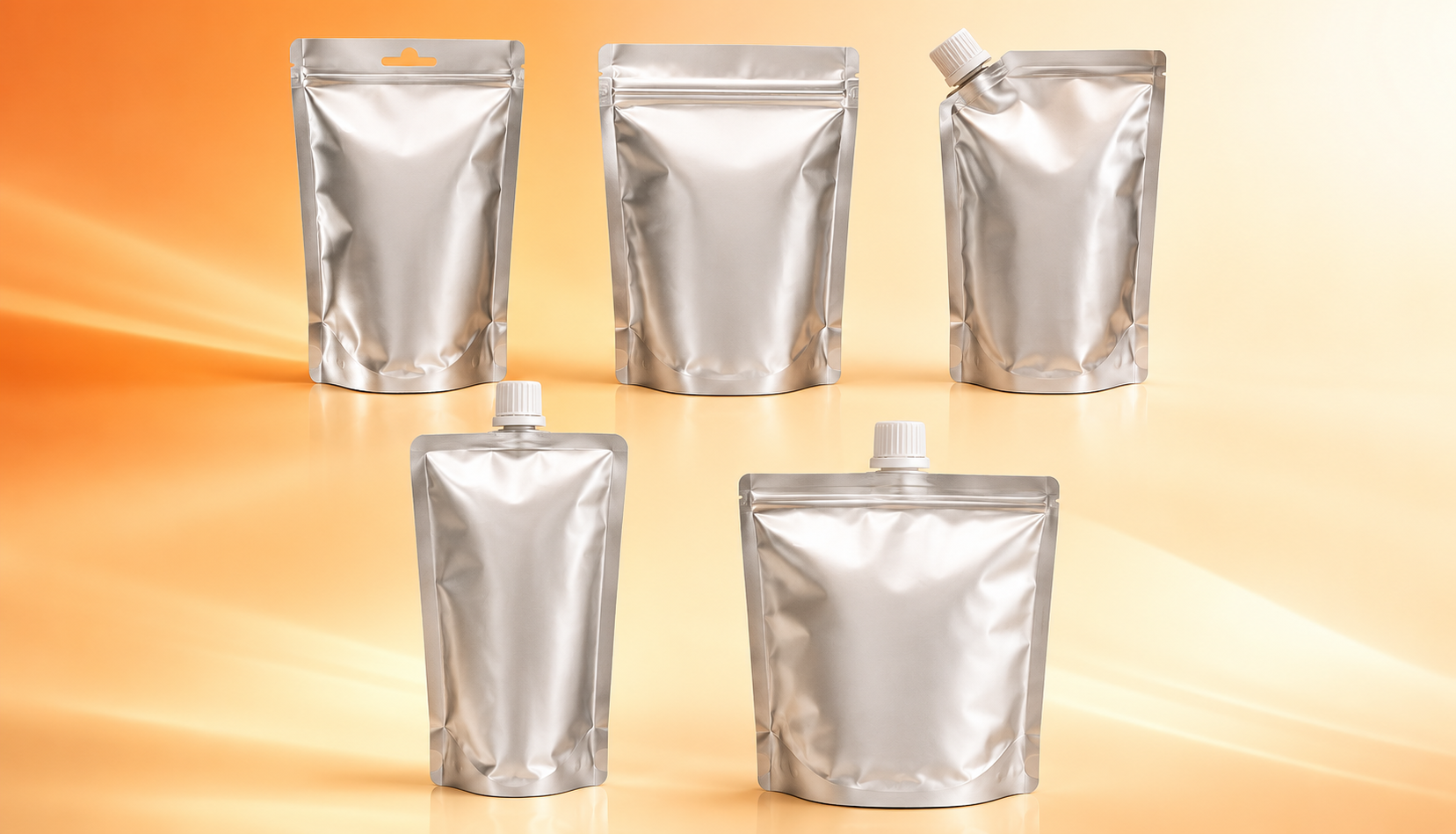
Retort pouches can be designed with tear notches, hang holes, rounded corners, stand-up bottoms, spouts, or shaped formats based on how your product is filled, displayed, opened, and used.
A spout can make sauces, baby food, and liquid products easier to pour or squeeze, while flat and stand-up formats are often used for ready meals, pet food, seafood, and shelf-stable food packs.
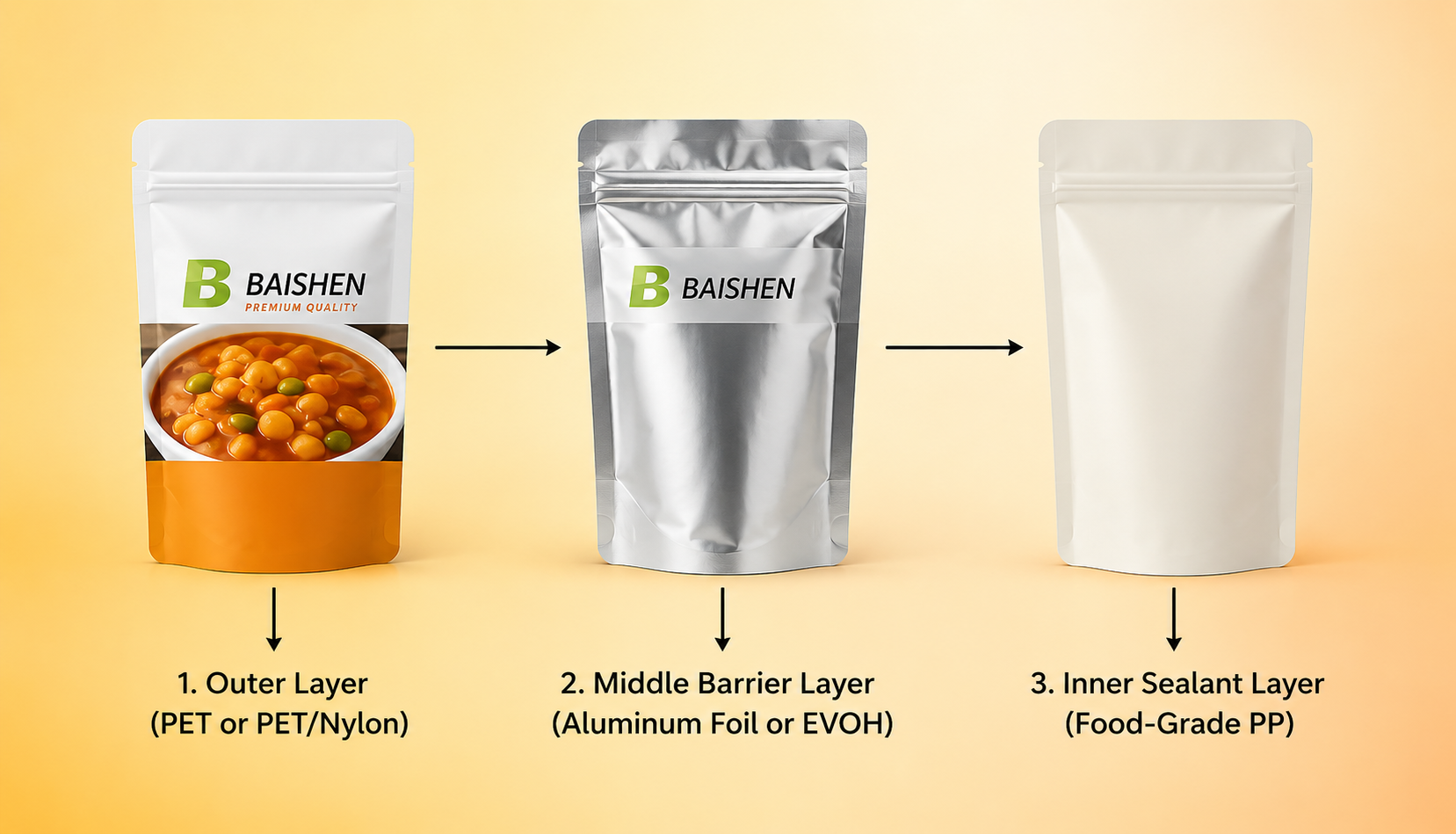
Three Layers for Cleaner Sealing and Stronger Protection
A retort pouch is not made from one single film. It combines different layers so the bag can handle sterilization, storage, and food contact at the same time.
The outer layer supports printing and pouch strength. The middle barrier layer helps protect the product from oxygen, moisture, and light. The inner food-grade PP layer touches the product directly and forms the heat seal.
When these three layers are matched properly, the pouch can stay cleaner, seal more reliably, and better protect the product after high-temperature retort processing.
Retort Pouch Cases We Help Solve
Retort pouch problems usually appear after sterilization, not when the empty bag looks good. These cases show how we adjust pouch structure, sealing details, barrier level, and printing method based on real product conditions.
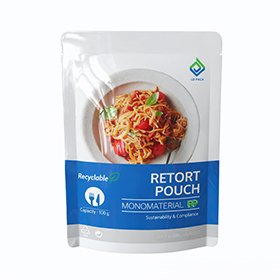
A ready-to-eat food manufacturer needed packaging bags for their rice and sauce products. Their primary concern was the sealing stability of the bags after high-temperature sterilization. We recommended a material structure that remained stable after heating, resulting in packaging that perfectly met their requirements.
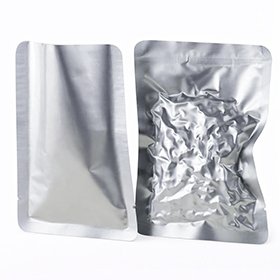
A wet pet food brand needed high-temperature sterilization packaging bags for its meat and fish formula products. Due to the high moisture and oil content of their products, we adjusted the bag structure, sealing area, and thickness based on the product characteristics. The final packaging solution was perfect and highly praised by the client.
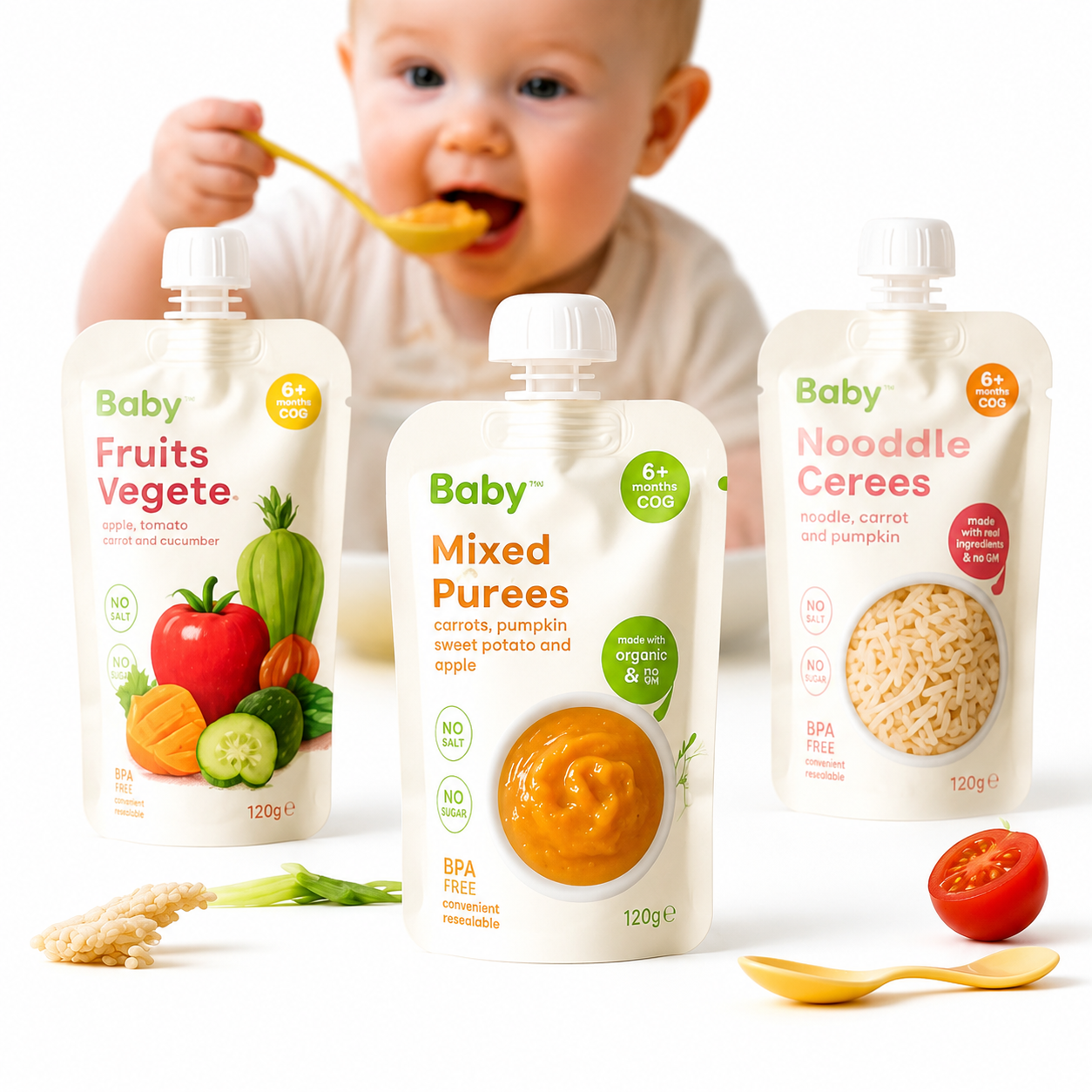
An infant food brand needed high-temperature sterilization bags for its fruit and vegetable puree products. For this type of project, we focused on food-grade lining materials, stable sealing after sterilization, and practical packaging details such as spout design or easy-tear opening. The final packaging bags help keep the product safe, clean, and convenient for daily feeding.
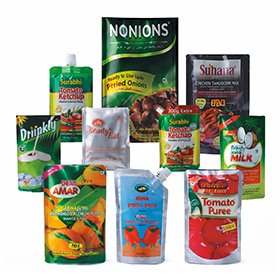
A sauce buyer needed high-temperature sterilization bags for storing liquid condiments and curry sauces.We assisted the client in selecting a practical bag size, focusing on design considerations such as pouring ease, shelf display, and sealing reliability. The final bags facilitated daily filling and resulted in a more consistent product display on retail shelves.
Some retort pouches can be designed for microwave use, but foil structures are not suitable for microwave heating. If microwave use is required, please tell us in advance so we can review transparent or microwave-compatible material options.
In most cases, zippers are not recommended for retort sterilization because they may not stay stable under high heat and pressure. For retort products, tear notch, spout, or easy-open design is usually more practical.
Printing may change after retort sterilization because the pouch goes through high temperature, moisture, pressure, and cooling. Some ink colors, especially light colors or special spot colors, may look slightly different after the retort process.
Shelf appearance can be affected by pouch stiffness, product filling amount, retort tray loading, cooling process, and pouch format. If retail display matters, sample testing should check not only leakage, but also flatness, wrinkles, and standing stability.
Yes. Trial batches are useful before mass production, especially for new products or new sterilization processes. Small-batch testing can help check pouch structure, seal strength, appearance, product taste, and shelf-life performance.