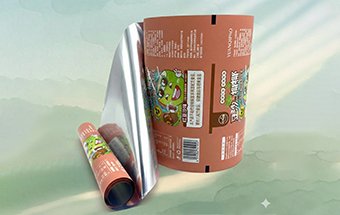
Your Printing Method Affects Cost, Colour, and Repeat Orders
Your printing method affects more than appearance. It decides setup cost, colour stability, artwork detail, lead time, and whether repeat orders can stay visually consistent.
A method that works well for a small trial order may not be the best choice for long-term repeat production. The right decision should match your artwork complexity, expected order volume, and how often the design may change.
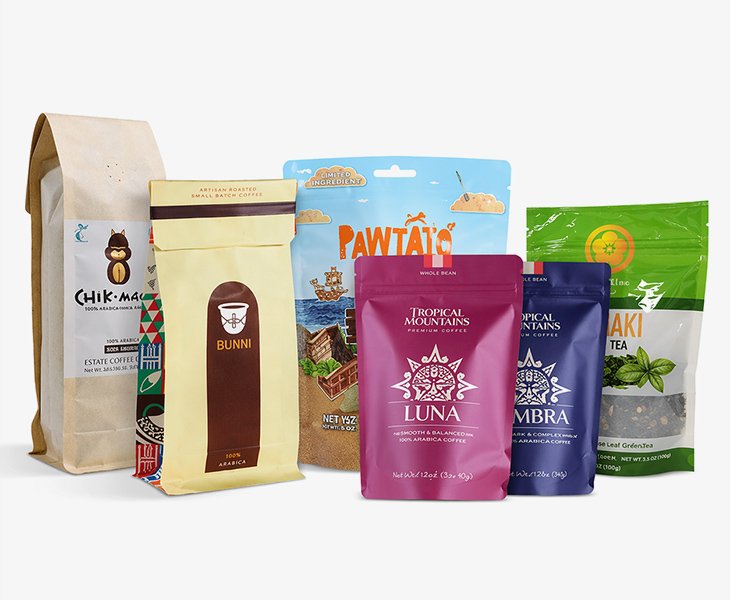
Gravure Printing vs Flexographic Printing
Gravure and flexographic printing differ in setup cost, colour consistency, artwork flexibility, and repeat-order performance. The right choice depends on your order volume, design complexity, and long-term production plan.
Gravure printing is usually used for high-volume orders, stable artwork, and repeat SKUs. It offers better colour consistency, fine detail, and strong long-run stability, but the cylinder cost is higher and setup takes longer.
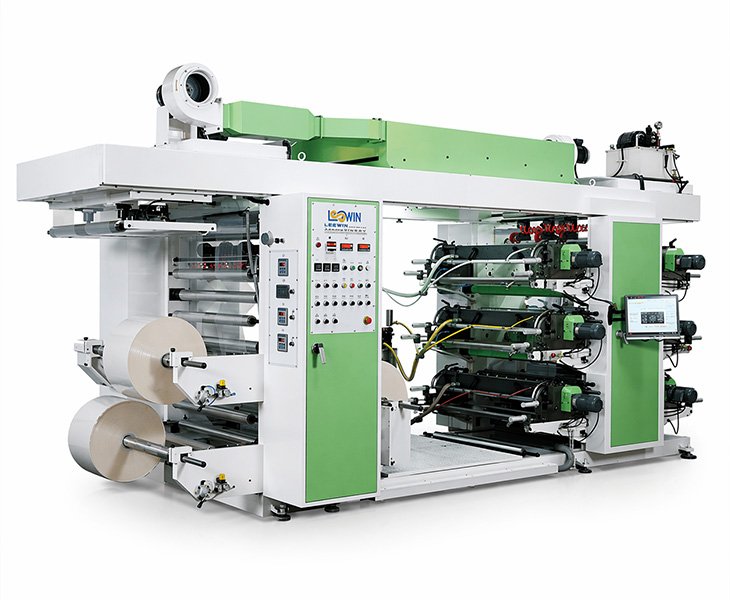
Flexographic printing is more flexible for smaller runs, trial orders, and designs that may still change. It usually has lower plate cost and faster setup, but it may be less suitable for fine gradients, photos, or strict colour matching.
Artwork Details That Affect Printing Quality
The gap between what looks right on screen and what comes off the press is where most pre-production problems live. A few points that come up regularly in our artwork review process:
 Colour Mode
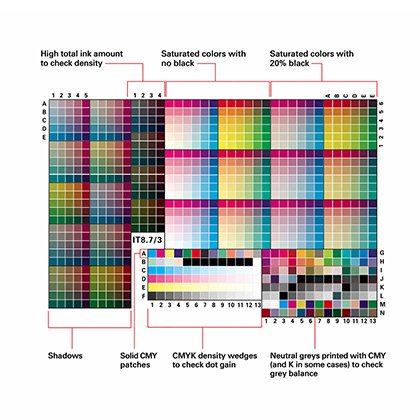
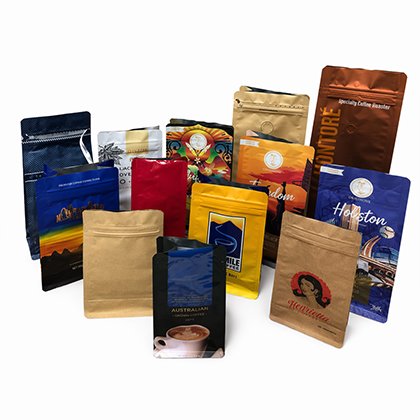
Flexible packaging printing uses CMYK, not RGB. Files built for screen display may shift after conversion, especially bright blue, green, and orange. Use CMYK from the start, and add Pantone references when a brand colour needs closer matching.
 Sealing Areas
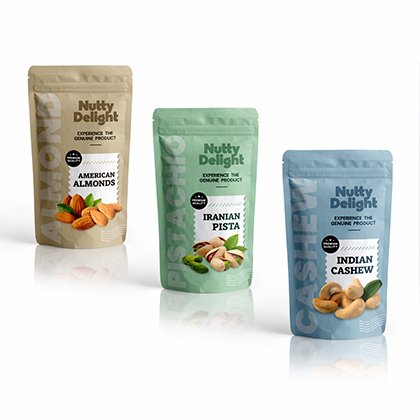
Top seals, side seals, bottom seals, zipper areas, and tear notches are not normal print areas. Important text, logos, or barcodes placed there may be hidden or distorted during heat sealing.
 Safe Zones and Bleed
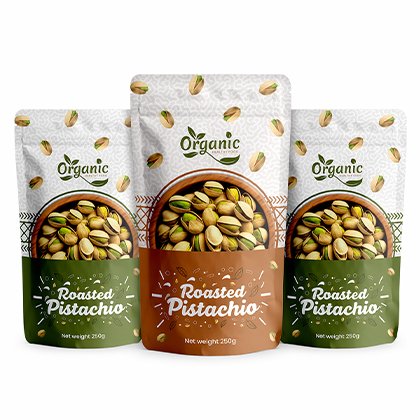
Key content should stay inside the safe area, while background artwork should extend into the bleed area. Missing bleed is easy to fix early, but it can delay approval if found after layout review.
 Fine Detail
Very small text, thin lines, and delicate patterns may not print clearly on every method. Flexo usually needs more caution with fine details than gravure.
 Colour Count
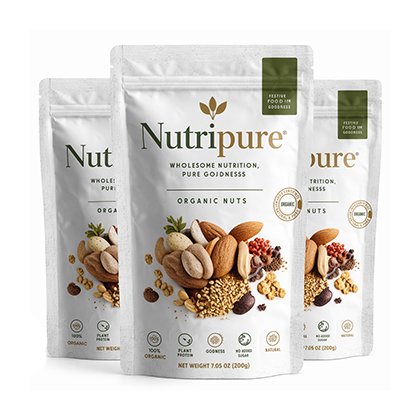
Each colour usually needs its own cylinder or plate. A high colour count can increase setup cost, so similar shades may sometimes be adjusted or merged before production.
 Registration
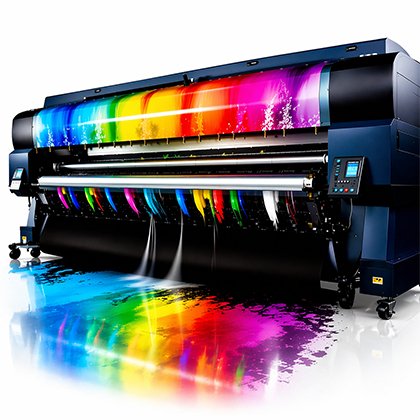
Multi-colour printing involves alignment between colour layers. Designs with tight colour overlaps, fine borders, or small reversed text should be checked for registration risk.
What to Prepare Before Printing
To reduce delays before production, prepare the following files and details:
Print-ready PDF or AI file
Correct bag dimensions and dieline
CMYK colour setup
Pantone references if exact colour matching is needed
Fonts outlined or embedded
Images at least 300 dpi at actual print size
Bleed and safe area included
Clear notes for front, back, gusset, zipper, and seal areas
Physical sample if colour matching is required
Whether Your File Is Ready or Not, Start with the Right Check
If your file is production-ready, it should be checked against the confirmed dieline, seal areas, bleed, colour setup, and registration-sensitive details before plate or cylinder production.
If your file is not ready yet, the most common corrections involve RGB colour mode, missing bleed, low-resolution images, wrong dieline, unoutlined fonts, or artwork placed inside sealing zones.
No file should move to plate or cylinder production until the proof is confirmed.
Depends on how they were built. Screen and offset files often need adjustments for flexible packaging — colour mode, resolution, safe zones, bleed. Send what you have and we’ll tell you specifically what needs to change before it’s production-ready.
Most runs are between four and eight colours. More is possible, but each colour adds a cylinder or plate and increases setup cost. If the colour count is high, it’s worth reviewing whether any shades can be consolidated before committing to plates.
It depends on bag size, structure, and colour count — there’s no single number. Gravure makes more economic sense at higher volumes. For smaller runs, flexo is usually the better starting point. Share your volume and design and we’ll give a direct comparison.
Close, but not identical. RGB screens and CMYK printing render colour differently. Pantone referencing and proper colour management close most of the gap. If you need the closest possible match, a physical proof is more reliable than screen approval.
Yes, but for gravure it means new cylinders — which resets the setup cost. For flexo, new plates are needed but at lower cost. If artwork changes are likely between orders, that’s worth factoring into the method decision before the first run.
PDF is standard. Illustrator files generally work too. CMYK, correct dimensions, fonts outlined or embedded, on the right dieline. If you’re unsure about any of these, send the file and we’ll check it.
Yes. Front, back, and gusset panels are all printable depending on the format. The dieline shows the full printable area. Seal zones and fold lines are not print areas.
Cylinders or plates go into production. We confirm lead time at that point. A physical production sample is typically available for review before the full order ships.