

Why Choose EHI Packaging
Seafood Packaging Built Around Your Process
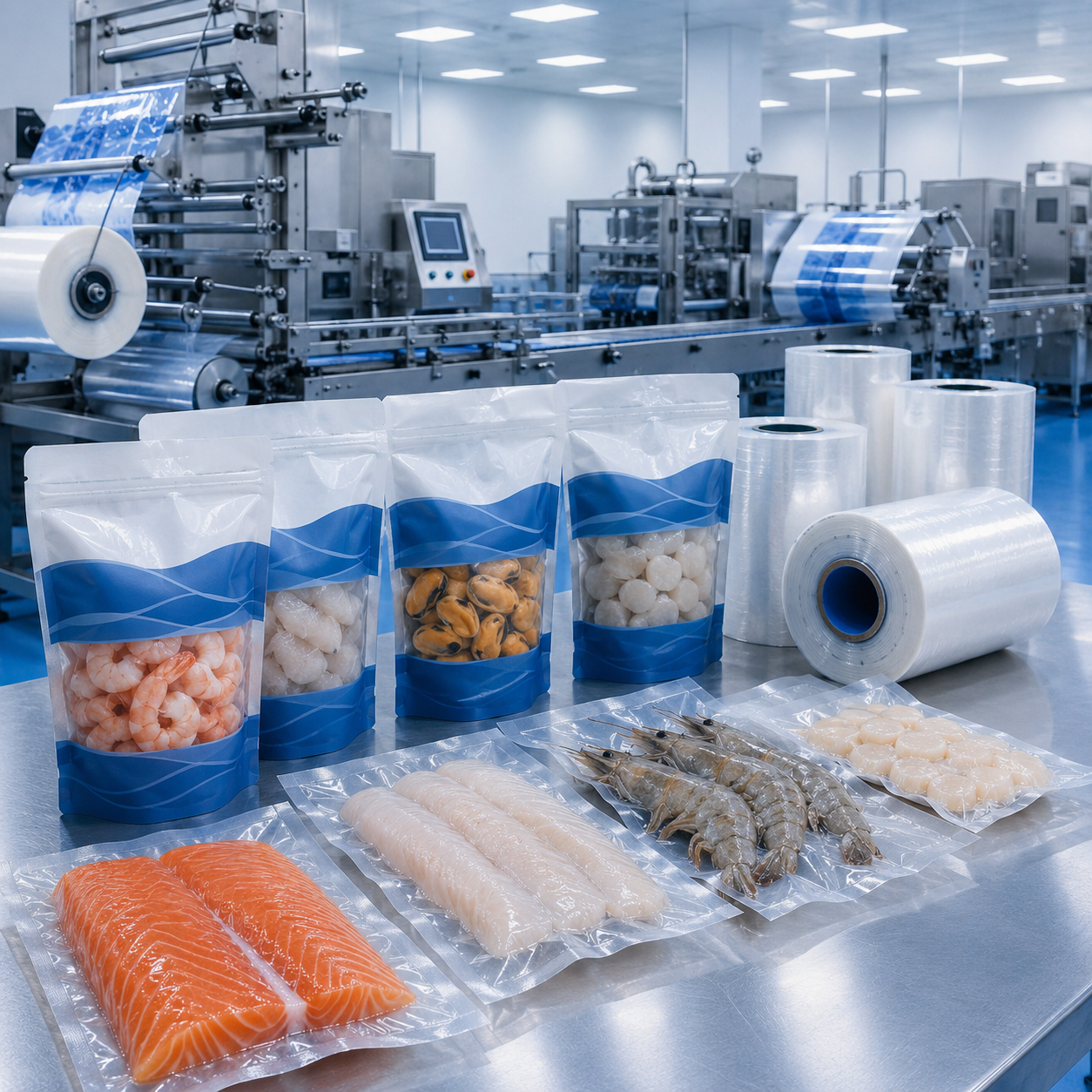
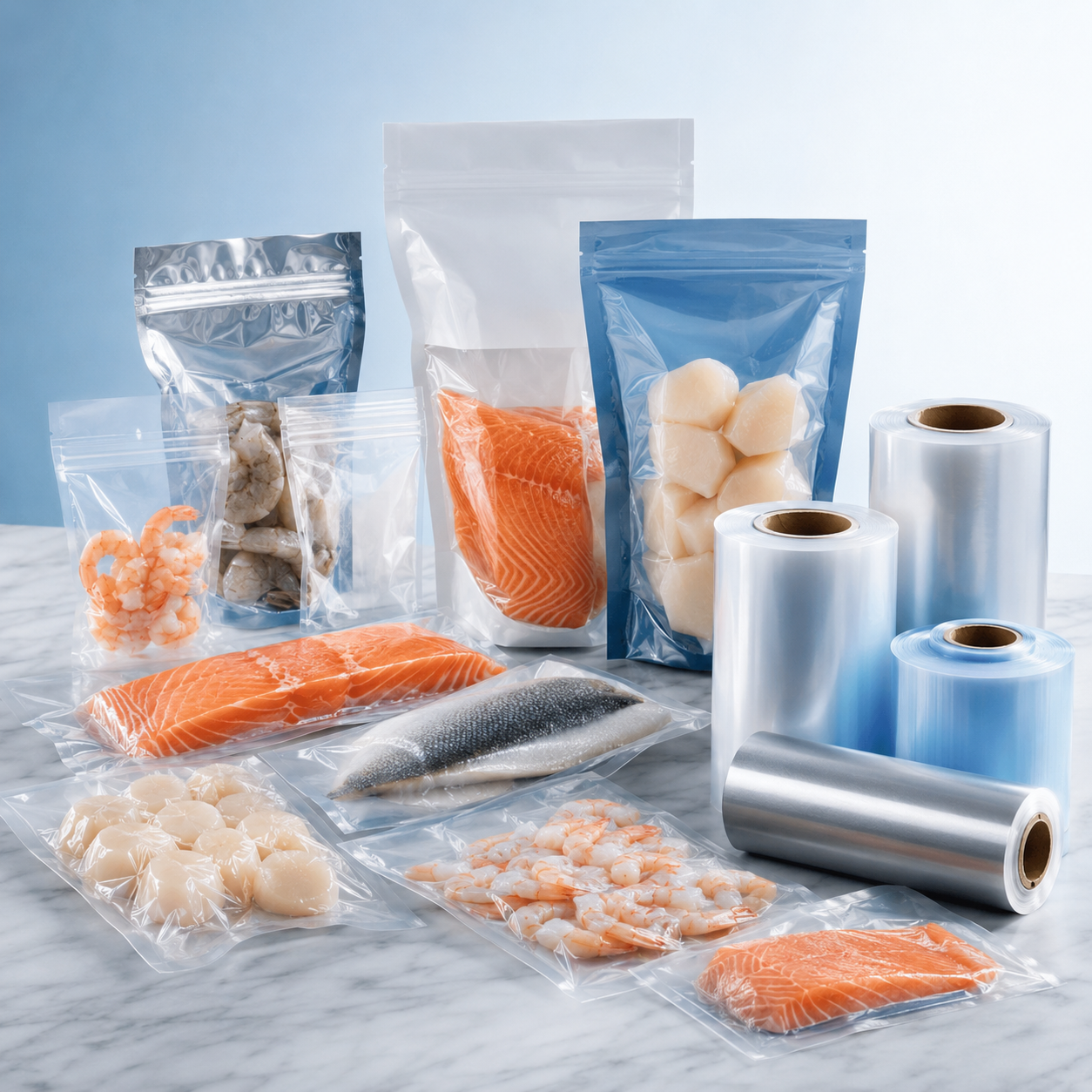
· Bag formats and rollstock selected around your filling and sealing process
· Material recommendations based on the seafood, storage conditions, and shelf-life target
· Extra attention to sharp shells, bones, frozen edges, and seal-area contamination
· Repeat orders made to the specification and converting details you approve
Choosing a Seafood Packaging Format
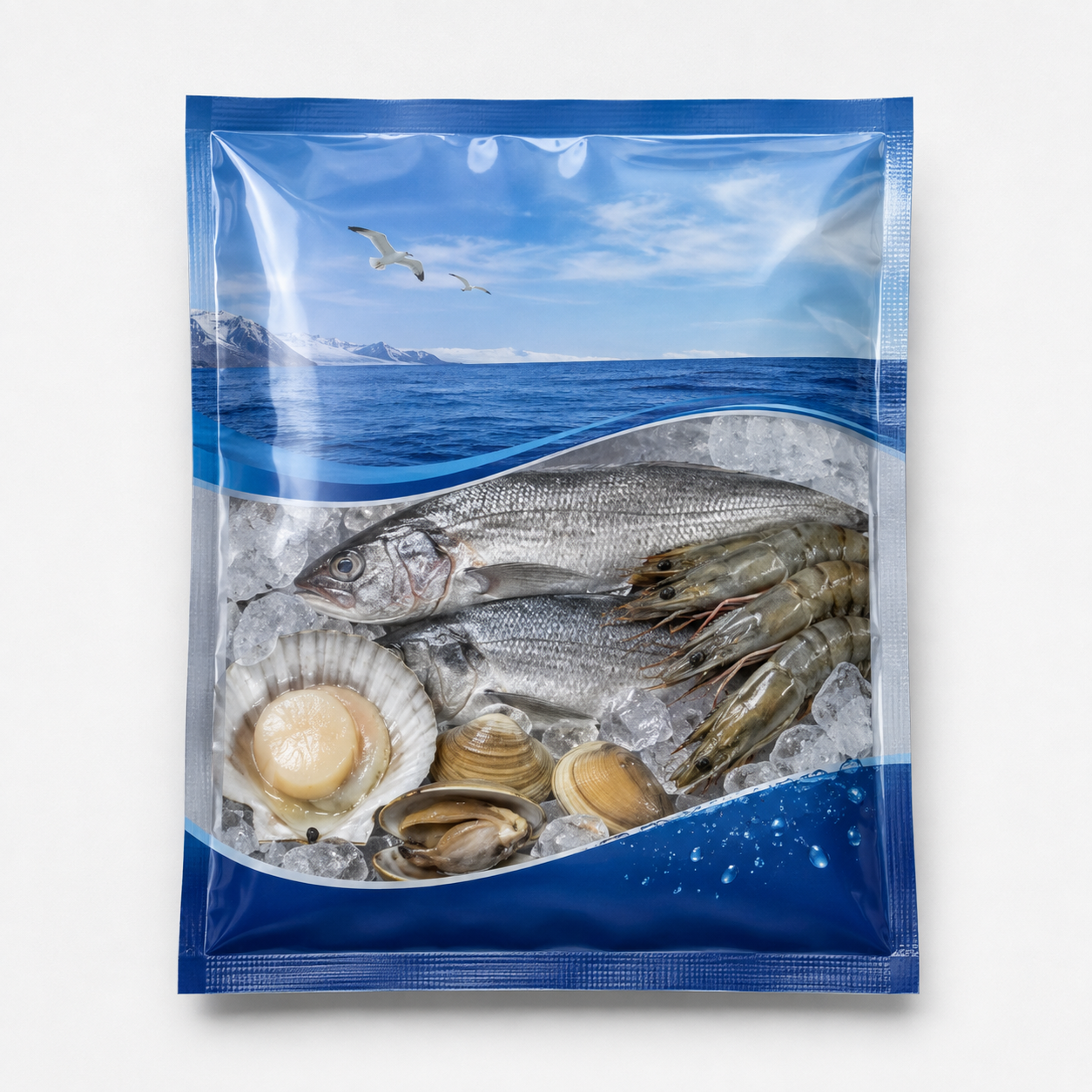
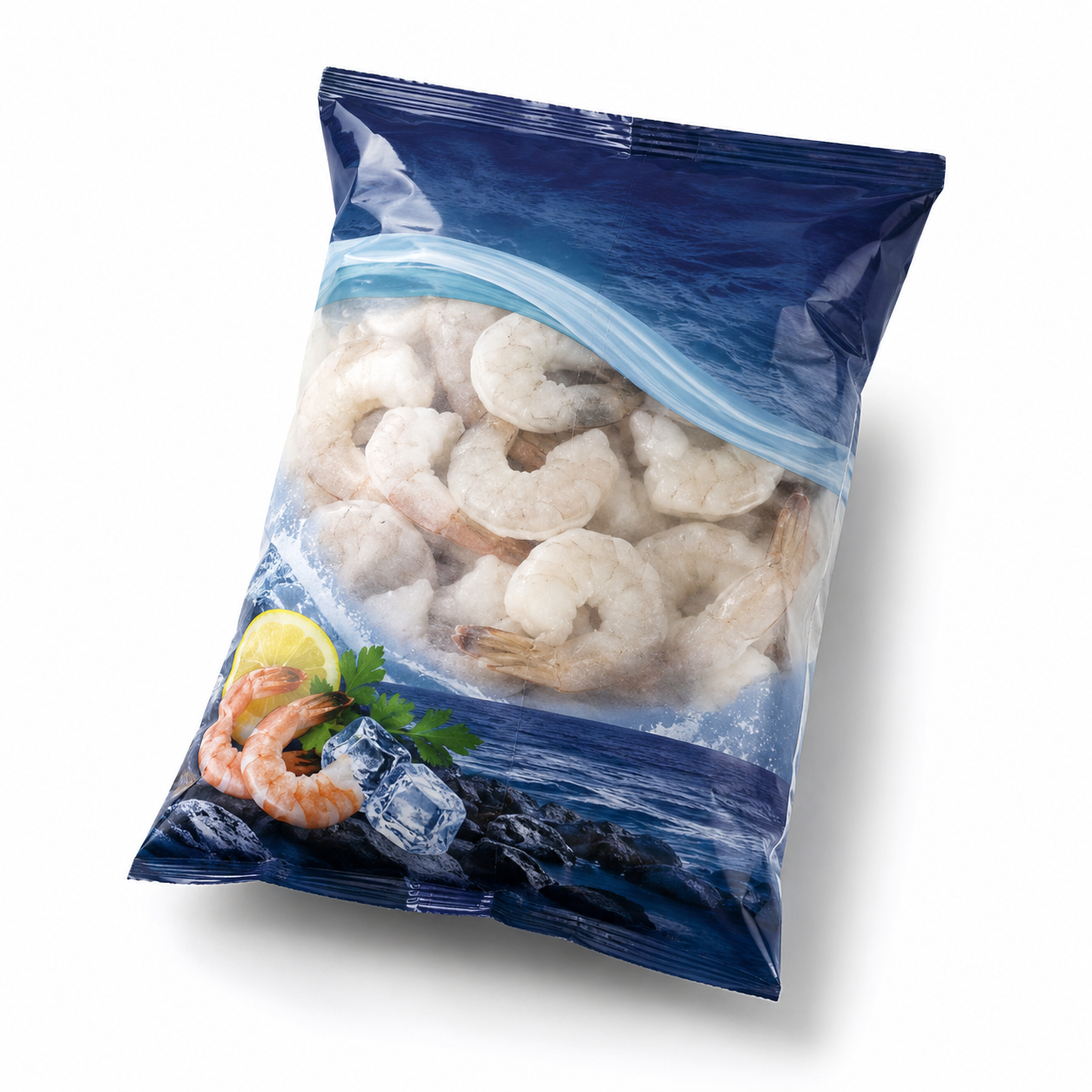
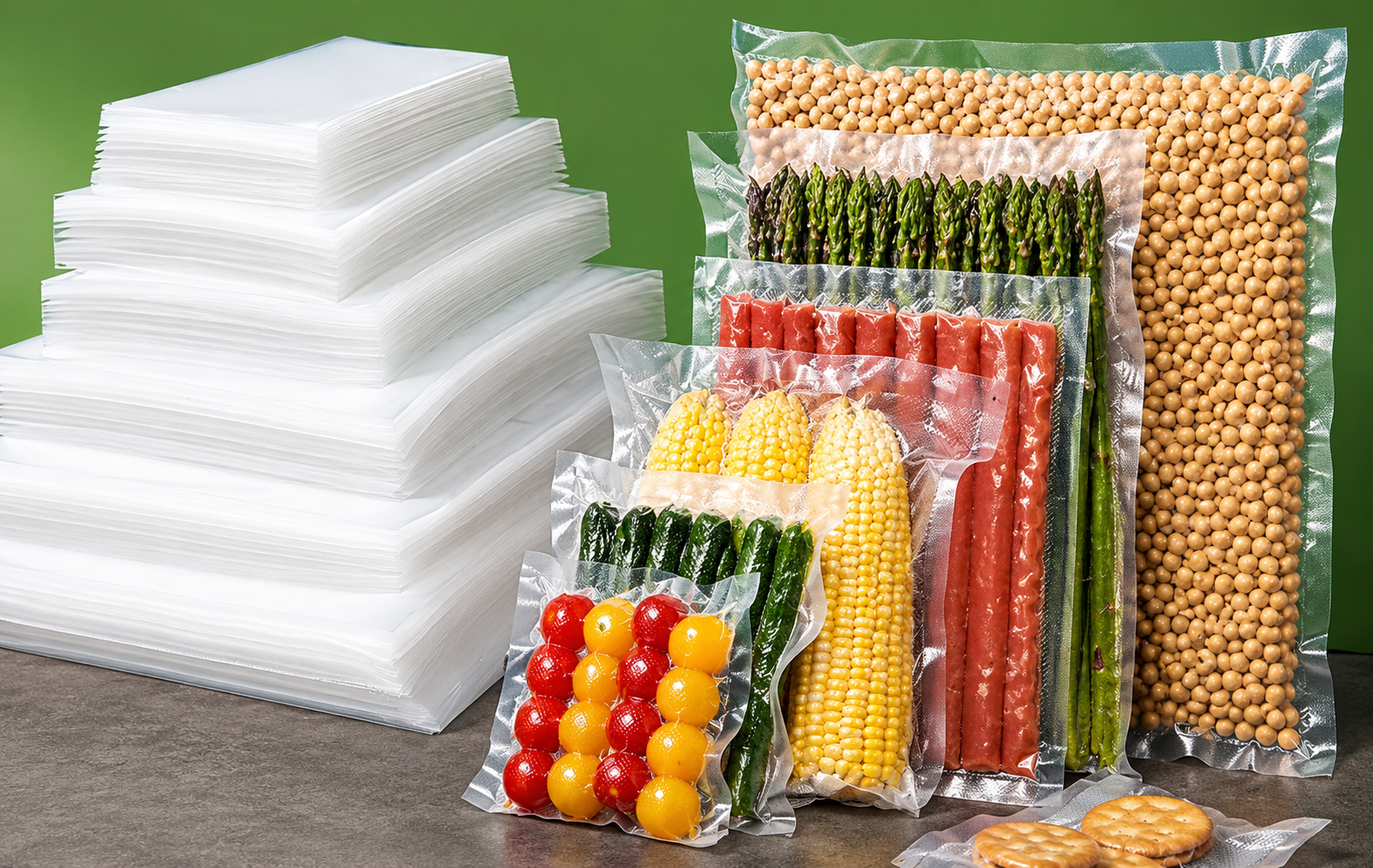
A back-seal bag has a vertical seam running down the back. Tell us whether you need premade bags or film for a form-fill-seal line.
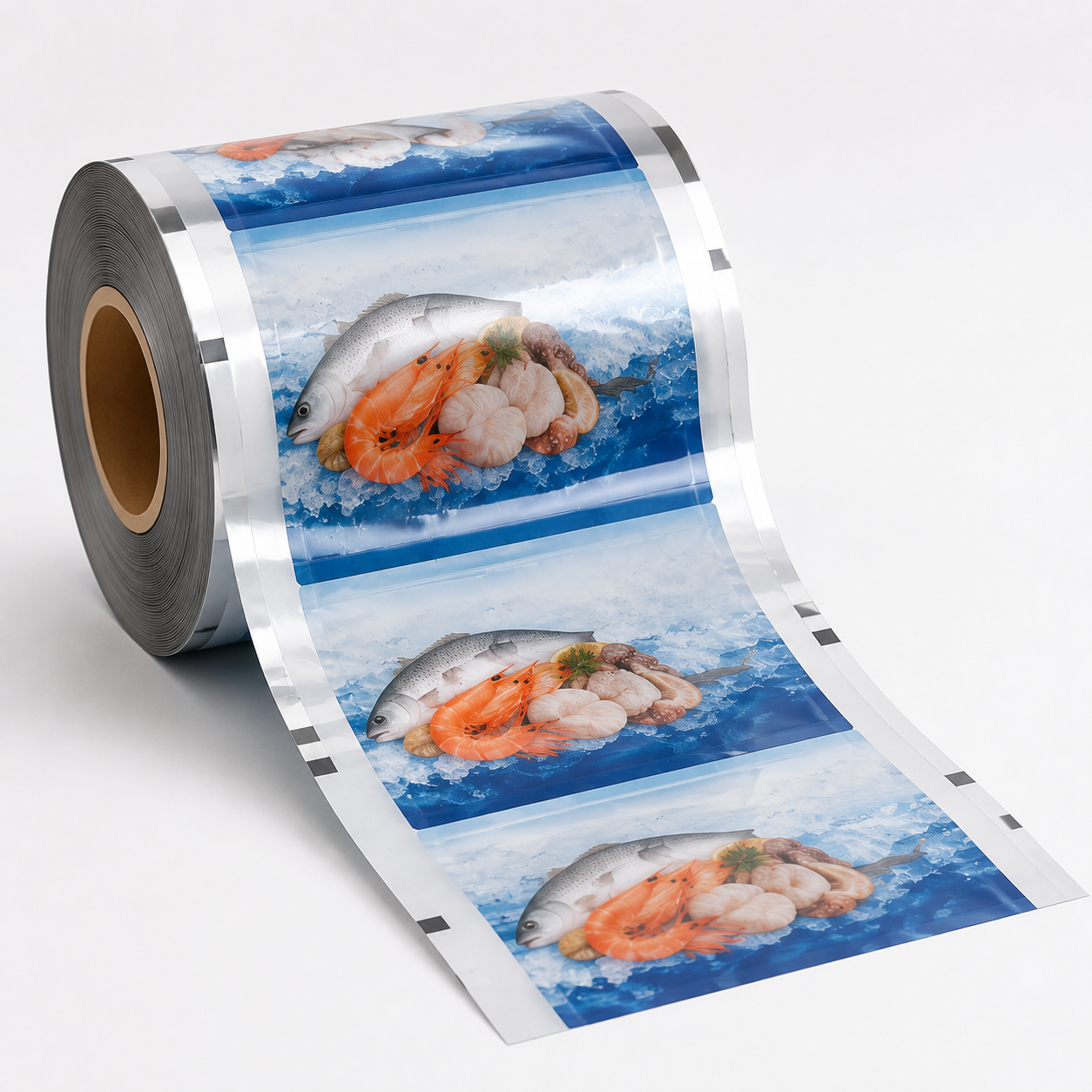
For rollstock, send your machine model, web width, repeat length, eye-mark position, unwind direction, and sealing settings.
Seafood Packaging Options
Your filling, sealing, and storage process helps determine the packaging structure. Tell us whether you use heat sealing, vacuum, MAP, or retort so we can plan the first trial around your actual conditions.
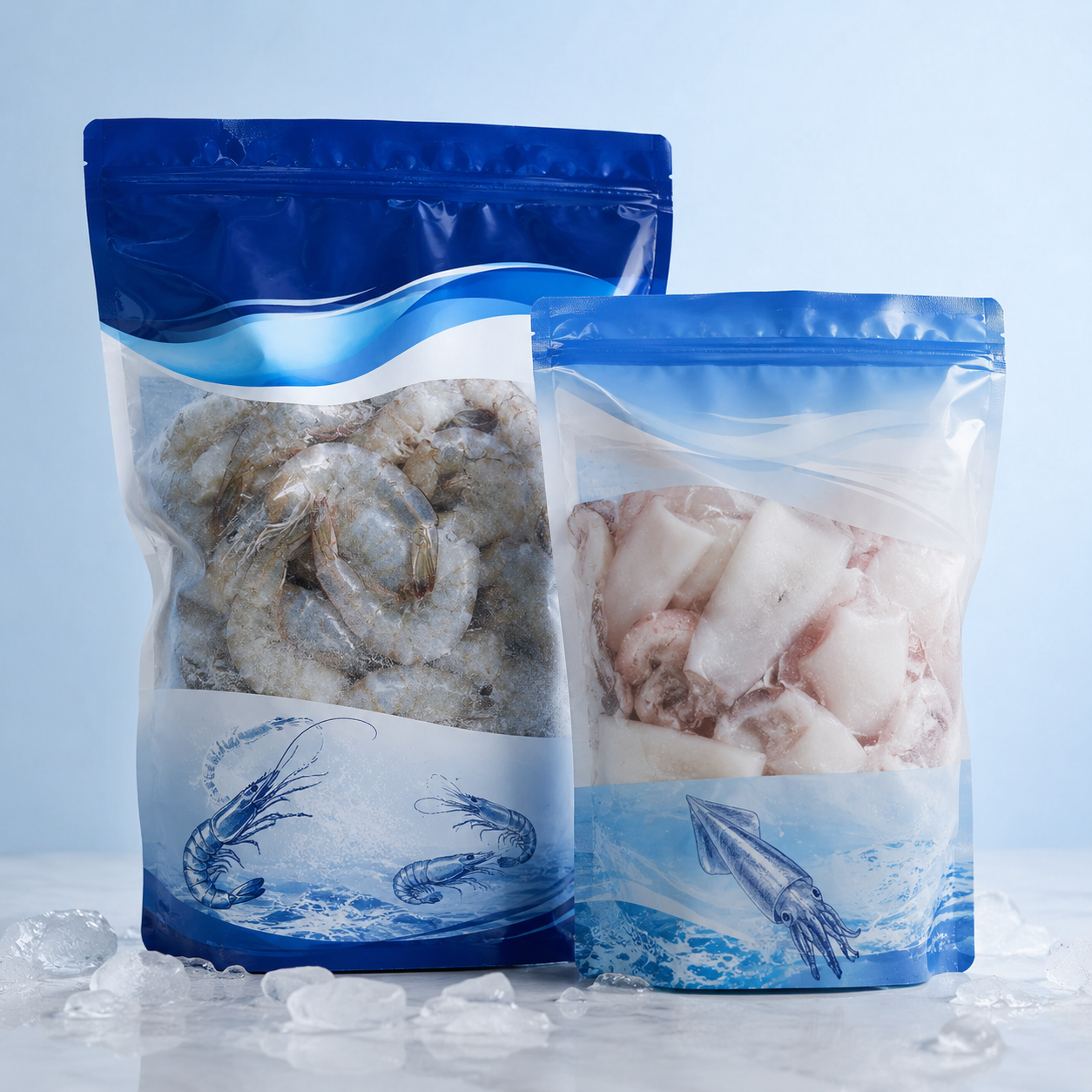 Heat-Sealed Packaging
For heat-sealed packs, we review the seafood, filling temperature, possible seal-area contamination, and storage conditions before suggesting a material direction.
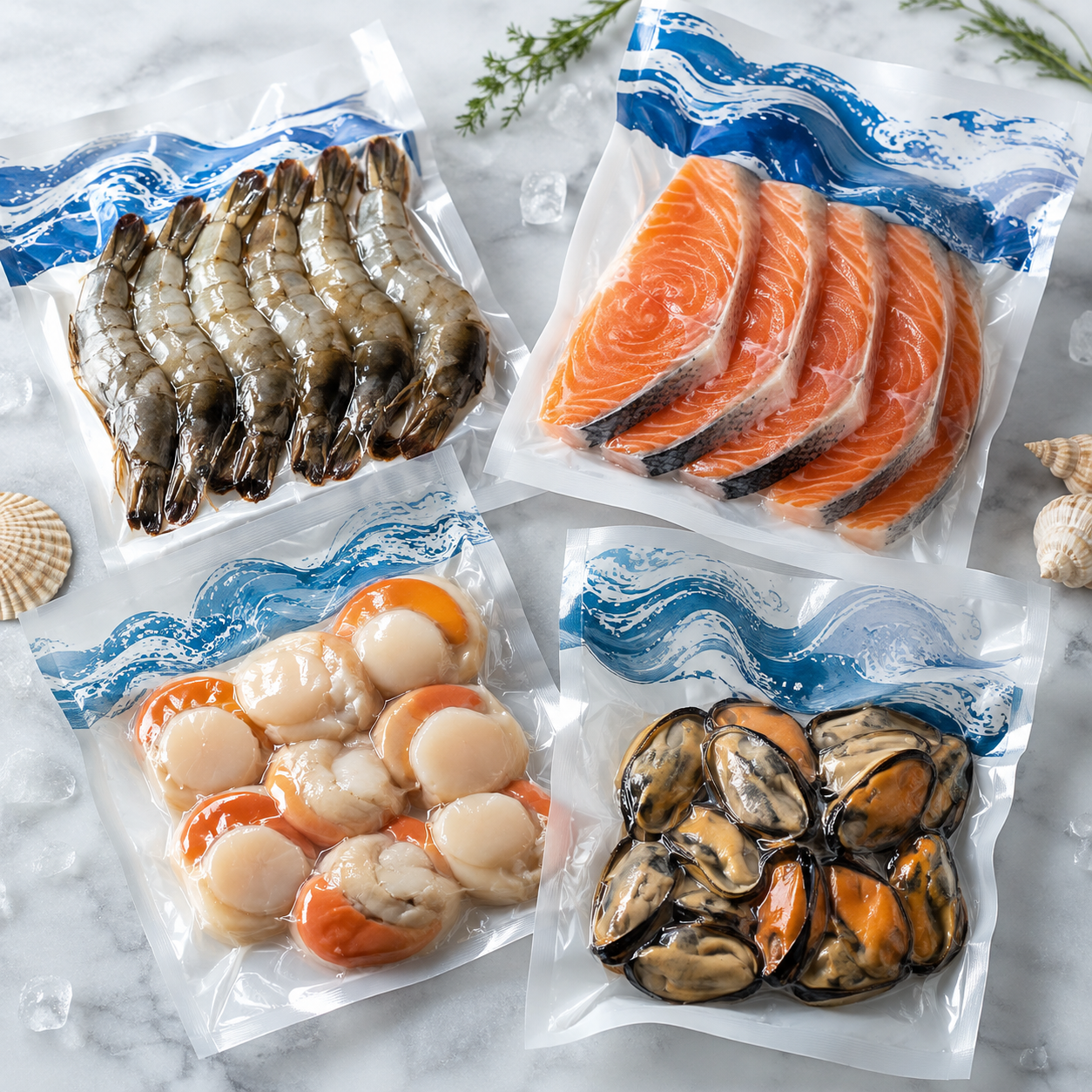 Vacuum Packaging
Vacuum packs need a close fit without putting too much stress on the seals. Product shape, sharp edges, equipment settings, and storage temperature guide the trial.
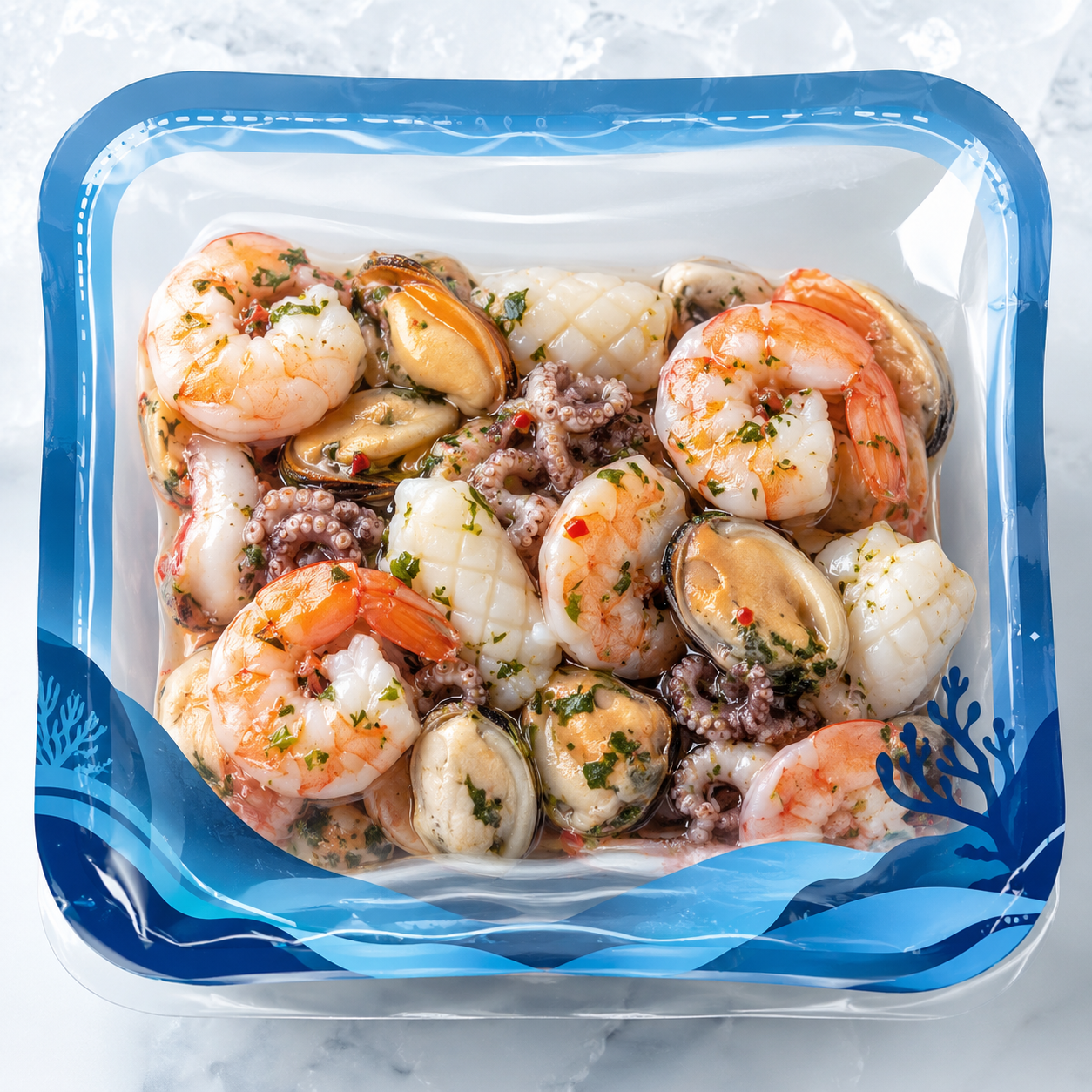 Modified Atmosphere Packaging (MAP)
MAP must be checked as a complete system. The gas mixture, residual oxygen, headspace, sealing process, sanitation, and cold chain all affect the result.
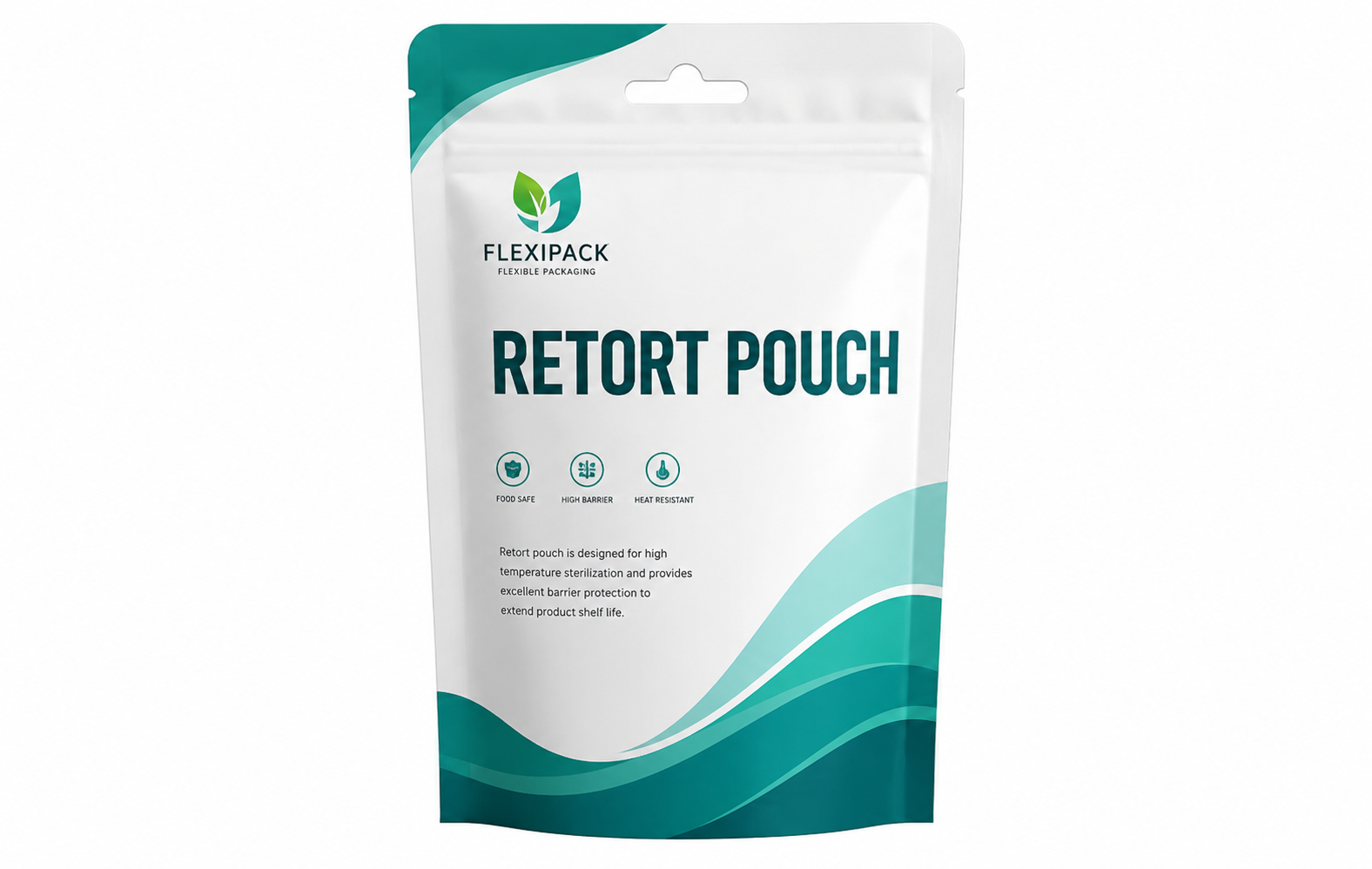
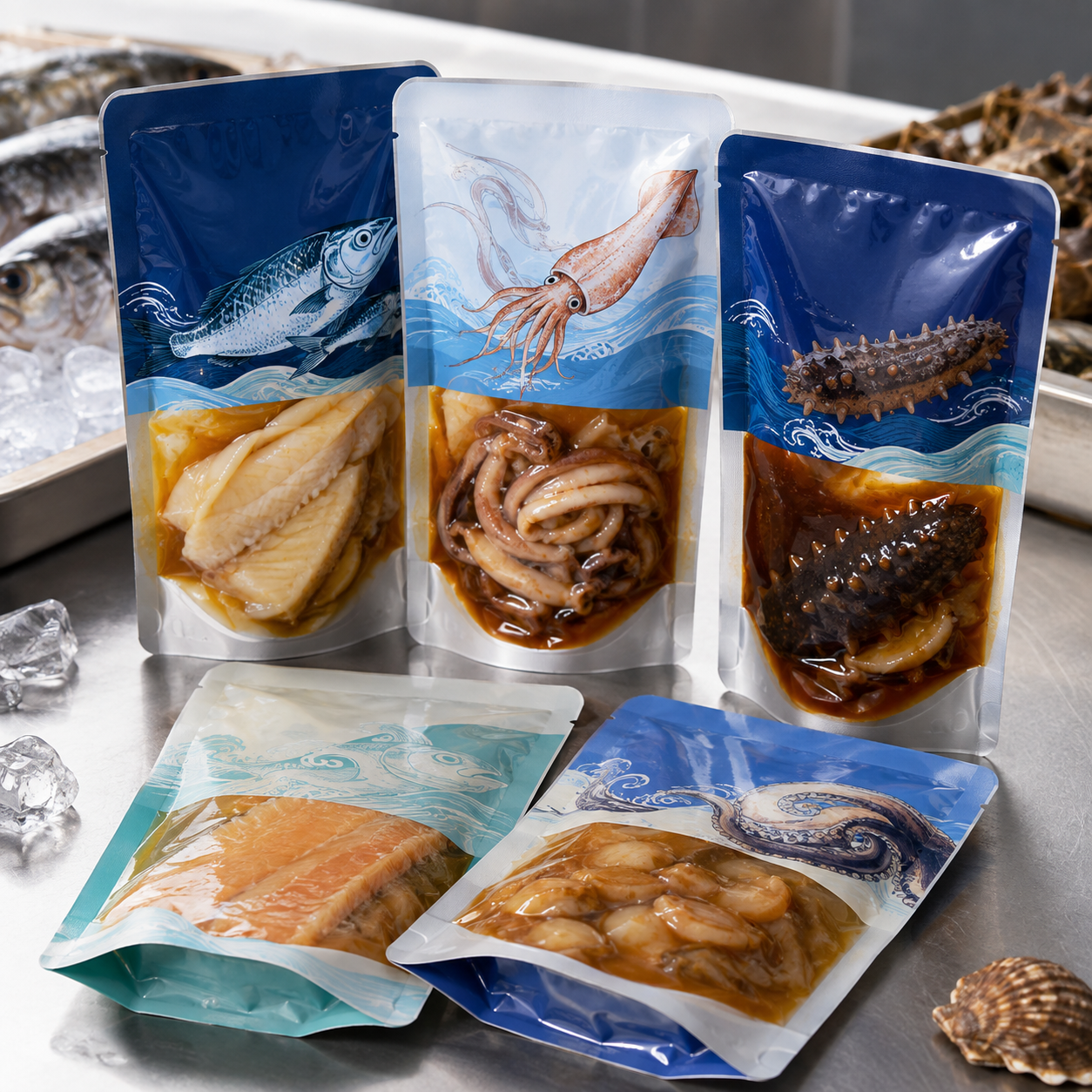 Retort Packaging
For seafood sealed before retort, we review the product, fill weight, sealing conditions, and retort cycle. The final structure must be confirmed under your actual processing conditions.
Custom Seafood Packaging for Your Process
Most projects do not start with a film code. They start with the seafood and the way it is packed. If you have a current pouch, rollstock specification, or failed sample, send it with your product details. For a new project, the information below gives us a practical place to start.

Share your product dimensions, fill weight, required headspace, and carton arrangement. Sharp shells, bones, fins, or frozen edges also need to be considered when setting the bag size, gusset, and seal position.

Tell us whether your seafood will be heat sealed, vacuum packed, gas flushed, frozen, chilled, or retorted. The process, storage conditions, transport route, and target shelf life help us narrow down a material structure and thickness for testing.

Provide your approved artwork, colour references, and preferred surface finish. We confirm the print layout, dimensions, and other converting details with you before production.

Zippers, tear notches, and hang holes can be reviewed around the way your customer opens, stores, and displays the pack. Their suitability still needs to be checked against your sealing and processing method.

For rollstock, share your machine model, web width, repeat length, eye-mark position, roll direction, and sealing settings. These details help prepare the first machine trial around your actual line.
Choosing the Right Barrier for Seafood Packaging
Your seafood does not always need the highest barrier. We use your product, process, storage conditions, and target shelf life to choose a practical structure for testing.
In one retort seafood snack project, a PA/RCPP pouch showed visible color change at around nine months. After switching to an EVOH-containing laminate, no unacceptable color change was observed through 12 months in agreed photo comparisons. Real-time and accelerated-aging checks were completed. Results are specific to this project.
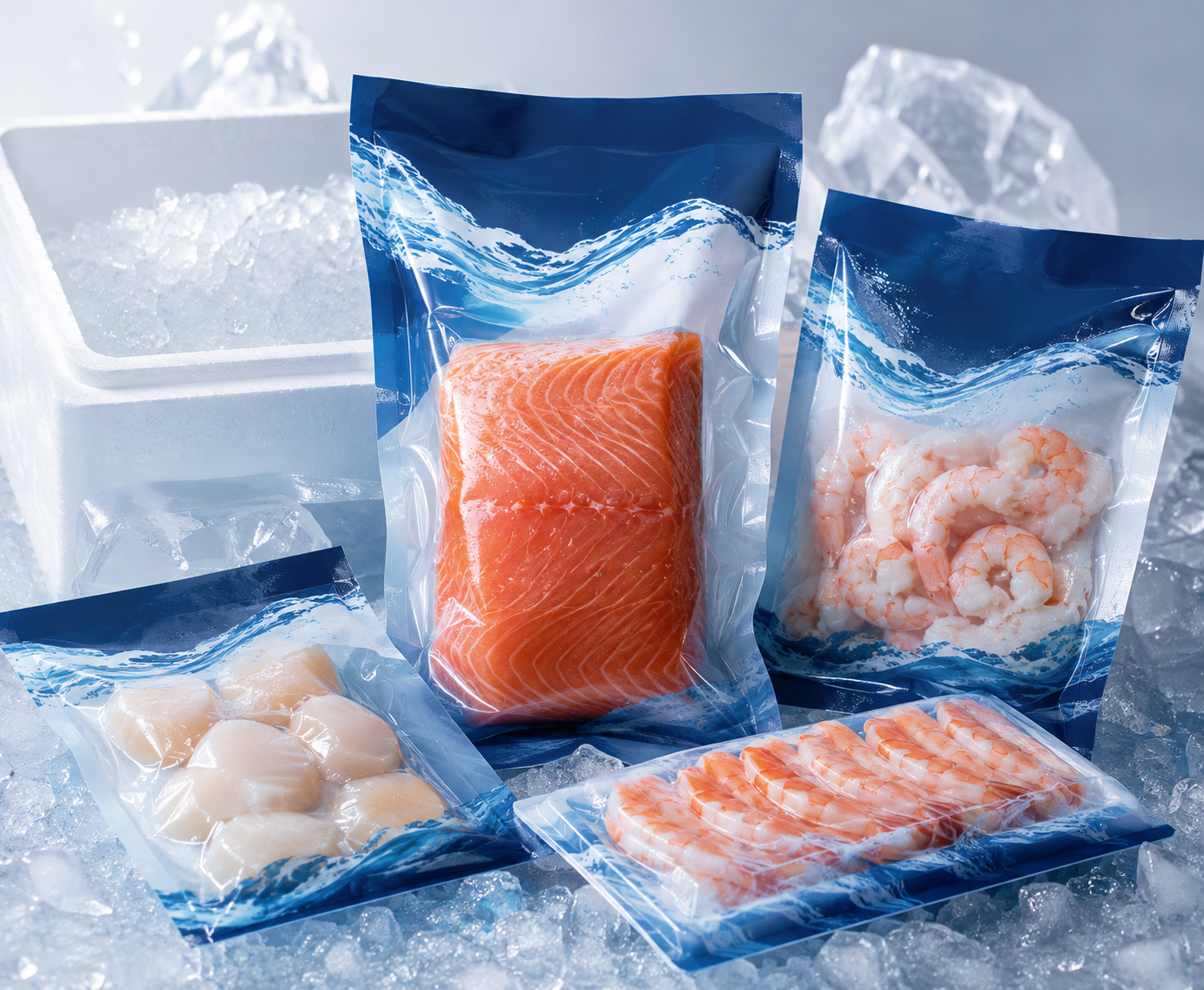
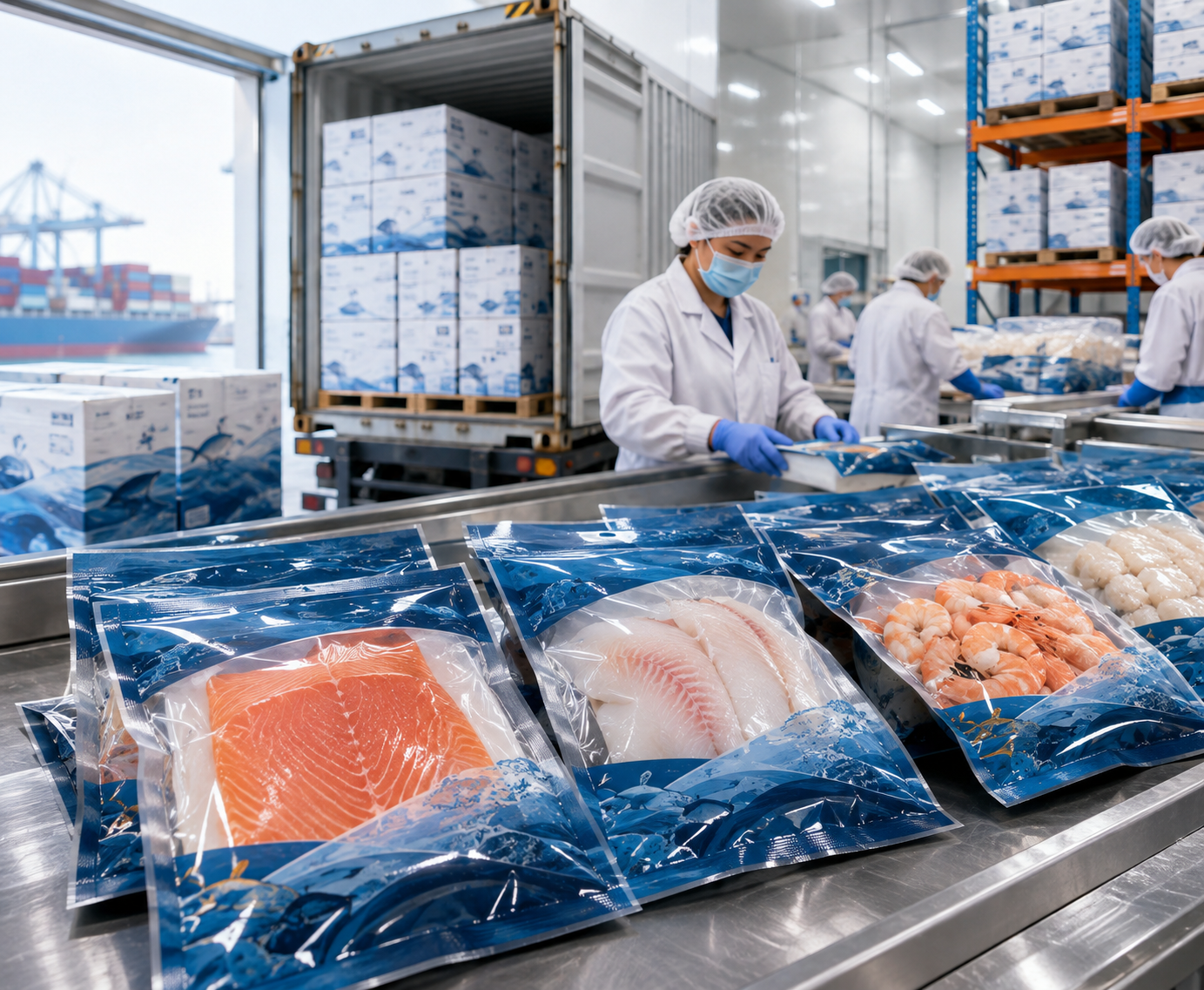
Keeping Your Seafood Packaging Consistent
For repeat orders, we work from the specification and sample you approve, including the material structure, dimensions, artwork, sealing details, and packing requirements.
During production, we check the material information, print appearance, bag dimensions, seal condition, finished-pouch appearance, and packing quantity against the approved reference. Before shipment, we carry out sampling inspections and keep inspection and batch records. Any change that may affect filling, sealing, storage, or appearance is confirmed with you before production.
Mono-Material Options for Your Packaging Goals
When a customer or retailer requests a mono-material pack, it still needs to suit your seafood, packing line, barrier target, and storage conditions. We compare it with your current structure before you approve new artwork or production.
This helps you respond to sustainability requests while checking performance first. Recyclability must still be verified against the exact structure and local recycling system.
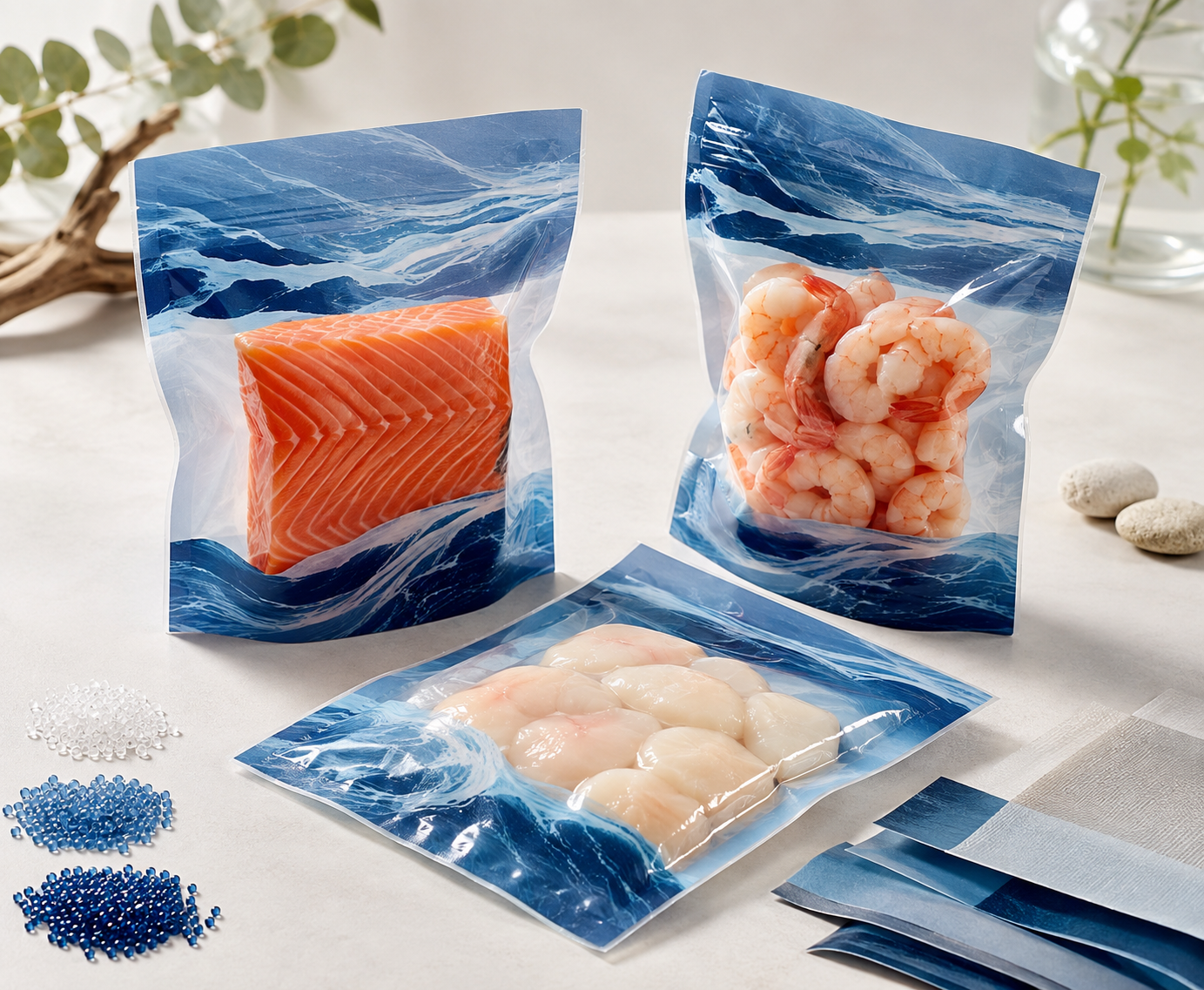
Choose Packaging for Your Seafood Application
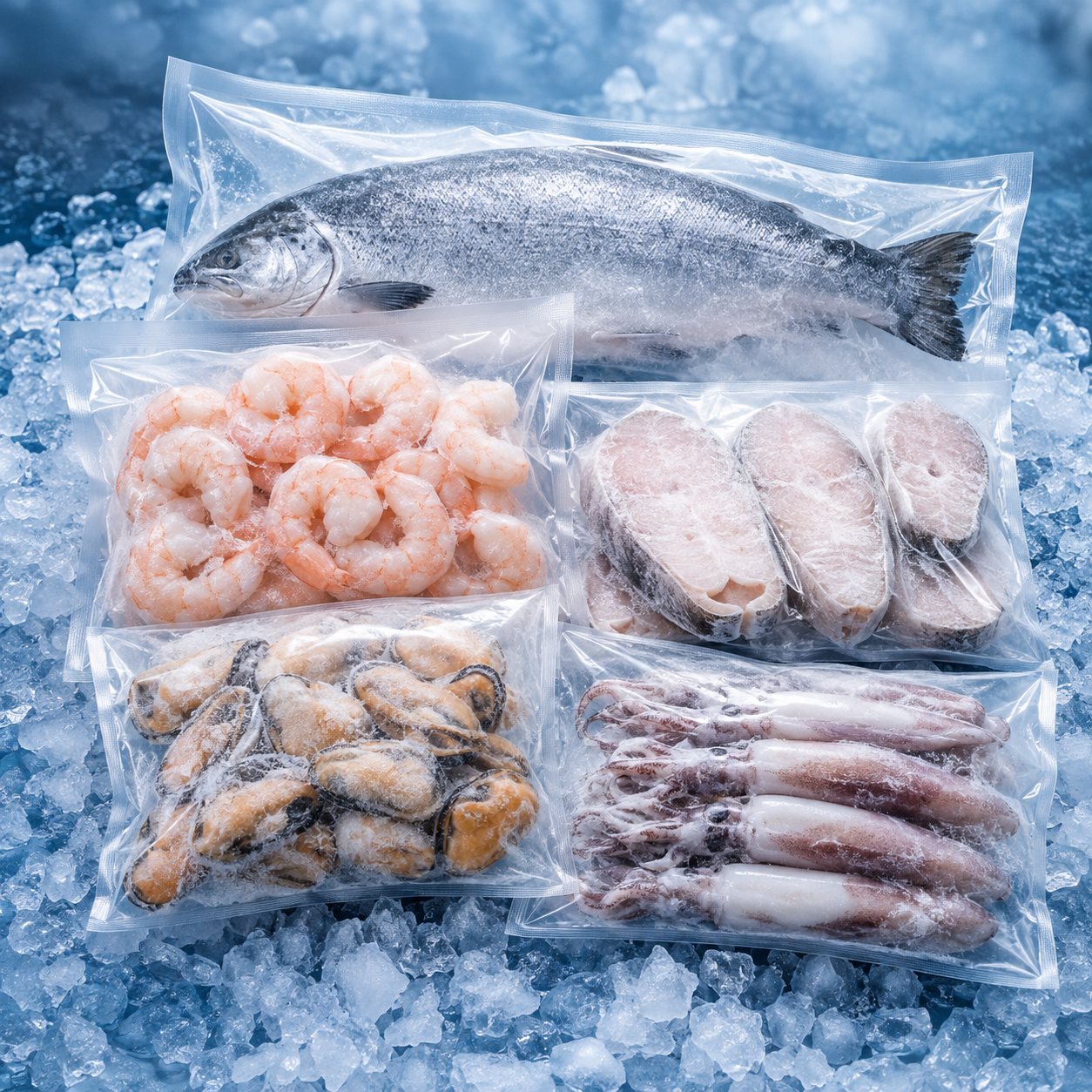
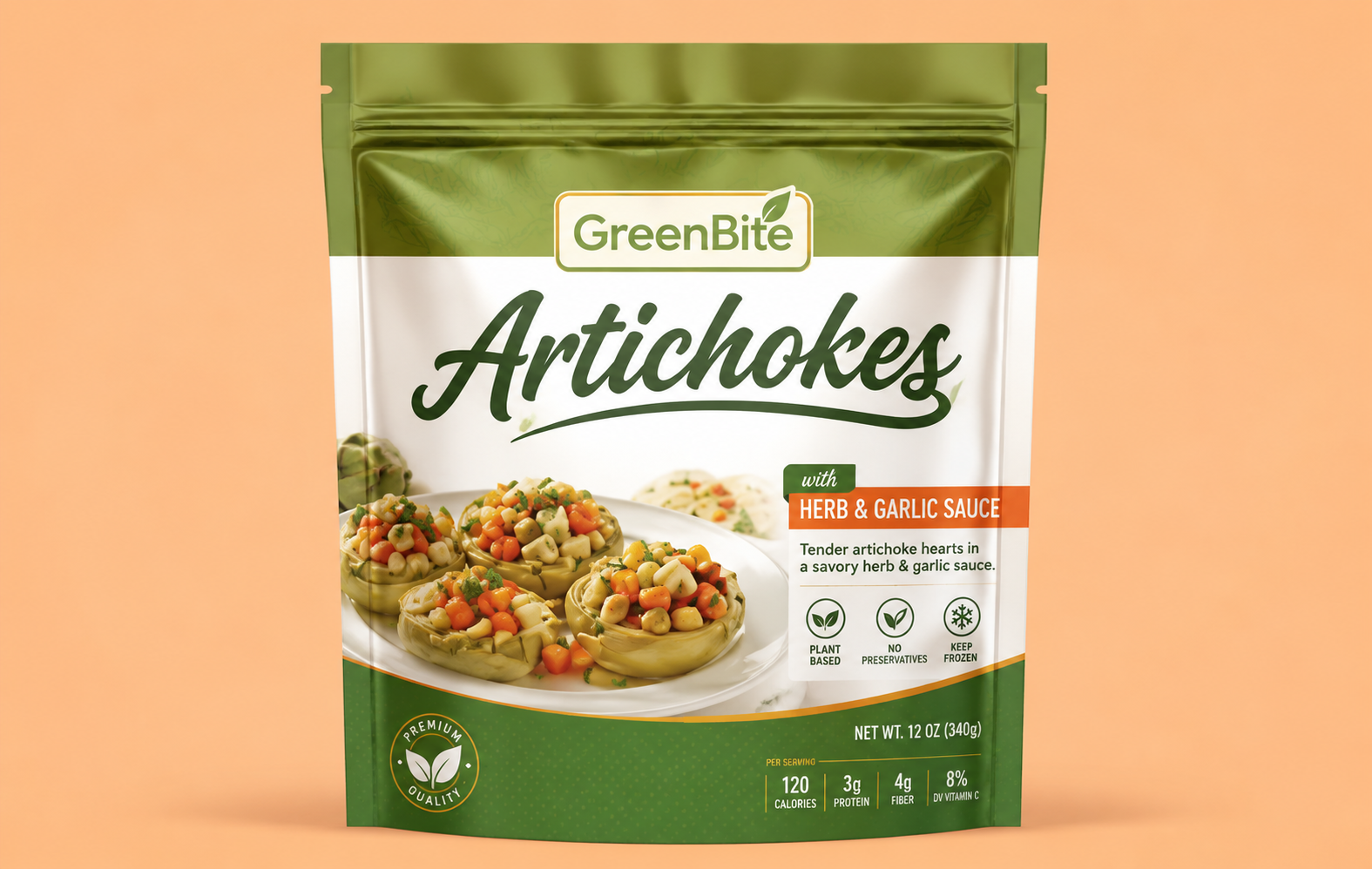
For frozen fish, shrimp, or shellfish, share the lowest storage temperature, fill weight, product shape, and carton arrangement. Shells, bones, fins, and frozen edges help determine the bag fit and the puncture, seal, and low-temperature checks required.
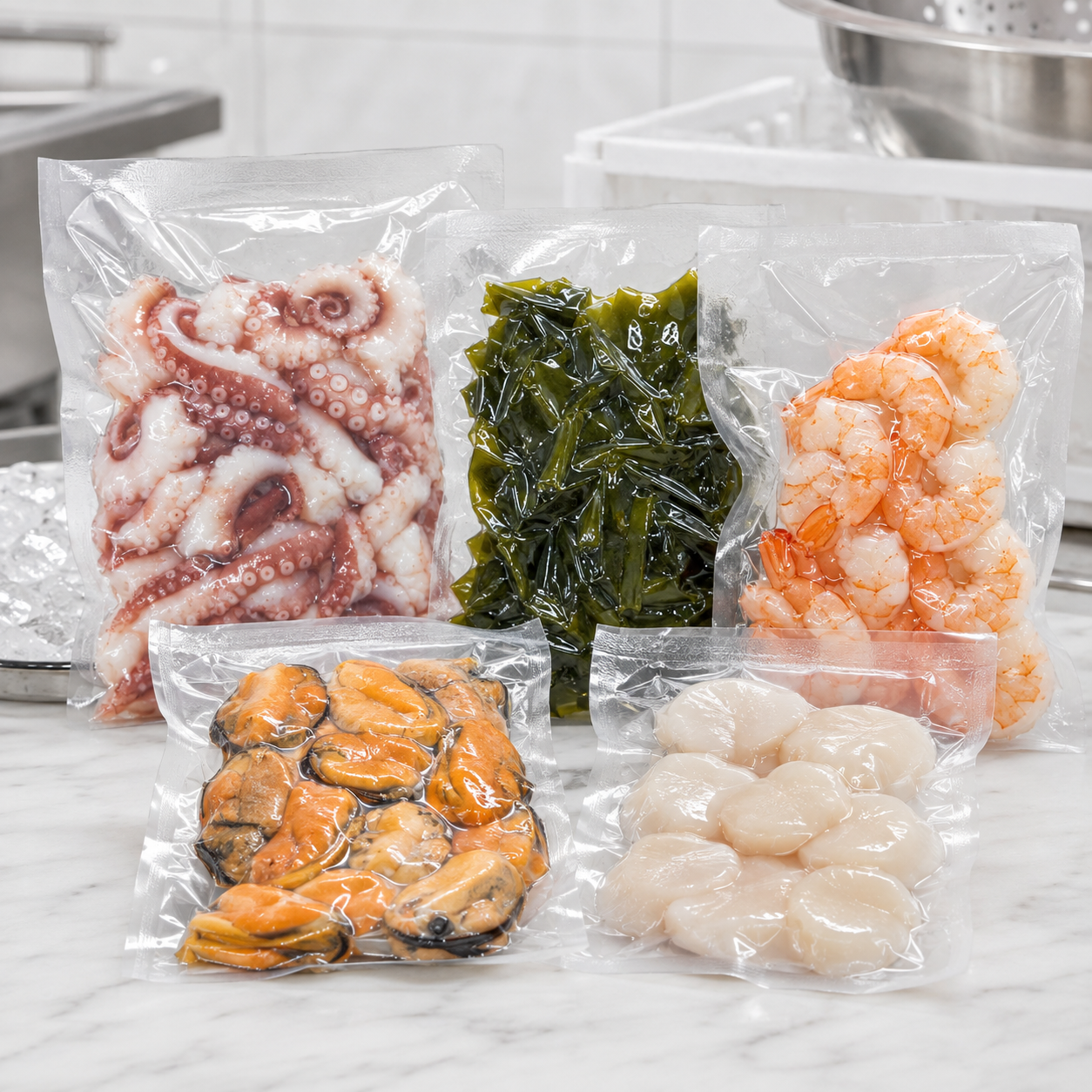
For cooked or ready-to-eat seafood, we review moisture and oil content, filling temperature, possible seal contamination, and storage conditions before suggesting a material direction.
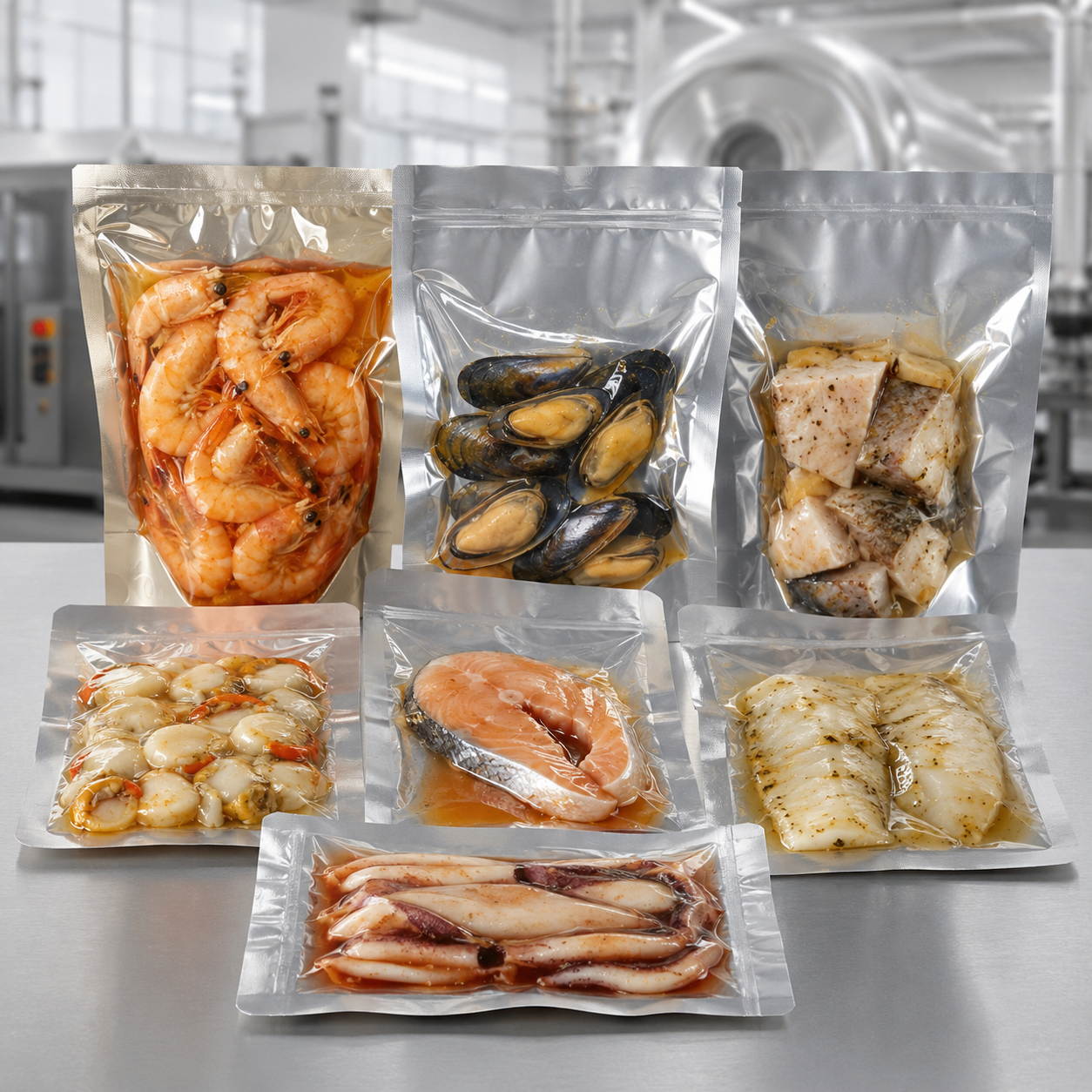
If the filled pouch goes through retort, provide the product formulation, fill weight, sealing conditions, and complete retort cycle. Confirm the final structure through testing under the intended processing and storage conditions.
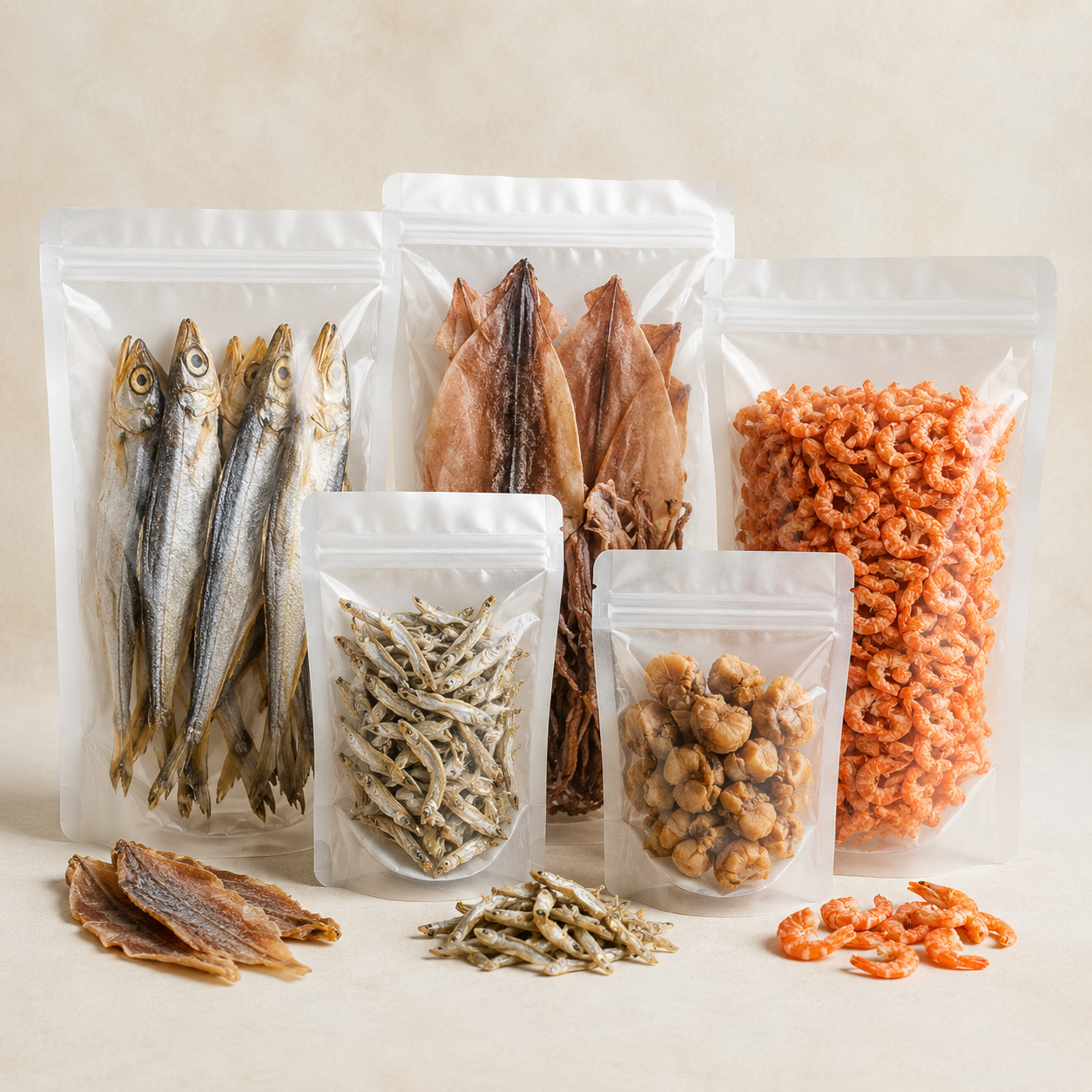
For dried fish, squid, shrimp, scallop, or seaweed snacks, share the moisture and oil content, closure requirements, storage conditions, and target shelf life. These factors determine whether moisture, oxygen, light, or resealing should guide the specification.
How We Evaluate Seafood Packaging Materials
No single material structure fits every seafood product. The options below are common starting directions, not fixed recommendations. Your final structure and thickness should be confirmed against the product, filling process, equipment, storage conditions, target market, and packaging tests.
| Material direction | What it may contribute | What you need to confirm |
| PET/PE | Printing and heat sealing in certain conventional applications | Filling temperature, sealing settings and storage conditions |
| PA/PE | Toughness and puncture resistance in some vacuum or frozen applications | Product shape, sharp contact points, vacuum process and minimum temperature |
| EVOH-containing laminate | Oxygen barrier when the product requires a higher-barrier direction | Product formulation, processing conditions, humidity, storage and shelf-life test |
| RCPP-containing laminate | A heat-seal layer used in certain retort structures | Complete laminate, seal conditions, retort cycle and storage test |
| PE-based mono-material | A direction for reducing material-family complexity | Barrier target, line fit, exact structure, target market and recycling assessment |
Start with the package fit, moisture barrier, seal integrity, headspace, and storage-temperature history. A suitable package cannot compensate for an incomplete seal or unstable freezing conditions. If freezer burn already occurs, send us the current structure, product details, temperature record, and failed samples for comparison.
Mark where the shell, bone, fin, or frozen edge touches the pouch and send us a photograph or failed sample. We review the bag fit, contact point, seal location, carton arrangement, and handling route before deciding whether the structure, thickness, or test method should change.
First define what changed: color, surface dryness, frost, purge, or texture. Compare the current and proposed package with the same product, temperature history, and inspection points. Take photographs under consistent conditions. Packaging may influence the result, but it is not the only factor.
Yes. Please provide the machine model, pouch or rollstock format, dimensions or web width, repeat length, eye-mark requirements, roll direction, fill weight, and sealing settings. The final specification should be confirmed through a machine trial before bulk production.
No shelf-life period can be confirmed from the product name alone. The result also depends on the formulation, processing and sanitation controls, vacuum or gas conditions, seals, storage temperature, distribution history, and test method. A shelf-life number should only be published after product-specific testing.